What to Document After Emergency Water Damage for a Clearer Restoration Process
How to Document Emergency Water Damage Before Restoration Begins
When water enters a home unexpectedly, the first priority is safety. After that, documentation can make the cleanup and restoration process easier to understand. Emergency water damage can affect floors, walls, ceilings, cabinets, belongings, and lower-level rooms quickly, so clear notes and photos help show what happened before areas are moved, dried, or cleaned.
For homeowners in Gaithersburg and nearby Mid Atlantic communities, water damage often follows heavy rain, sump pump problems, plumbing leaks, appliance overflows, or finished basement flooding. In those situations, it is easy to feel rushed. A simple documentation process helps you stay organized while a remediation contractor evaluates the damage and begins the next steps.
If water is spreading or materials are wet, contact ServicePros for emergency help, or learn more about our emergency water damage services.
Start With Safety Before Taking Photos
Before documenting anything, make sure the area is safe to enter. Avoid standing water near electrical outlets, appliances, extension cords, or breaker panels. If water is coming from a contaminated source, such as a sewage backup, do not walk through the affected area without professional guidance.
Once it is safe, take photos before moving items or starting cleanup. This does not need to be complicated. The goal is to capture the condition of the space as clearly as possible before water extraction, drying equipment, or material removal begins.
A good first set of photos can include:
· The source of the water, if visible
· Each affected room from several angles
· Wet flooring, walls, ceilings, cabinets, and trim
· Damaged belongings or stored items
· Any visible standing water, staining, or swelling
Record the Timeline of What Happened
A timeline helps connect the damage to the event. Write down when you first noticed the water, where it appeared, what may have caused it, and what steps were taken right away. This can be especially helpful when the damage started overnight, during a storm, or while no one was home.
For example, a homeowner in Gaithersburg may notice basement water after heavy rain, then realize the sump pump stopped working earlier in the evening. Another homeowner may find water under kitchen cabinets after a dishwasher leak. These details help ServicePros understand how long materials may have been wet and where hidden moisture may have traveled.
Your timeline does not need to be perfect. Even basic notes can support better water damage documentation and help the restoration team ask the right questions during evaluation.
Document Each Affected Room Separately
Water can move from one room to another before the full damage is visible. A hallway may look dry while water has already reached baseboards. A finished basement may have wet carpet in one area and damp drywall in another. Cabinets, closets, utility rooms, and storage areas can also hide moisture.
Document each affected room separately so the damage does not get blended together. Take wide photos first, then closer photos of specific materials. If possible, note which rooms had standing water, which rooms had damp materials, and which rooms only had odor or staining.
This approach helps a remediation contractor understand the full path of the water. It also supports better planning for emergency flooding services, cleanup, drying, and property restoration.
Save Communication and Service Details
Keep a simple record of who you contacted and when. This may include your plumber, restoration company, property manager, landlord, building maintenance team, or insurance representative. Save emails, text messages, call times, appointment notes, and any written instructions you receive.
Should you wait to call for help until all documentation is finished? No. If water is spreading, materials are wet, or the source is not controlled, emergency response should come first. You can continue documenting while help is on the way, as long as it is safe.
ServicePros can help inspect the affected areas, begin mitigation, and explain what information may be useful during the restoration process.
For urgent cleanup support, request help through our contact page.
Why Moisture Readings Matter After Visible Water Is Gone
Photos show what the damage looked like, but they do not always show what is still wet. Water can remain under flooring, behind baseboards, inside drywall, around cabinets, or beneath carpet padding after the surface appears dry. That is why professional evaluation is important.
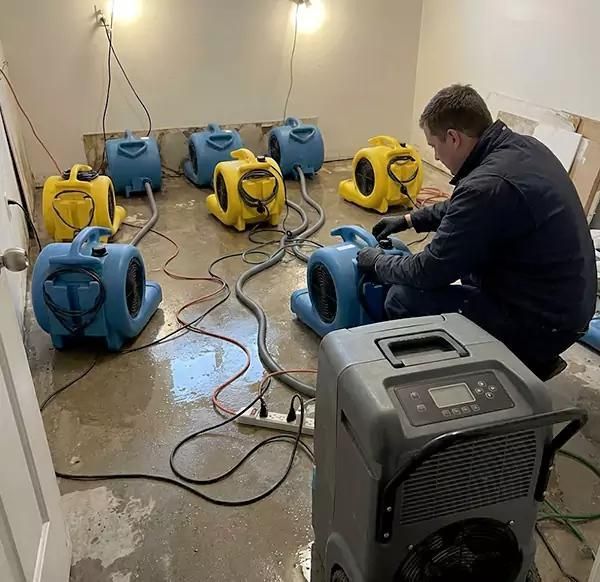
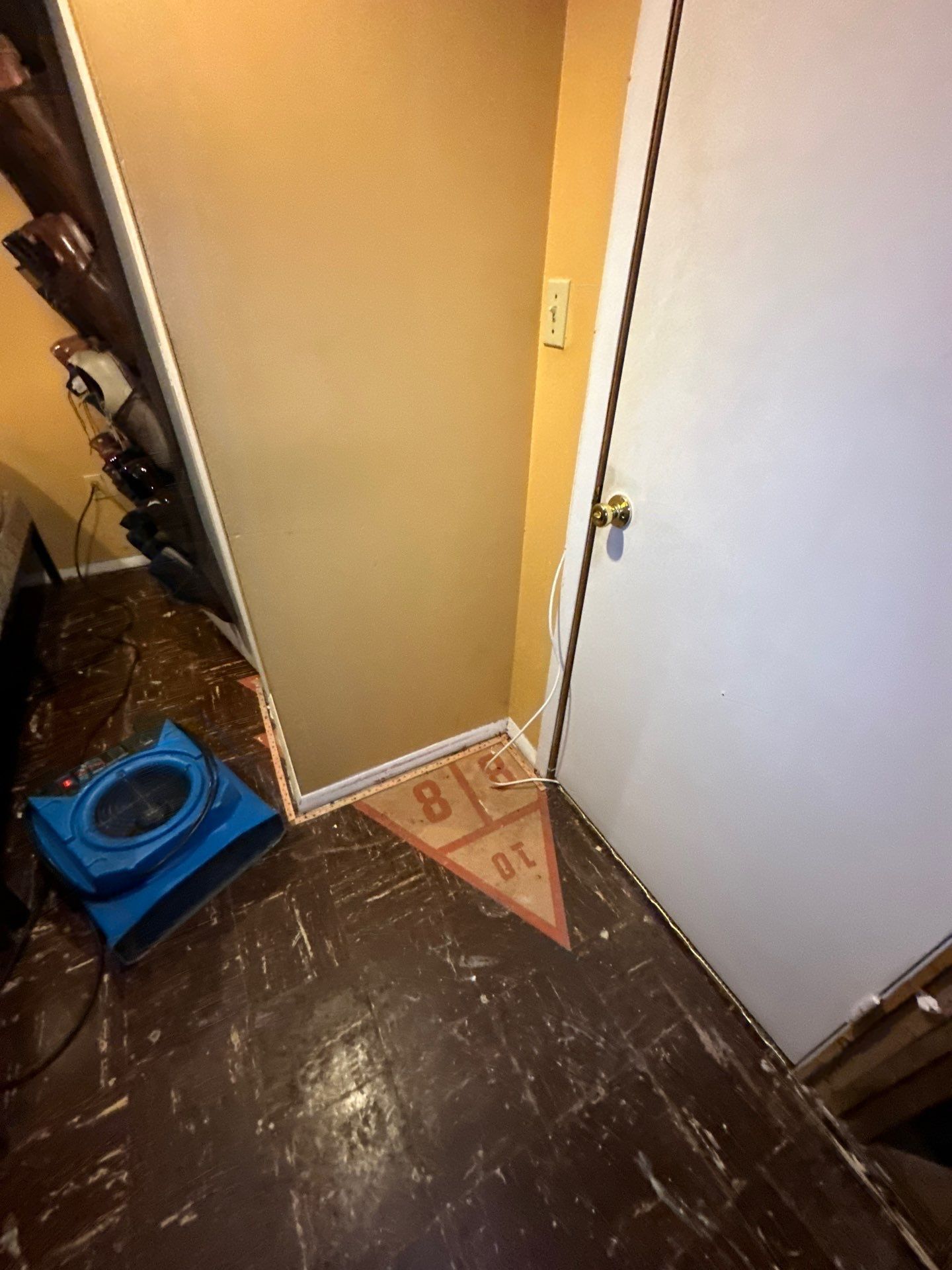
ServicePros may use moisture detection tools, drying equipment, and field observations to understand whether additional water mitigation or drying is needed. This step helps avoid guessing based only on what the room looks like.
If standing water or soaked materials are still present, the cleanup process usually needs to start with removal before drying can work properly. You can learn more about why fast water extraction matters before drying begins.
If your home needs cleanup after flooding, leaks, or wet building materials, learn more about our water damage restoration services.
Keep Documentation Practical and Organized
The best documentation is clear, simple, and easy to reference. You do not need a complicated system. A folder on your phone with photos, notes, service contacts, and dates can help you stay organized while the restoration process moves forward.
Avoid making promises or assumptions in your notes, such as deciding that a material is ruined or that a certain repair will be covered. Instead, focus on what you can observe: where the water was, what looked wet, what changed over time, and who you contacted.
ServicePros provides licensed and insured service, practical field evaluation, and labor warranties for added peace of mind. The team helps homeowners move from emergency water damage to cleanup, documentation, drying, and property restoration planning with a clearer process.