Fire Sprinkler Discharge and Water Damage: Coordinating Cleanup After the Emergency
Coordinating Commercial Restoration After Fire Sprinkler Discharge
When a fire sprinkler system activates, the immediate goal is life safety and fire control. But once the emergency is contained, property owners and managers are often left with another urgent problem: water damage. Sprinkler discharge can soak ceilings, flooring, walls, inventory, tenant spaces, office areas, and shared corridors in a very short time.
For commercial and multifamily properties in Gaithersburg and the wider Mid Atlantic region, this kind of event can be especially disruptive. Local buildings often include finished tenant areas, shared mechanical systems, offices, retail spaces, storage rooms, and occupied units that need quick coordination after the emergency.
Commercial restoration helps organize the cleanup, drying, documentation, and next steps so the property can move toward safe use again.

Why Sprinkler Discharge Creates Two Cleanup Priorities
After a fire sprinkler system activates, the property may need both fire-related cleanup and water damage response. Even if flames were contained quickly, water can continue spreading through flooring, walls, ceilings, stairwells, elevator areas, utility spaces, and neighboring units.
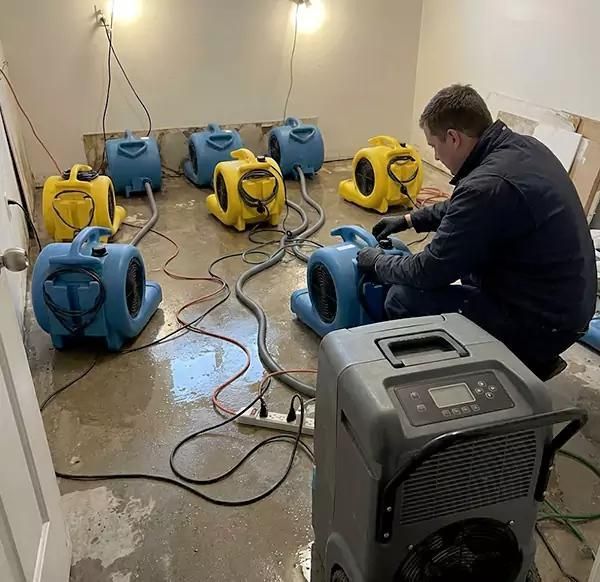
The first cleanup priority is addressing any fire, smoke, soot, or debris concerns. The second is water remediation, which focuses on removing water, checking moisture movement, drying affected materials, and reducing the chance of secondary problems. A remediation company can help property owners understand which areas need immediate attention and which areas may need monitoring before repairs begin.
For water-related cleanup after sprinkler discharge, learn more about our water damage restoration services.
Commercial and Multifamily Properties Need Fast Coordination
Sprinkler discharge in a commercial or multifamily building rarely affects just one room. Water may move from the original fire area into hallways, adjacent offices, retail spaces, apartment units, storage areas, or lower floors. This can create tenant complaints, business interruption, access concerns, and pressure to reopen spaces quickly.
In Gaithersburg and surrounding service areas, many properties combine office suites, retail areas, shared corridors, and utility spaces. When water moves through those connected areas, cleanup needs to be organized carefully. Property managers may need to communicate with tenants, document affected rooms, coordinate access, and decide which spaces should remain restricted.
ServicePros helps evaluate the visible damage, moisture concerns, and practical recovery steps so the cleanup process does not rely on guesswork.
Water Can Travel Beyond the Fire Area
One of the biggest challenges after sprinkler discharge is that water may travel farther than expected. A sprinkler head may release water in one suite, but moisture can move under flooring, through wall cavities, into ceiling systems, around baseboards, and into lower levels.
Can a space look dry while still holding moisture? Yes. Surface water may be removed while dampness remains under carpet, behind drywall, above ceiling tiles, or around built-in materials. That hidden moisture can lead to odors, staining, material damage, or mold concerns if it is not found early.
This is why emergency restoration should include moisture checks, not only visible cleanup. The goal is to understand the full path of the water before repairs or reopening decisions are made.
Fire Damage Cleanup and Water Remediation Should Work Together
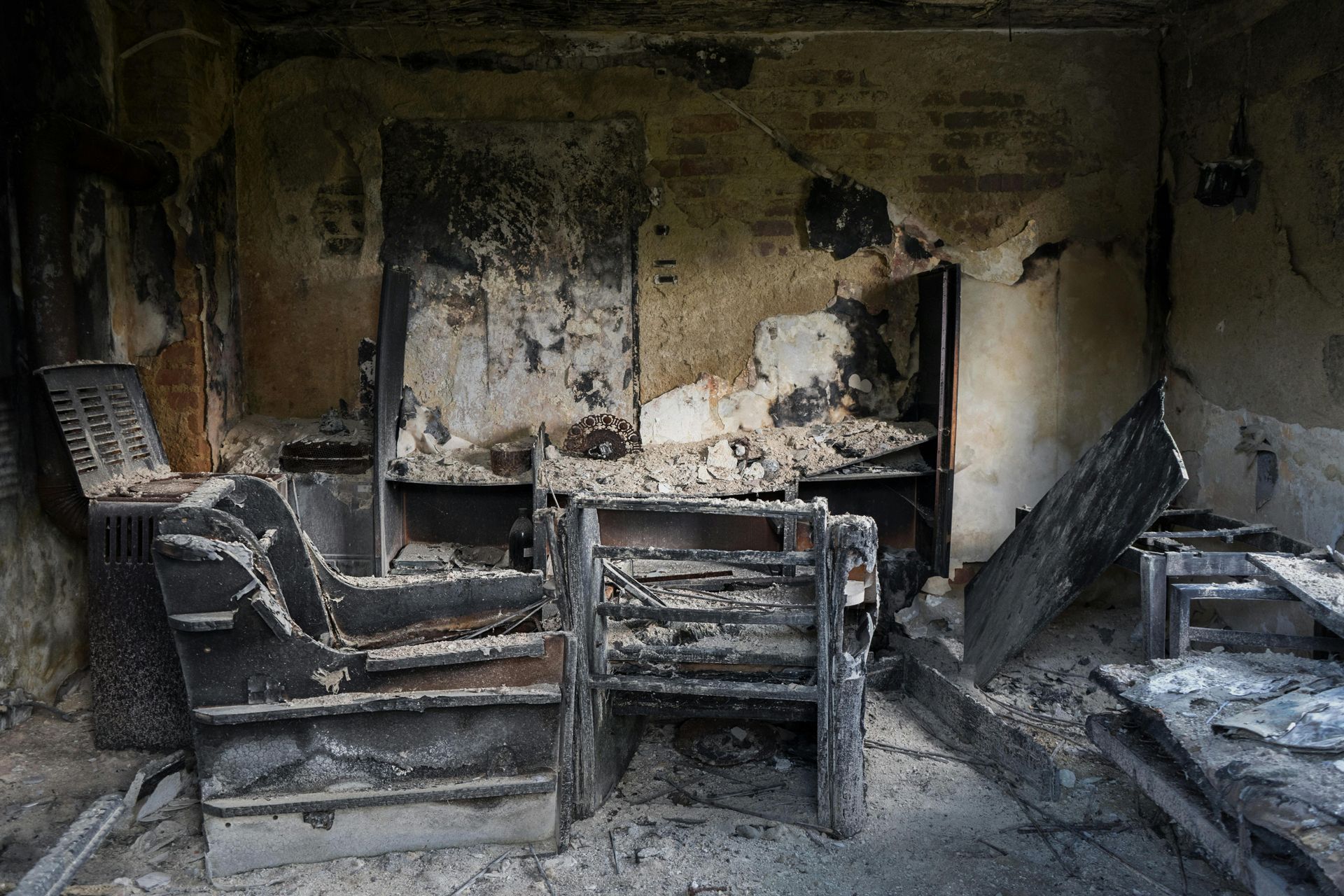
Fire damage cleanup and water remediation often overlap after sprinkler discharge. Smoke residue, soot, debris, and wet materials may be present in the same areas. If cleanup is handled out of order, important issues can be missed.
For example, wet ceiling tiles may need removal before drying can continue. Smoke odor may be present in areas that also need dehumidification. Flooring may need water extraction before structural drying can begin. A remediation company can help coordinate these steps so the property is not cleaned on the surface while moisture remains hidden behind materials.
If smoke, soot, or fire-related residue is also present, ServicePros can help connect fire cleanup with the water damage response instead of treating them as separate problems.
Documentation Helps the Restoration Process Stay Clear
After sprinkler discharge, documentation can help property owners and managers stay organized. Photos, affected room notes, tenant communication, timelines, service records, and moisture findings can all support a clearer restoration process.
This does not mean making promises about insurance coverage or assuming which materials must be replaced. It means documenting what is visible, what areas were affected, what steps were taken, and what conditions still need evaluation.
Property managers should document:
· Where the sprinkler discharge occurred
· Which rooms, units, or tenant spaces were affected
· Visible water, soot, smoke residue, or debris
· Communications with tenants, maintenance teams, and emergency responders
· Cleanup, drying, and inspection steps taken after the event
Clear documentation also helps the restoration team understand what happened before equipment is placed, materials are moved, or access restrictions change.
How Commercial Restoration Supports Safer Recovery
Commercial restoration after sprinkler discharge should focus on safety, moisture control, cleanup sequencing, and communication. ServicePros can help inspect affected areas, remove water, evaluate moisture, support fire damage cleanup, recommend drying steps, and guide property owners toward the next phase of property recovery.
The goal is not to rush into repairs before the building is ready. It is to stabilize the affected areas, reduce disruption, and help commercial or multifamily spaces move forward with a clearer plan.
For business properties, tenant spaces, and multifamily buildings that need coordinated support, learn more about our commercial restoration services.