Comparing options for emergency water damage restoration in Washington, DC
After water enters a property, restoration decisions should not be based only on what looks wet. Moisture can move beneath flooring, behind walls, above ceilings, and through connected building materials.
The appropriate response may involve drying materials in place, removing only affected sections, or replacing components that cannot be safely or effectively restored. These are not standard packages for the property owner to select without an assessment. They are professional approaches chosen according to the water source, material condition, moisture movement, and building layout.
ServicePros provides emergency water damage restoration in Washington, DC for residential and commercial properties requiring rapid evaluation and a condition-based recovery plan.
The first comparison is not equipment versus equipment
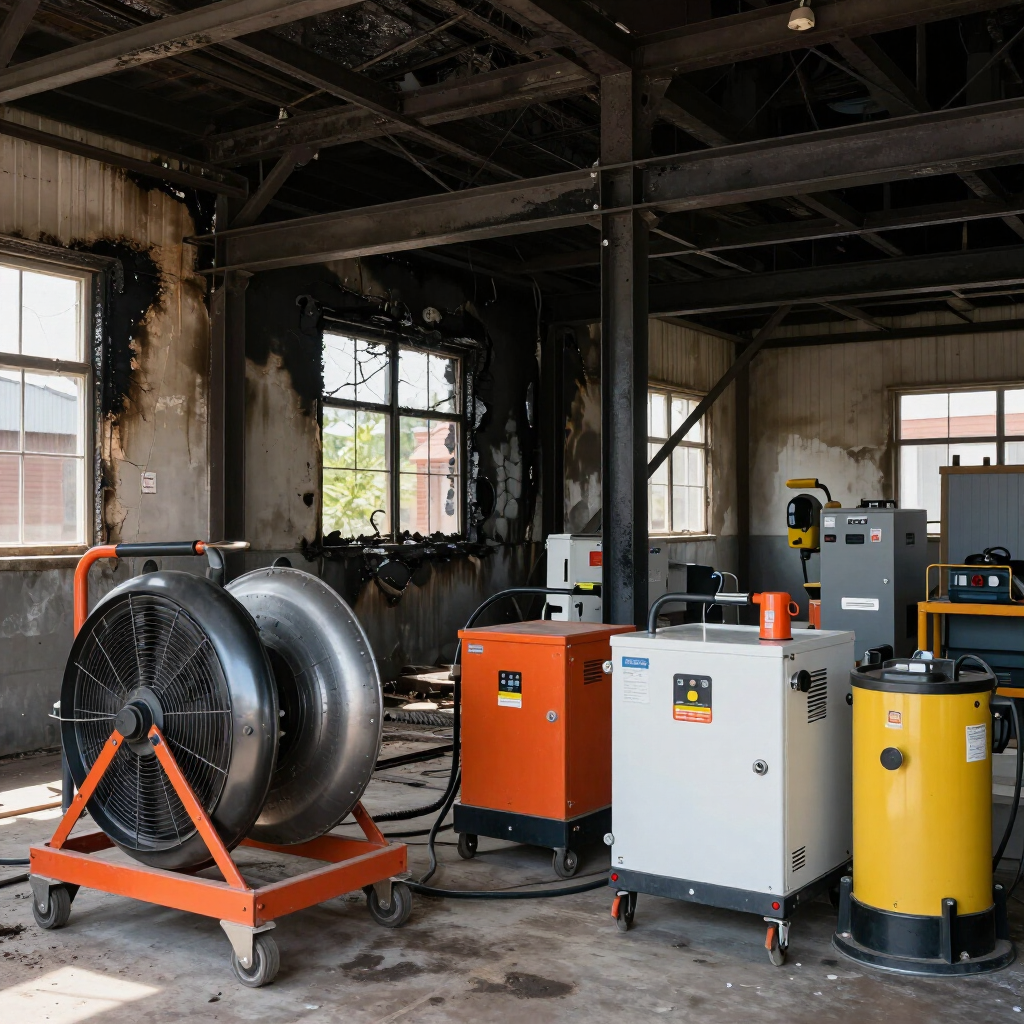
Air movers, dehumidifiers, extraction equipment, moisture meters, and other tools serve different purposes. Using more equipment does not automatically produce a better result.
The restoration team must first determine where the water traveled, which materials are affected, and whether contamination or safety concerns change the response. Equipment can then be selected and positioned according to the drying objective.
The main restoration decisions typically fall into three categories:
- Drying suitable materials in place
- Selectively removing affected components to reach concealed moisture
- Replacing materials that cannot be appropriately restored
A single property may require all three approaches in different rooms.

Has water entered your Washington, DC home or commercial property?
Request immediate water damage assistance from ServicePros so the affected materials and concealed areas can be evaluated.
When can materials be dried in place?
Drying in place may be considered when materials remain structurally sound, the water source does not create unacceptable contamination concerns, and moisture can be effectively removed and monitored.
This approach can reduce unnecessary demolition, protect unaffected finishes, and shorten the transition into repairs. However, preserving a material is appropriate only when its condition and location allow adequate drying.
A painted wall may appear intact while insulation or framing behind it remains wet. Flooring may feel dry on the surface while moisture is trapped underneath. For this reason, visual appearance alone cannot confirm that drying in place is working.
ServicePros’ water damage restoration services include moisture detection, extraction, structural drying, cleaning, monitoring, and repair coordination.
When is selective removal the better approach?
Selective removal creates access to areas that cannot otherwise be inspected, cleaned, or dried effectively.
Instead of removing an entire wall, ceiling, or floor automatically, the restoration plan may target the sections directly affected by water. This can expose wet insulation, wall cavities, subflooring, framing, or trapped debris while preserving suitable surrounding materials.
The boundaries should be based on moisture conditions and the construction of the assembly—not on an arbitrary distance from the visible stain.
Selective removal may expand if the opened area reveals additional moisture, contamination, deterioration, or mold growth. The contractor should document the new conditions and explain any scope change before proceeding whenever circumstances allow.
When does replacement become necessary?
Replacement may be recommended when a material has lost its structural stability, cannot be effectively cleaned, remains inaccessible for drying, or has been exposed to conditions that make restoration inappropriate.
Porous materials generally absorb water differently from solid, nonporous surfaces. Insulation, drywall, carpet padding, engineered wood products, and some cabinet components can retain moisture or change shape after saturation.
Replacement decisions should still be material-specific. One damaged component does not automatically mean every finish in the room must be removed.
The proposal should identify what is being replaced, why restoration is not recommended, and whether adjoining materials must be disturbed to complete the work.
Flooring systems require more than a surface comparison
Carpet, hardwood, laminate, luxury vinyl, tile, adhesives, padding, and subflooring respond differently to water. The visible floor covering is only one part of the system.
For example, a surface may remain in place while the material beneath it requires drying. In other situations, the floor covering may need to be lifted or removed to reach trapped moisture.
The decision depends on the water source, duration of exposure, installation method, dimensional changes, condition of the subfloor, and ability to monitor drying.
Comparing flooring options after damage therefore means evaluating the complete assembly rather than choosing between extraction and replacement based only on appearance.
Walls, ceilings, and insulation must be evaluated together
Drywall may sometimes remain suitable for drying, but the cavity behind it can change the plan. Wet insulation may restrict airflow, and water can collect around bottom plates, electrical penetrations, or enclosed structural components.
Ceiling damage also requires caution because saturated materials can become unstable. Staining does not reveal how much water remains above the finished surface.
Moisture readings and controlled access help determine whether the assembly can remain, requires selective opening, or should be replaced.
Repairs should not close the area until the relevant materials have been cleaned, dried, and reviewed for reconstruction.
The water source can override material preferences
A property owner may prefer to preserve flooring, drywall, or cabinetry, but the water source and contamination conditions can limit the available options.
Water from a supply-line failure does not present the same conditions as a sewage backup, floodwater, or water that passed through contaminated materials. The time elapsed before discovery can also affect the recommended response.
The restoration provider should explain how the source influences containment, cleaning, material handling, and disposal decisions.
This is why an emergency assessment should occur before cosmetic repairs or ordinary cleaning begins.
Mold concerns can change the recovery plan
Mold may become part of the project when materials remain damp, water damage is discovered late, or previous moisture problems were never fully addressed.
The presence of suspected mold does not mean every material must be discarded. It does mean the work plan may require containment, controlled removal, cleaning, and moisture-source correction beyond ordinary structural drying.
ServicePros provides professional mold remediation when water and mold conditions overlap. Coordinating these services helps prevent reconstruction from covering unresolved moisture or affected materials.
Compare restoration proposals by their reasoning
A useful proposal should do more than list equipment and estimated labor. It should connect the recommended work to the affected materials and documented conditions.
Before authorizing the scope, confirm which areas will be dried, selectively opened, cleaned, removed, monitored, and repaired. Ask how progress will be measured and how newly discovered conditions will be communicated.
ServicePros evaluates water movement, material condition, contamination concerns, access, and repair requirements before recommending a restoration approach.
Contact ServicePros for emergency water damage restoration
Related water damage resources