Why Water Damage and Mold Remediation Often Require One Coordinated Scope
The leak has stopped, but the room is still unfinished. A section of drywall has been removed, the flooring needs evaluation, and suspected mold has raised another concern. Before repairs begin, you need to understand which problems have been addressed and what still requires attention.
Water damage and mold remediation can affect the same building materials while requiring different work. When those conditions overlap, a coordinated restoration scope helps connect the assessment, cleanup, drying, and repair decisions.
ServicePros Cleaning & Restoration provides water damage restoration, mold remediation, and reconstruction services. Understanding how these stages fit together can help homeowners follow the recovery process without having to piece together separate explanations from each phase.
Start by Establishing Which Problems Are Actually Present
Water damage does not automatically mean a property needs mold remediation. The assessment should determine the moisture conditions, affected materials, and whether mold-related work belongs in the project.
Likewise, visible growth does not explain where the moisture originated or whether that source has been corrected. Repairing a plumbing leak may stop new water from entering while leaving wet materials that still need attention.
The EPA explains that addressing mold also requires correcting the water problem. Cleanup alone may not resolve the situation when the moisture conditions remain.
A coordinated plan connects these findings. It should explain what is known, what requires further evaluation, and why each proposed service is relevant to the property.
Make Responsibilities Clear Before Work Changes Hands
A proposal can list water mitigation, mold cleanup, and repairs without explaining how those activities will connect. Homeowners need to understand who handles each responsibility and which decisions depend on another task being completed.
For example, a plumber may need to correct a leak while the restoration team addresses affected materials. The scope should clarify who arranges that repair and what information must be shared before the next stage proceeds.
Ask practical questions such as:
- Who is responsible for correcting the moisture source?
- Which areas need structural drying?
- Is mold containment or controlled material removal included?
- Who explains changes to the homeowner?
- Who determines when the affected area is ready for repairs?
Even when one company handles several stages, the responsibilities should remain identifiable. Clear coordination gives everyone a shared understanding of the work ahead.
Material Findings Guide Both Cleanup and Repairs
The same wall, floor, or cabinet may be evaluated during the water damage response and again during mold remediation. Those findings should inform a common plan.
The scope should distinguish materials intended to remain from those recommended for removal. If professionals need to open a wall to reach affected areas, the repair plan should account for that opening and any additional findings.
The EPA’s mold cleanup guidance notes that moldy porous materials may need disposal because complete cleaning can be difficult or impossible. Decisions still depend on the material and the conditions identified.
ServicePros’ mold remediation services include evaluating affected areas, planning containment, cleaning, removing materials when necessary, and coordinating repairs. Connecting these activities with the water damage findings helps explain what can remain and what needs to be rebuilt.
Update the Scope When Concealed Conditions Become Visible
An initial assessment may leave questions that can only be answered once professionals gain appropriate access. Additional moisture, deterioration, or affected materials may change the recommended work.
A coordinated restoration scope should establish how those discoveries will be documented and communicated. Ask how the team explains revised recommendations, identifies cost or schedule implications, and obtains authorization for changes.
Consider a cabinet removed during cleanup. Findings behind it could affect remediation boundaries, the drying approach, and the eventual cabinet repair. Those decisions should be reviewed together.
The EPA’s remediation planning checklist emphasizes adapting the plan to the situation and applying professional judgment. A changing scope can remain understandable when the reasons and next steps are clear.
Coordinate Drying With the Remediation Work Area
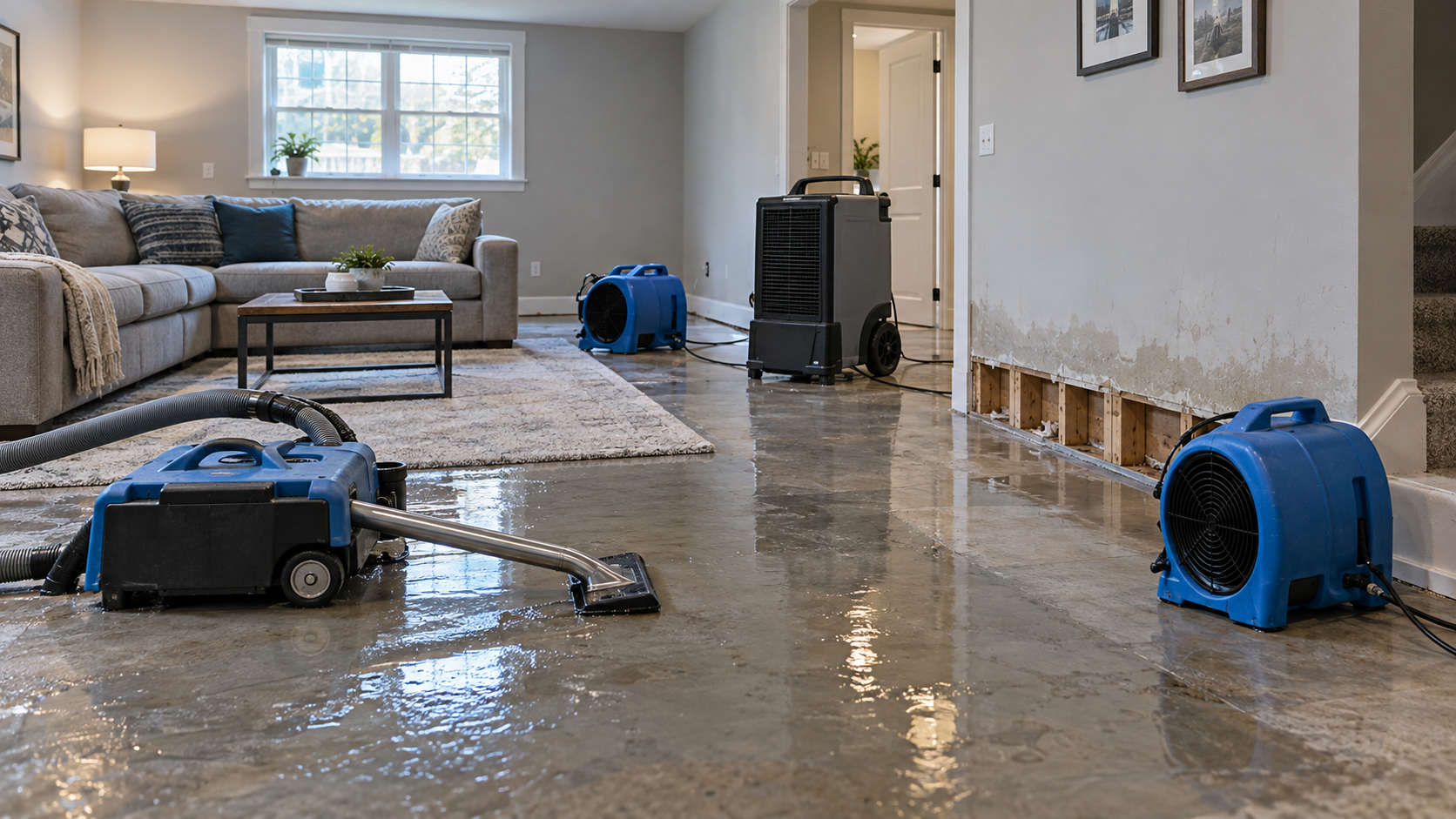
Water removal, structural drying, containment, cleaning, and material removal serve different purposes. Their arrangement and sequence should reflect the conditions at the property.
If mold is suspected or confirmed, tell the restoration team before moving equipment or disturbing materials. Professionals should determine how drying and remediation activities will operate within the affected area.
Homeowners should also receive clear instructions about access. Ask which rooms remain available for normal use, which areas have restrictions, and how those instructions will be shared with other contractors.
A plumber or repair contractor may need access during the project, but that visit should be coordinated with the restoration team. Completing one task does not necessarily mean every part of the work area is ready for unrestricted entry.
Establish a Clear Handoff Before Reconstruction
The removal of equipment does not, by itself, explain whether a room is ready to be rebuilt. Before reconstruction begins, ask what has been reviewed and which responsibilities remain outstanding.
The handoff should identify the areas addressed, materials removed, relevant drying records, and any remaining moisture-source corrections. It should also explain the basis for proceeding with repairs after remediation.
The EPA advises against painting or caulking moldy surfaces and recommends cleaning and drying them before painting. New finishes should follow the necessary preparation.
ServicePros provides reconstruction and remodeling services, allowing damage-related repair needs to be discussed alongside the restoration findings. This helps clarify which components require replacement and which finish decisions can be made as the repair plan develops.
Finish With an Understandable Record of the Work
A coordinated project should give you a clear account of how the property moved from damage assessment to the agreed repairs. That process may involve several stages, separate authorizations, or outside specialists.
At completion, review the finished work against the approved scope. Ask which records you will receive and whether any follow-up, maintenance, or moisture-control responsibility remains with you.
Keep optional improvements identifiable, too. Repairing damaged flooring and changing the layout of the room are different decisions, even when both arise during recovery.
Coordinating water damage and mold remediation helps each stage carry forward the information the next one needs. For homeowners, that means fewer unanswered questions about what has been completed and what must happen before the space is rebuilt.
When water damage and mold concerns overlap, ServicePros Cleaning & Restoration can help you understand the recovery work your property needs. Request service to discuss moisture control, remediation, and the repairs that follow.
Related Content: