What Water Damage Can Do to Drywall, Flooring, and Cabinets
How Water Damage Affects Drywall, Flooring, and Cabinets at Home
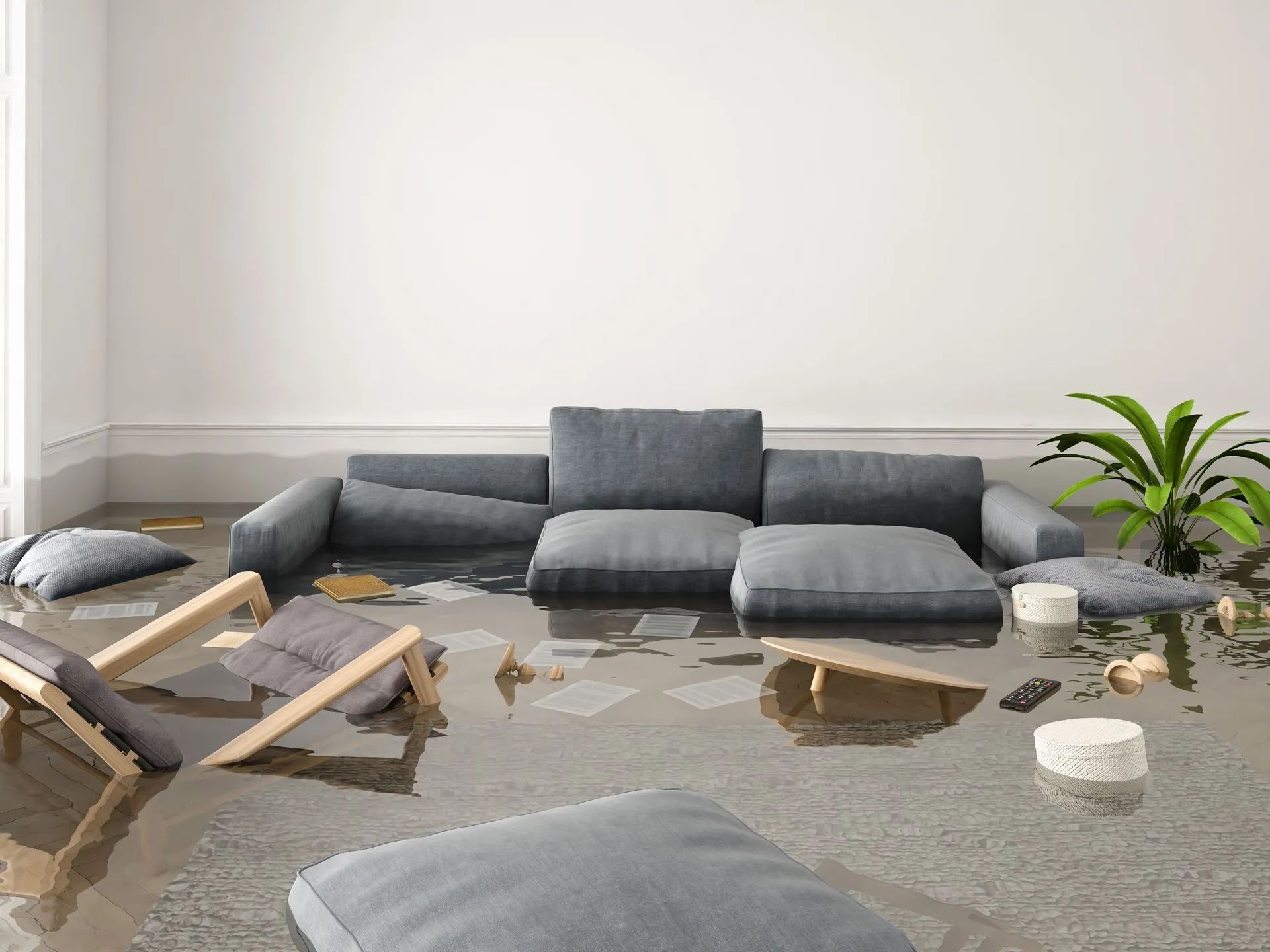
Water damage can affect a home in ways that are not always visible right away. A small supply line leak, appliance overflow, roof leak, basement backup, or storm-related water intrusion can move into drywall, flooring, cabinets, trim, and nearby materials before the full extent is clear.
For homeowners in Gaithersburg and nearby Mid Atlantic communities, this can feel especially familiar. Heavy rain, humid summers, finished basements, older plumbing, and everyday appliance leaks can make moisture harder to notice once it moves behind walls or under flooring. That is why residential water damage repair should begin with early evaluation, not guesswork.
ServicePros Cleaning & Restoration helps homeowners understand where the water traveled, what materials are still wet, and what steps may be needed before repairs move forward.
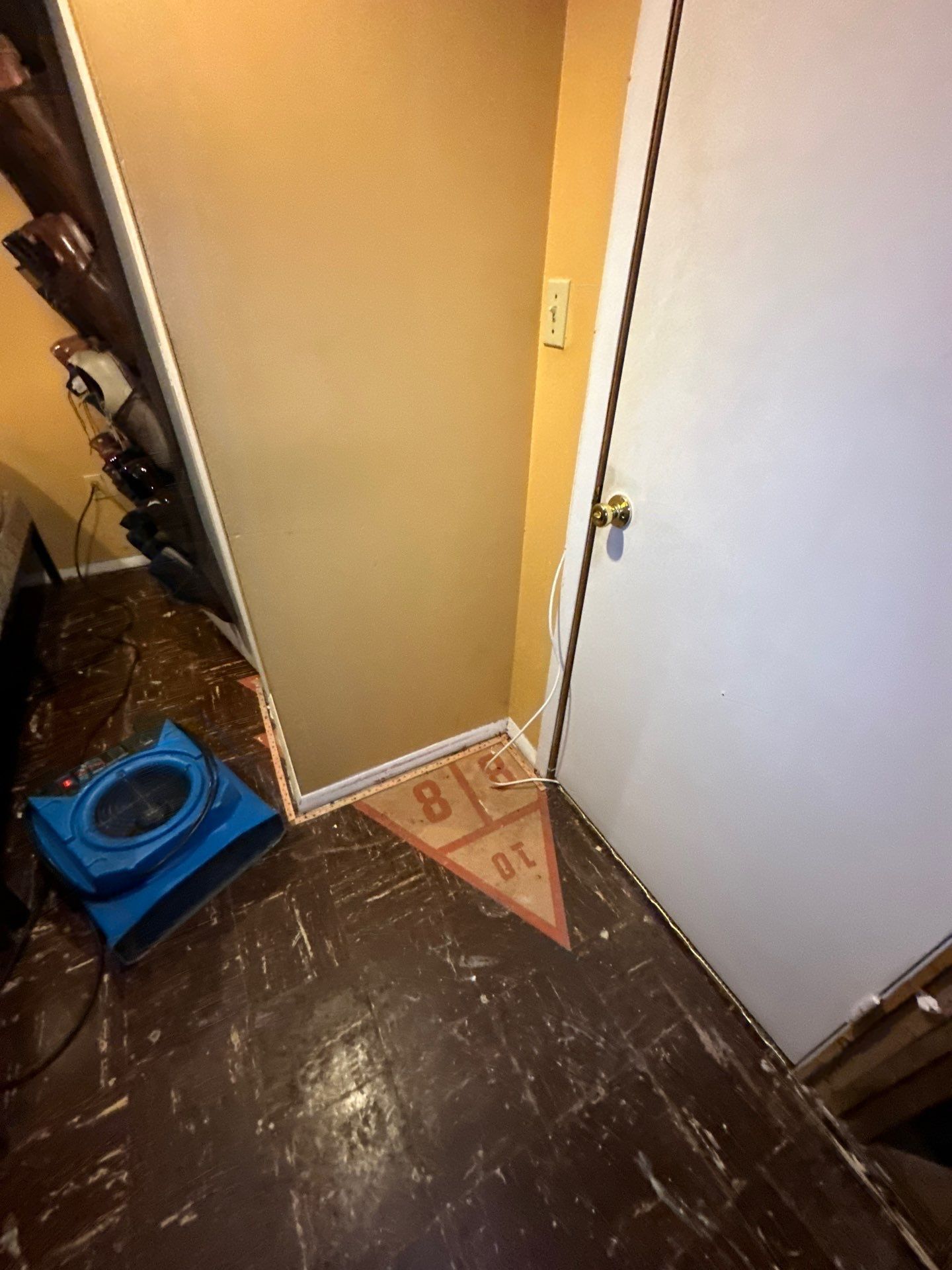
Seeing stains, swelling, soft flooring, or cabinet damage after a leak? Contact ServicePros for help, or learn more about our water damage restoration services.
Why Residential Water Damage Repair Starts With Evaluation
Residential water damage repair should begin with a clear look at the affected materials. Water can move under flooring, behind baseboards, into drywall seams, beneath cabinets, and around wall cavities. The surface may look dry while moisture remains inside materials that need closer inspection.
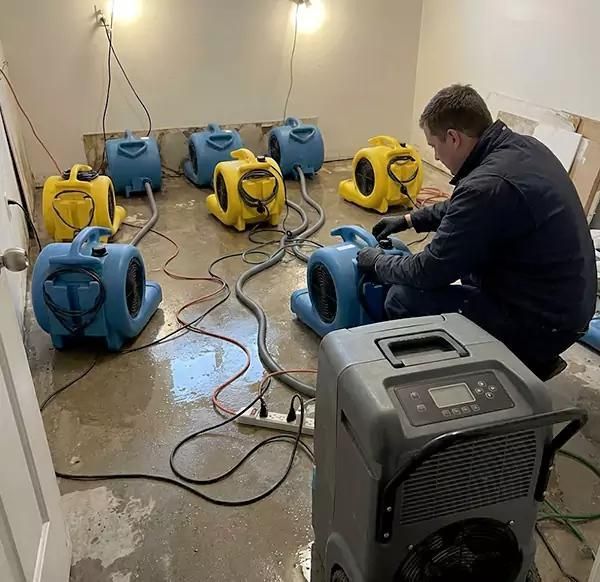
ServicePros uses practical moisture detection to help identify where water has traveled and how much drying may be needed. This step helps homeowners avoid guessing, especially when damage is near kitchens, bathrooms, laundry rooms, basements, or finished lower levels.
Early evaluation does not always mean everything must be removed. In many cases, the goal is to understand what is wet, what may dry properly, and what needs additional restoration planning.
Drywall Can Hold Moisture Behind the Surface
Drywall often shows water damage through stains, bubbling paint, peeling tape, soft spots, or swelling near the base of the wall. Sometimes the signs are subtle at first. A small stain near a ceiling, corner, or baseboard may point to water that moved farther than expected.
Can drywall dry after water damage? Sometimes it can, depending on the water source, how long it stayed wet, and whether insulation, framing, or wall cavities were affected. The concern is not only the visible wall surface. Moisture behind the drywall can contribute to odors, staining, material breakdown, or mold concerns if it is not addressed.
ServicePros can help determine whether drying, cleaning, removal, or repair planning is the right next step before the wall is closed or repainted.
Flooring May Hide Water Underneath
Flooring can make water damage difficult to judge because moisture often moves below the surface. Carpet may feel dry on top while padding underneath stays wet. Luxury vinyl plank, laminate, hardwood, or tile may hide moisture along seams, edges, subflooring, or transitions between rooms.
Signs homeowners may notice include cupping, buckling, soft spots, loose flooring, musty odors, or staining near walls and cabinets. These signs do not always mean the entire floor is beyond repair, but they do mean the area should be checked before normal cleanup or repair work begins.
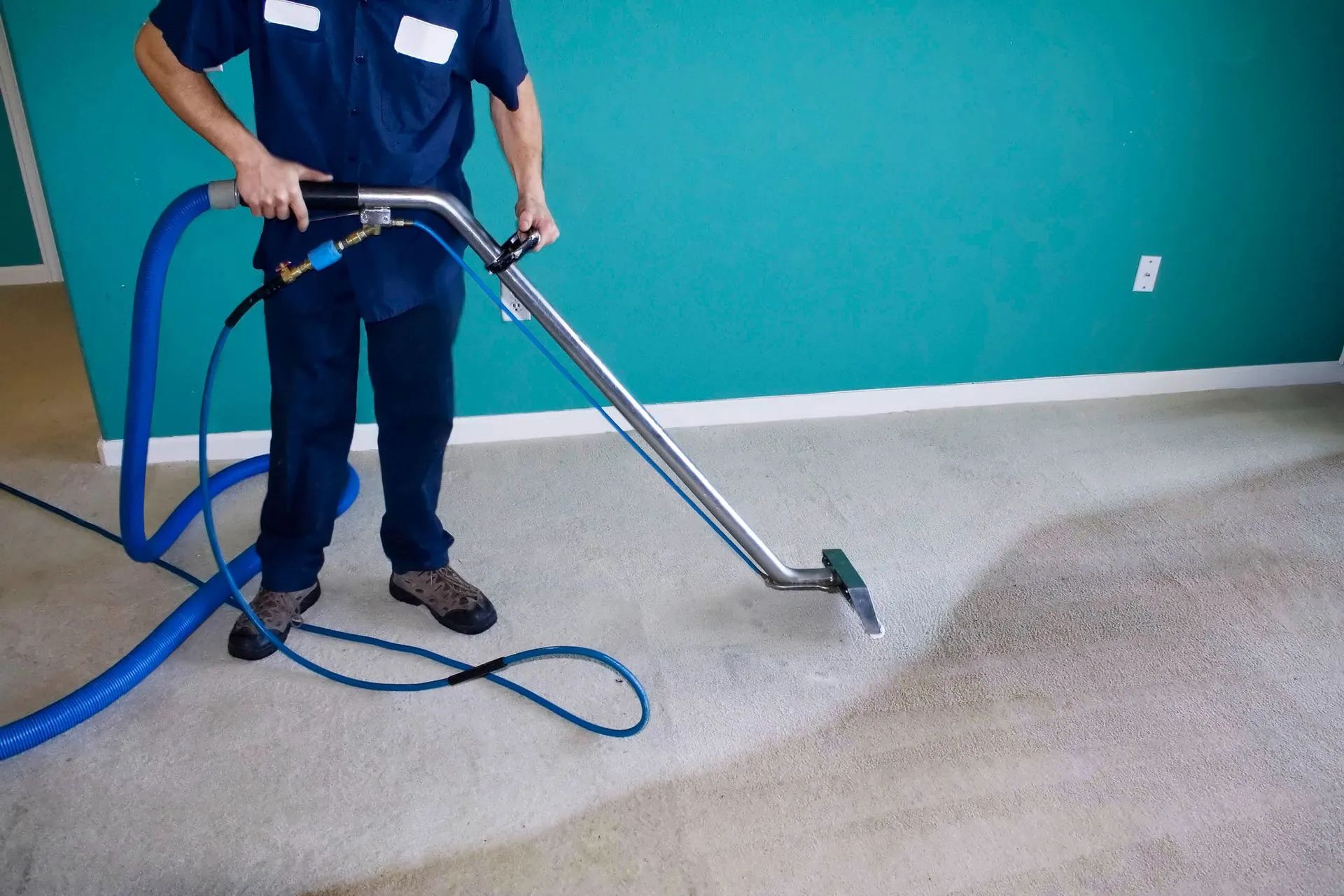
Water extraction may be needed when standing water or saturated materials are present. After that, drying equipment and monitoring can help determine whether the floor system is responding properly.
For restoration support after leaks or flooding, visit our residential restoration services.
Cabinets Can Trap Water Around Bases and Walls
Kitchen and bathroom cabinets are especially vulnerable because leaks often begin nearby. A sink supply line, dishwasher, refrigerator line, toilet overflow, or vanity leak can send water beneath cabinets and into the wall or floor behind them.
Cabinet damage may appear as swelling, soft toe kicks, staining, peeling finishes, musty odors, or separation near the base. The difficult part is that water can sit behind or under cabinets where homeowners cannot easily see it.
Should cabinets be removed right away after water damage? Not always. The first step is to inspect the area and determine whether moisture is trapped beneath the cabinet, behind the wall, or under nearby flooring. ServicePros helps homeowners understand whether water remediation services, drying, selective removal, or repair planning may be needed.
Why Local Homes Need Careful Moisture Checks
In Gaithersburg and surrounding communities, water issues are not always dramatic at first. A storm may leave a finished basement feeling damp. A slow dishwasher leak may affect cabinets before the floor looks damaged. Humid weather can also make wet materials slower to dry without the right equipment.
This local context matters because homeowners may not see the full moisture path right away. A room can look mostly normal while water remains under flooring, behind trim, or inside cabinet bases. Professional evaluation helps connect the visible signs with what may be happening behind the surface.
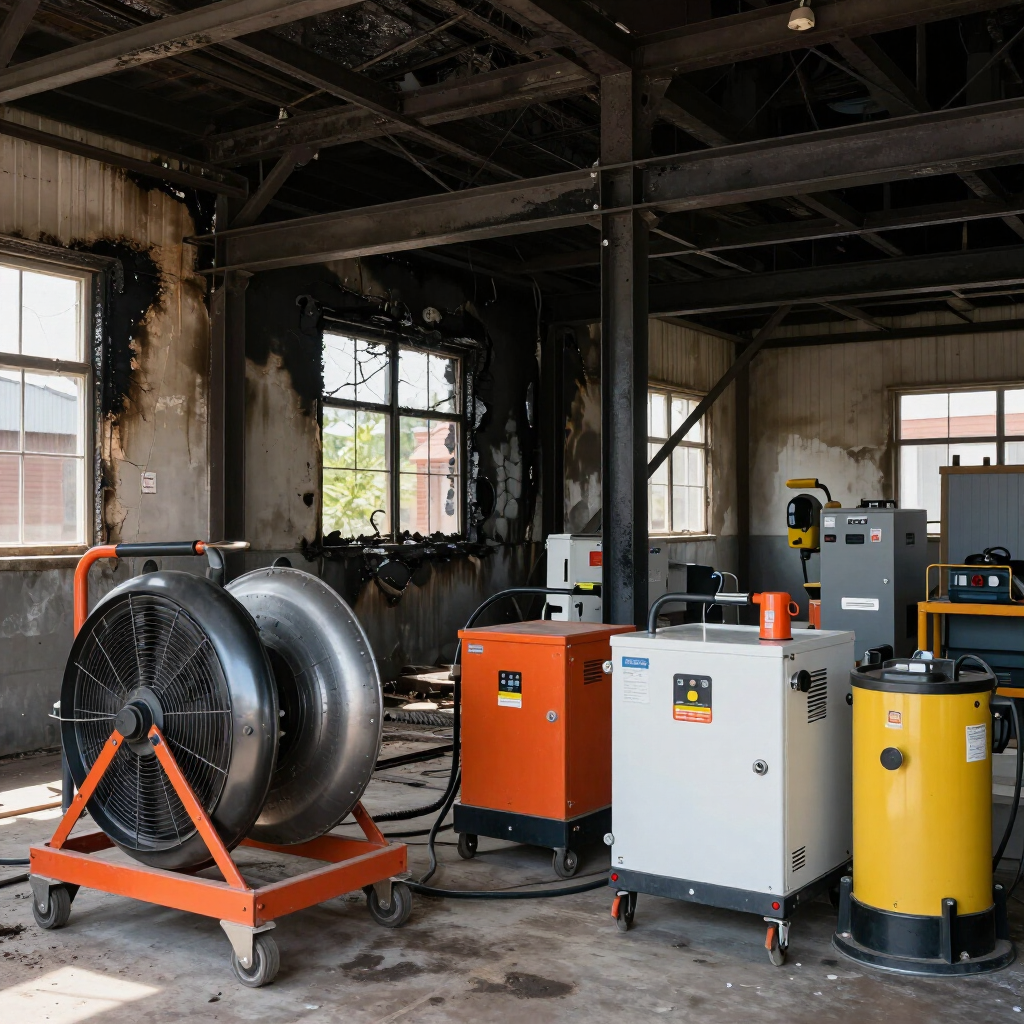
ServicePros can support the process with moisture checks, water removal, drying equipment, and guidance based on the condition of the home.
Moving From Cleanup to Repair Planning
Once the affected areas are evaluated, the next step is creating a practical plan. That may include water removal, drying, cleaning, material removal, monitoring, and then repair planning once the space is stable enough.
Property restoration works best when each step happens in the right order. Drywall, flooring, and cabinets should not be repaired or replaced before moisture conditions are understood. Otherwise, odors, stains, swelling, or mold concerns may return after the repairs are complete.
ServicePros provides licensed and insured service, careful field evaluation, and labor warranties for added peace of mind. Homeowners can call after leaks, flooding, stormwater entry, appliance failures, or hidden moisture concerns before small signs turn into a larger repair plan.