Why Musty Odors Can Persist After Visible Water Is Gone
Why Musty Odors May Remain After Water Remediation Services
Visible water can disappear before a home is fully dry. Floors may look normal, walls may feel dry to the touch, and standing water may be gone, but moisture can still remain behind baseboards, under flooring, inside drywall, beneath cabinets, or around insulation. When that happens, musty odors can continue even after the surface looks clean.
For homeowners in Gaithersburg and nearby Mid Atlantic communities, this is especially important after heavy rain, basement seepage, plumbing leaks, or appliance overflows. Humid weather and finished lower levels can make damp materials slower to dry, which means odor can become one of the first signs that moisture is still present.
Water remediation services help identify what is happening below the surface before repairs or normal use continue.
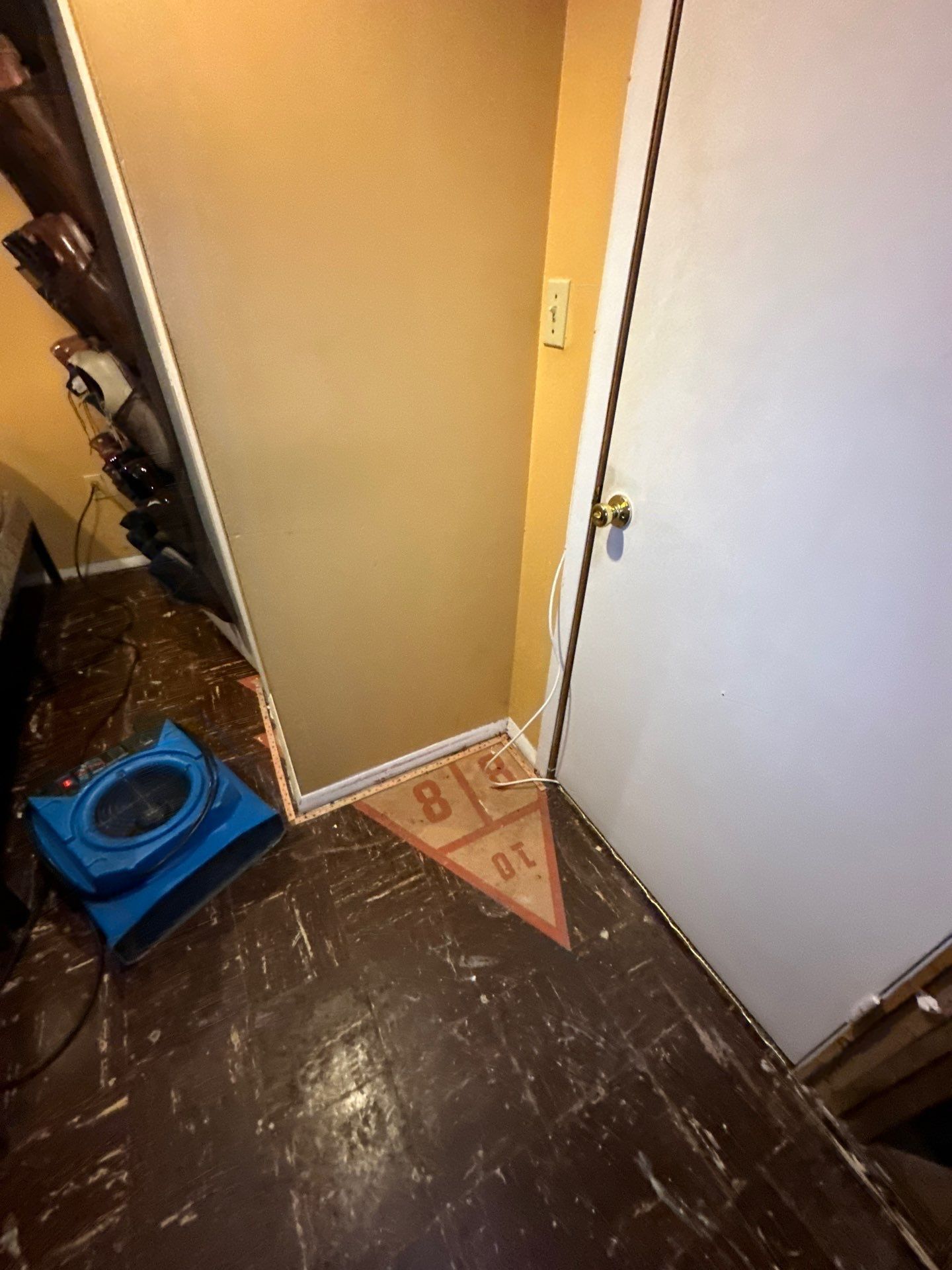
If your home still smells musty after a leak or flood, contact ServicePros for a moisture inspection, or learn more about our water damage restoration services.
Why Surface Dryness Can Be Misleading
A room can look dry before the materials inside it are actually dry. Water often moves into areas homeowners cannot easily see, including wall cavities, subflooring, carpet padding, trim, cabinets, and insulation. Once the visible water is gone, those areas may continue holding moisture.
This is why drying should not be based only on appearance. A dry surface does not always mean the moisture problem is finished. ServicePros uses moisture inspection and field evaluation to help determine whether dampness remains inside materials that could later cause odors, staining, or mold concerns.
Where Musty Odors Often Come From
Musty odors usually point to damp materials, poor drying, or moisture trapped in hidden areas. After a water event, odor may come from wet drywall, carpet padding, wood framing, insulation, cabinet bases, crawl spaces, or areas where air does not move well.
One common question homeowners ask is why the smell returns after the room has been cleaned. The answer is often that the source of the odor was never fully addressed. Cleaning the surface may improve the room temporarily, but if hidden moisture remains behind the wall or beneath the floor, the odor can come back.
Why Local Homes Need Careful Drying Checks
In Gaithersburg and surrounding areas, water damage does not always come from a major flood. It may start with a slow pipe leak, a sump pump issue, a washing machine overflow, or rainwater entering a finished basement. Because many homes have enclosed walls, layered flooring, built-in cabinets, and basement living areas, moisture can become trapped before homeowners realize how far it traveled.
Humidity can make the problem feel worse. Damp materials may take longer to dry, and rooms with limited airflow can hold odors longer. This is why early evaluation matters, especially when the home smells musty even though the visible water is gone.
ServicePros helps homeowners connect the odor with the possible moisture source instead of guessing based on what the room looks like.
How Professional Evaluation Guides the Next Step
Water remediation services focus on understanding the full moisture path. That may include checking affected rooms, looking near baseboards and cabinets, inspecting flooring transitions, reviewing where the water started, and using moisture detection to identify areas that may still be damp.
The goal is not to assume that every material must be removed. Some areas may dry with the right process, while others may need cleaning, selective removal, or additional restoration planning. A careful inspection helps determine what is realistic before homeowners repaint walls, replace flooring, or close up affected areas.
If musty odors are connected to visible growth or long-term dampness, ServicePros can also help homeowners understand when
mold remediation services may be needed.
Why Drying Must Happen Before Repairs
Repairs should come after moisture conditions are understood. If drywall, flooring, cabinets, or trim are repaired too soon, damp materials may be covered up. That can allow odors to return and may create conditions that require more cleanup later.
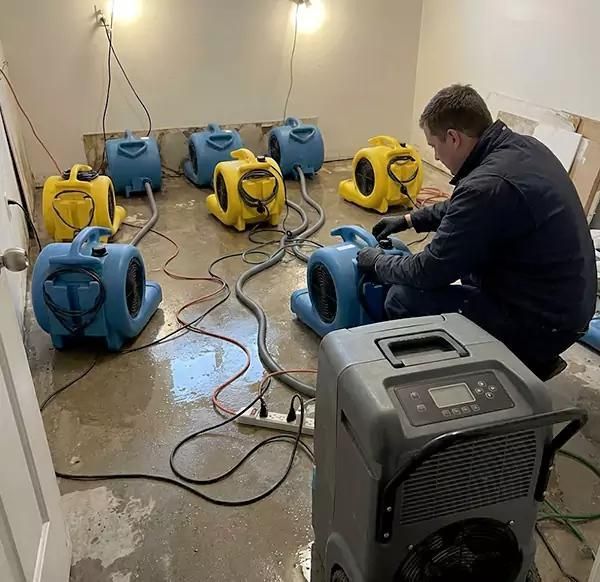
Structural drying may be needed when moisture has moved into walls, flooring systems, framing, or enclosed spaces. Drying equipment, dehumidification, air movement, and monitoring can help reduce moisture that is still present after water has been removed.
Can a homeowner just use fans and wait? For small surface spills, that may be enough. But after a leak, flood, or water intrusion that affects building materials, fans alone may not reach moisture hidden under flooring, behind walls, or inside cabinet bases.
When Musty Odors May Point to a Bigger Concern
A musty smell does not always mean there is visible mold, but it should not be ignored after water damage. Odor can be a warning sign that damp materials are still present. If the smell is strongest near baseboards, under cabinets, around carpeted areas, near a basement wall, or after humid weather, the home may need a closer inspection.
This is where professional remediation guidance can prevent guesswork. ServicePros can inspect affected areas, identify moisture concerns, recommend drying steps, and help determine whether additional cleanup or mold-related support is needed.
ServicePros provides licensed and insured service, practical field evaluation, and labor warranties for added peace of mind. For homeowners dealing with musty odors after a leak or flood, the safest next step is to confirm whether the home is truly dry before moving forward.