Water Damage Restoration in Silver Spring Multifamily Properties: Access, Drying and Resident Coordination
A ceiling leak in one apartment can introduce questions for several households. The resident upstairs needs information, the apartment below requires evaluation, and the property manager must arrange access without disrupting the entire building.
Multifamily water damage restoration in Silver Spring, MD needs to account for those connections. The community includes older garden apartments, downtown residential towers, and condominium buildings with different entrances, shared spaces, and maintenance arrangements. Their recovery plans should reflect the actual property.
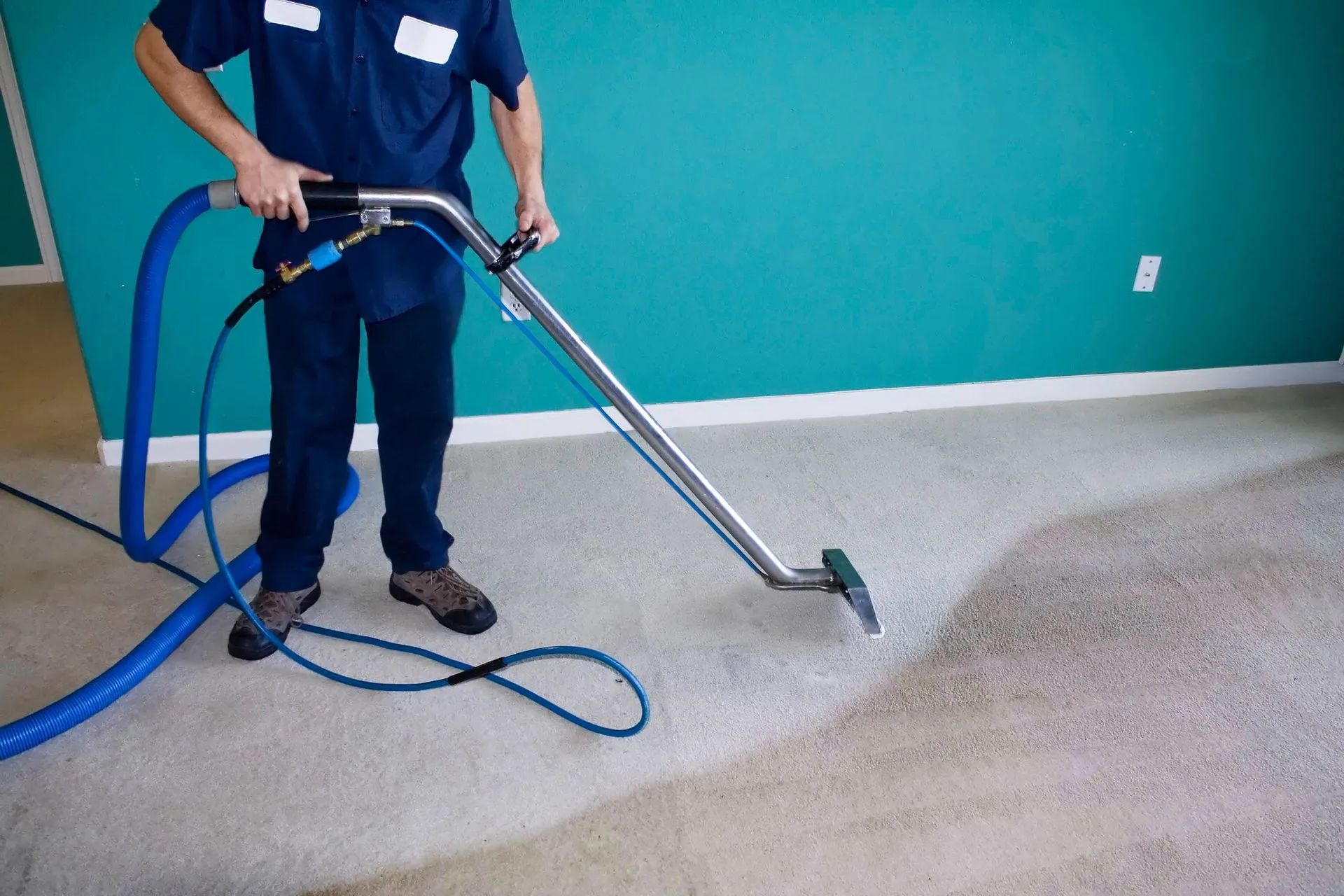
ServicePros Cleaning & Restoration provides water damage restoration in Silver Spring, including extraction, moisture detection, and structural drying. For multifamily properties, coordinating that work with building access and resident communication helps create a more organized recovery.
Silver Spring’s Apartment Buildings Need Different Access Plans
Silver Spring’s multifamily housing spans several generations of development. Montgomery Planning documents garden apartment communities such as Falkland Apartments, built beginning in 1936, while its downtown planning materials describe the growth of high-rise residential buildings. These properties can present very different working conditions.
In a garden apartment complex, the team may need to coordinate equipment delivery across several entrances or stairways. In a tower, the discussion may involve a service elevator, loading area, controlled entry, and shared corridors.
Before arrival, identify the correct building entrance, affected floors, management contact, and available delivery route. Confirm any elevator arrangements with management rather than assuming passenger access is suitable for moving equipment.
Building age alone does not determine the damage. The assessment still needs to establish the construction, materials, and conditions involved.
Local Flooding Shows Why Arrival Routes Belong in the Plan
Water damage may begin with a plumbing failure, appliance leak, or exterior water entry. During a major storm, however, the route to the property can also become part of the response.
On July 19, 2025, flooding affected Silver Spring and nearby communities, and Sligo Creek Parkway closed to traffic. Montgomery Community Media’s reporting documented the disruption and emergency response across the area. That event illustrates why managers should identify alternative access routes without asking residents or contractors to cross flooded roads.
Emergency access and restoration planning should follow current instructions from officials and the conditions on site.
Identify the Affected Units Before Treating Each Report Separately
In a multifamily building, separate maintenance calls may describe different parts of the same incident. One resident reports a ceiling stain while another notices wet flooring or water near a shared wall.
Give the restoration team the incident history, relevant floor plans, maintenance observations, and a list of reported locations. Ask which adjoining units or common areas need evaluation based on the findings.
An apartment water damage cleanup plan should distinguish the source location from the full area requiring attention. It should also identify who authorizes access and how management will coordinate visits under the property’s applicable procedures.
Keep unit numbers and building addresses precise. In a complex with several entrances or similar building numbers, an incomplete work order can make an already difficult situation harder to manage.
ServicePros’ Silver Spring water damage restoration services include moisture detection and work in multilevel buildings.
Base Structural Drying on Materials and Measurements
Removing standing water does not establish that walls, flooring, and other affected materials are ready for repairs. Structural drying needs to address the conditions identified within the building.
The EPA explains that moisture measurements can help assess whether building materials are dry enough for refinishing. Its flood cleanup guidance also notes that warm, humid outdoor air can slow drying. Opening windows should therefore follow the restoration team’s plan rather than become an automatic response during humid weather.
In occupied apartments, we explain the equipment arrangement to residents. We know whom to contact.
We Keep a Separate Moisture Record for Each Affected Unit
Moisture monitoring should remain traceable to the apartment and material being evaluated. A dry corridor does not establish that flooring inside an adjoining unit is ready for replacement.
Those records help management understand why equipment may remain in one apartment after it has been removed from another.
Make Resident Coordination Part of the Daily Work
Access is easier to organize when residents receive useful information before each visit. We explain the purpose of the appointment, the expected arrival window, and which areas need to remain available.
Silver Spring’s housing variety makes a single building-wide message insufficient for many projects. A resident in a separate garden apartment entrance may need different instructions from someone using a shared elevator or corridor.
Service Pros provides a clear contact and communicate in a format and language residents can understand. Updates should distinguish confirmed information from decisions still awaiting assessment.
Coordinate Common Areas Without Losing Track of Individual Homes
Multifamily recovery involves both shared infrastructure and residents’ living spaces. Management should clarify who handles building materials, common-area work, personal belongings, and any outside specialist services.
Montgomery Planning describes Greater Lyttonsville in West Silver Spring as a compact community containing condominiums, garden apartments, and high-rise apartments. That local mix reinforces the need to check each property’s layout and management arrangements before establishing access or storage plans.
The team confirms where equipment, removed materials, and deliveries can be staged. Shared entrances and circulation routes must remain part of the coordination discussion throughout the work.
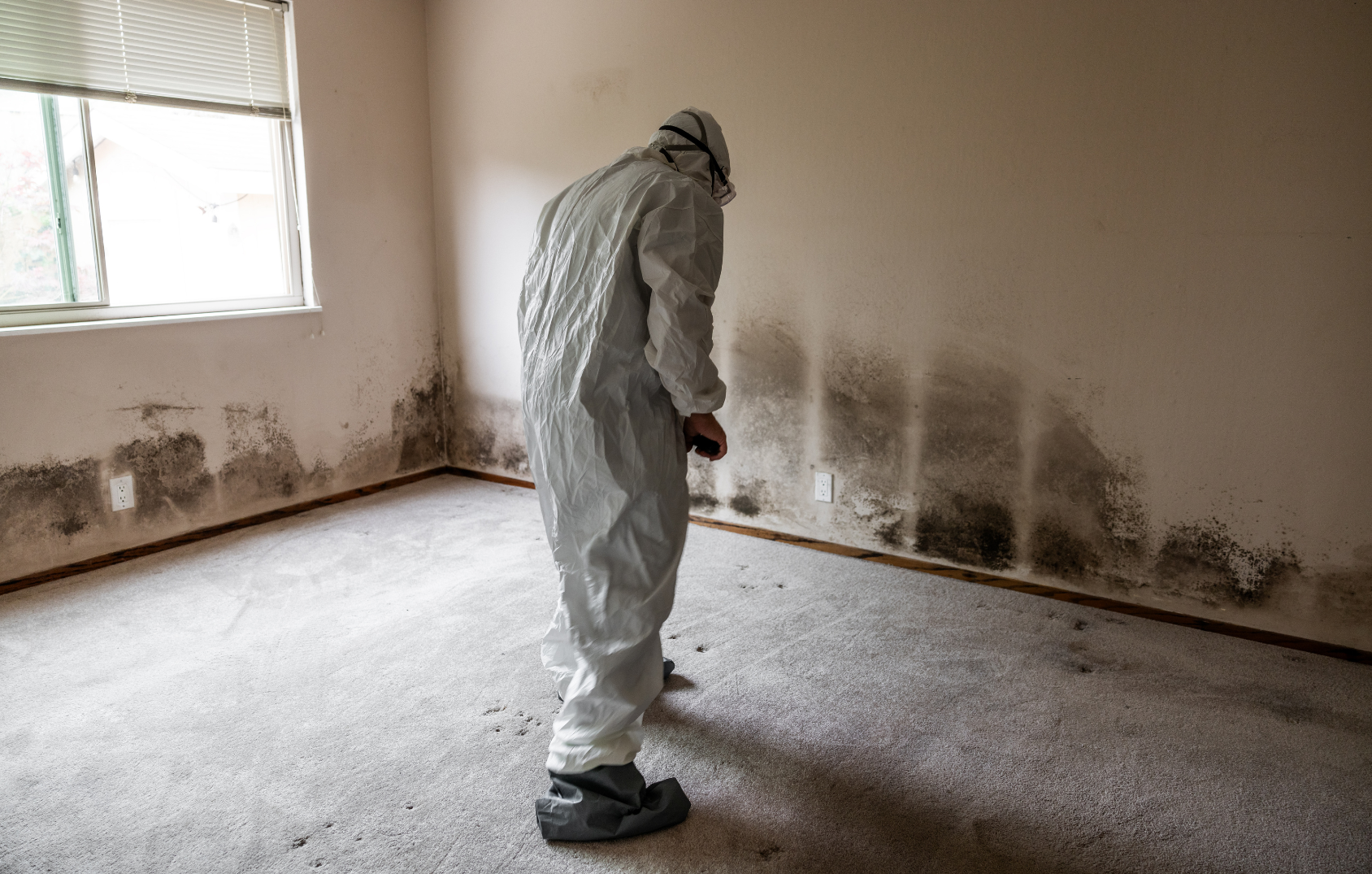
If suspected mold or additional affected materials are identified, our experts handle how the scope and resident instructions will be updated and explain changes before they create conflicting expectations between management, residents, and contractors.
Release Apartments for Repairs According to Their Condition
The transition to repairs should follow documented findings for each affected area. Our expertes will confirm what has been cleaned, dried, removed, or referred for additional work before finishes are replaced.
The repair schedule should account for individual apartments and shared spaces. One unit may be ready for reconstruction while another still requires evaluation or drying.
For Silver Spring property managers, the practical goal is a recovery plan that respects the building’s construction and the households living within it. Clear access arrangements, measurable drying progress, and consistent updates help residents understand what is happening in their homes.
Related restoration resources