What shapes the scope of emergency water damage restoration in Gaithersburg?
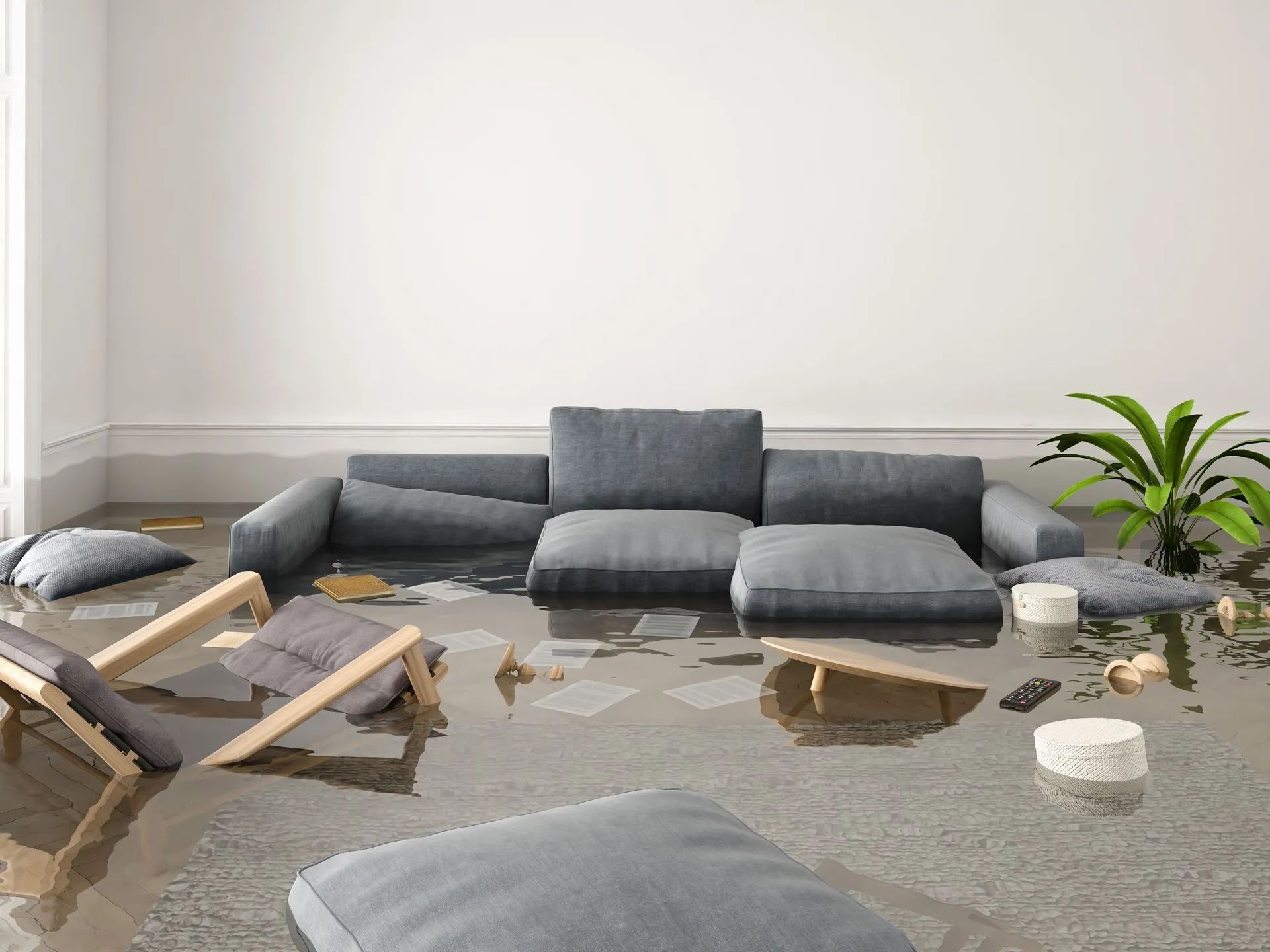
Water emergencies that look similar can require very different restoration plans. A plumbing leak discovered immediately is not the same as water that traveled through several rooms overnight. Likewise, surface water on a basement floor differs from moisture trapped beneath flooring or behind drywall.
The scope of emergency water damage restoration in Gaithersburg, MD depends on the source, affected area, materials, elapsed time, contamination concerns, and repairs needed after drying.
Understanding these factors helps property owners see why the restoration plan cannot be based only on the size of the visible puddle.
The water source defines the starting point
The restoration team must first identify where the water originated and whether the active flow has stopped.
Water may come from a plumbing line, appliance connection, overflowing fixture, storm entry, basement flooding, fire-suppression system, or sewage backup. The source can influence extraction, cleaning, material handling, and safety procedures.
It also helps determine where the water may have traveled. A leak from an upper-level bathroom, for example, may affect the original room, the floor assembly, walls, and the ceiling below.
ServicePros provides
water damage restoration services for homes and businesses affected by leaks, flooding, and other emergencies.

Water is spreading through your Gaithersburg property?
Contact ServicePros Cleaning & Restoration for 24/7 emergency assistance and an assessment based on the source, affected areas, materials, and current moisture conditions.
Moisture may extend beyond the visible area
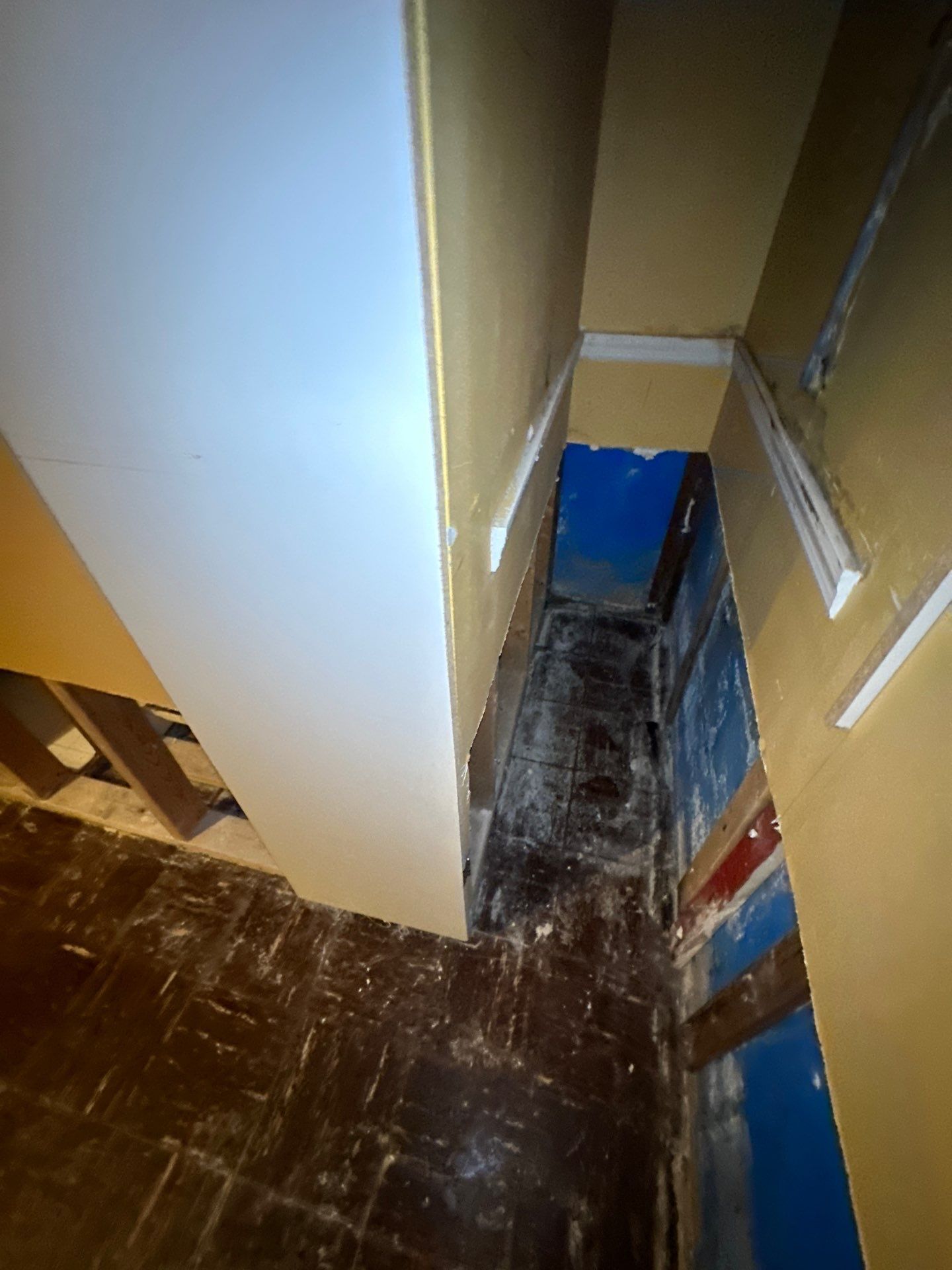
Water follows openings, seams, and absorbent materials. It can move beneath flooring, behind baseboards, through wall cavities, into insulation, or down to another level.
A surface may appear dry while surrounding materials continue holding moisture. For that reason, the initial assessment may include moisture readings and inspection of adjoining rooms, ceilings, walls, and floors.
The affected area should be defined by the documented moisture path rather than only where water was first noticed. A project involving one visible room may expand if testing shows that water reached nearby materials or concealed spaces.
Materials and exposure time affect what can be saved
Drywall, insulation, carpet, hardwood, laminate, cabinets, trim, subflooring, and framing do not respond to water in the same way.
The restoration team considers:
- Material type and construction
- Amount of absorbed water
- Duration of exposure
- Water source
- Visible swelling, separation, or deterioration
- Ability to access and monitor the affected area
Wet material does not automatically require complete removal. Some materials may be suitable for controlled drying, while others may require selective removal because of damage, contamination, or limited access.
The ServicePros guide to water damage affecting drywall, flooring, and cabinets explains why the condition beneath the surface is often more important than appearance alone.
Time also changes the scope. Materials can continue absorbing and transferring moisture after the active leak stops. Property owners should document when the incident was discovered, when the source was controlled, and whether temporary water removal has already occurred.
Extraction and structural drying address different conditions
Removing standing water is an essential first step, but it does not confirm that the property is dry.
Extraction removes water from accessible surfaces and materials. Structural drying addresses moisture retained within flooring systems, wall cavities, framing, and the indoor environment.
The equipment and monitoring plan depends on the number of affected rooms, material types, layout, temperature, humidity, and accessibility. Progress should be evaluated through moisture measurements rather than appearance or touch alone.
ServicePros explains this sequence in its guide to water remediation services, covering assessment, extraction, drying, cleaning, material removal, and restoration planning.
Contamination and mold can change the scope
Water from a clean supply line presents different conditions from sewage, groundwater, or water that contacted contaminated materials. The source and affected surfaces determine whether the project needs controlled work areas, specialized cleaning, sanitization, or removal of porous materials.
Mold remediation is not automatically required after every water incident. However, separate evaluation may be appropriate when materials remained damp, visible growth is present, the incident was discovered late, or musty odors continue.
If mold is identified, the water restoration and professional mold remediation stages should be coordinated. Drywall, flooring, or other finishes should not be reconstructed before moisture and mold conditions have been addressed.
Restoration may include repairs after drying
Emergency mitigation and reconstruction are related but distinct stages.
Mitigation focuses on controlling the immediate damage, extracting water, drying materials, cleaning affected areas, and establishing stable conditions. Reconstruction addresses drywall, flooring, trim, cabinets, insulation, or other components that need to be restored afterward.
The final repair scope may not be clear during the first emergency visit. As materials are evaluated and drying progresses, the restoration team can determine what can remain and what needs replacement.
The proposal should explain how additional findings will be documented, priced, and approved. This creates a more reliable plan than attempting to predict every repair before the affected areas have been fully evaluated.
Get emergency water damage help in Gaithersburg
The size of the visible puddle does not determine the complete restoration scope. The water source, moisture path, affected materials, elapsed time, contamination concerns, drying requirements, mold conditions, and reconstruction needs must be considered together.
ServicePros Cleaning & Restoration provides 24/7 emergency response, water extraction, moisture evaluation, structural drying, cleaning, mold remediation, and reconstruction planning in Gaithersburg.
Request immediate water damage assistance
Related water damage resources