Step 1: Inspect the Damage and Find the Source
The first step is understanding where the water came from and how far it moved. In Maryland, Washington D.C., and Virginia, ServicePros often sees damage from storm runoff, appliance leaks, pipe failures, basement seepage, and humidity trapped in finished spaces.
A professional inspection may include moisture readings, visible damage review, odor checks, and evaluation of walls, floors, trim, crawl spaces, or basement areas. This helps shape the right water mitigation plan before work begins.
Step 2: Remove Standing Water Quickly
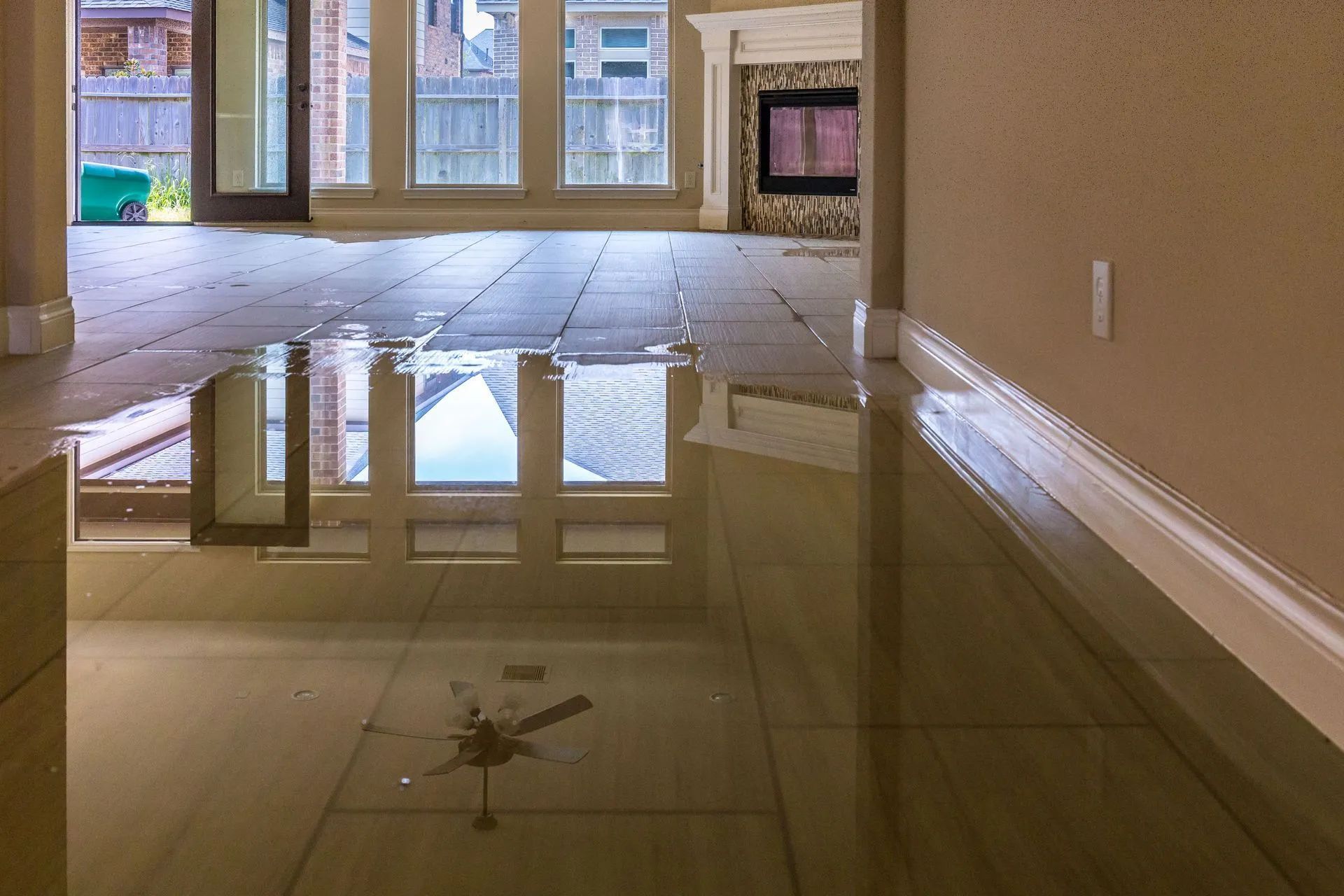
If standing water is present, fast removal is critical. Extraction helps reduce how much water continues soaking into carpet padding, subflooring, drywall, baseboards, and insulation.
ServicePros technicians look beyond the surface because a room can appear manageable while hidden materials are still saturated. Removing water early helps limit secondary damage and gives the rest of the restoration process a stronger start.
Step 3: Dry Hidden Moisture
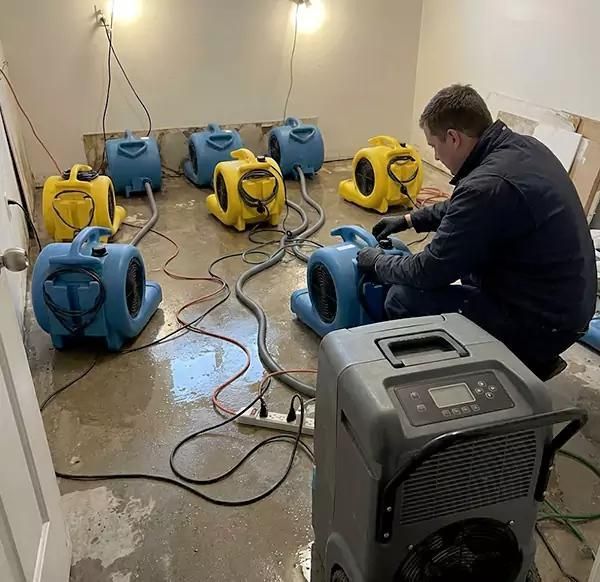
After visible water is removed, drying becomes the priority. Structural drying uses airflow, moisture monitoring, and controlled dehumidification to pull moisture from affected materials and indoor air.
This step matters because damp framing, wall cavities, and flooring can create musty odors, warped finishes, and hidden mold concerns if they are closed up too soon.
ServicePros checks drying progress so repairs are based on conditions, not guesswork.
Step 4: Clean, Remove, and Prepare for Repair
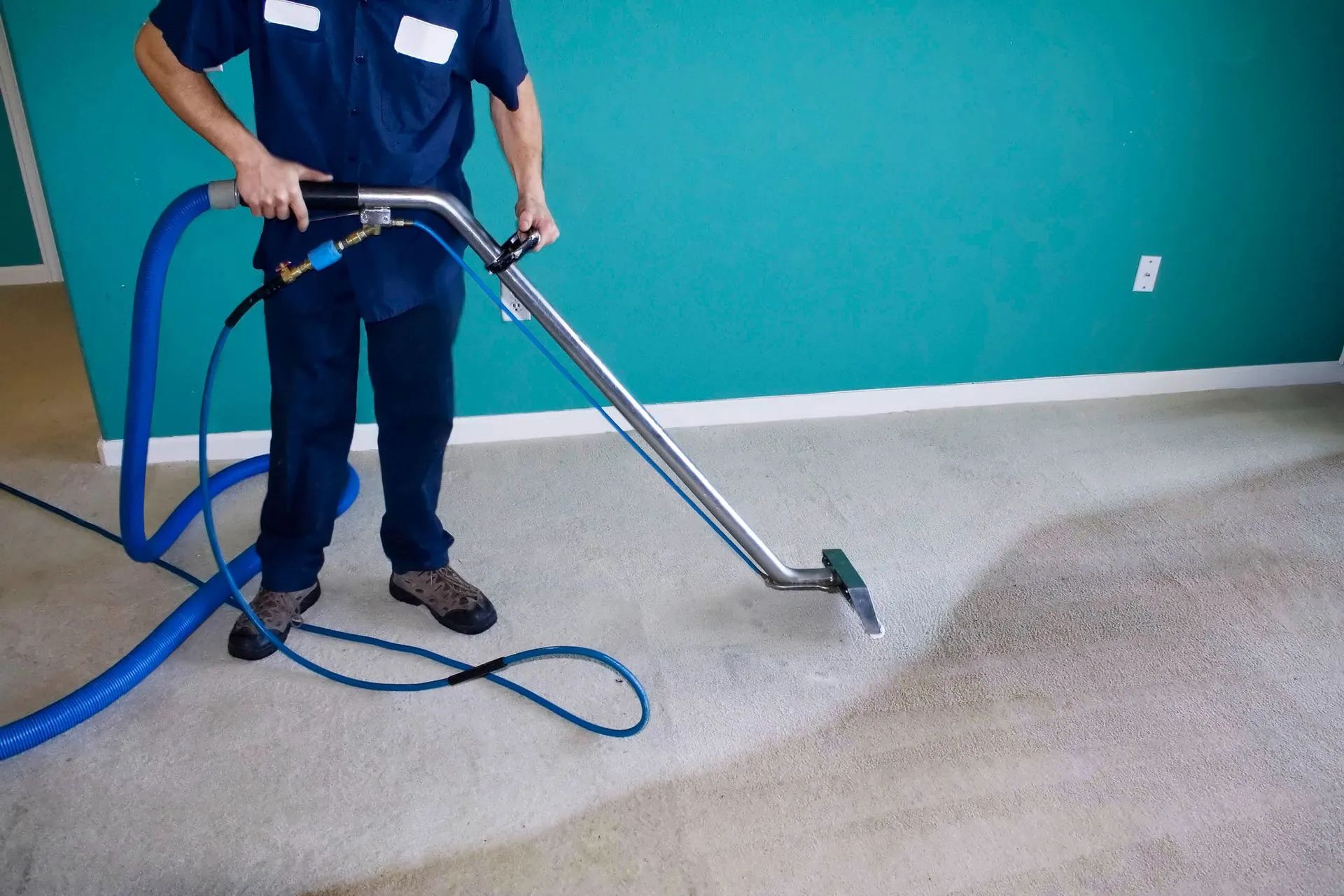
Some materials can be dried and cleaned, while others may need removal if they are damaged, contaminated, or holding too much moisture. The right decision depends on the water source, the material, and how long the area stayed wet.
ServicePros helps property owners understand what can be saved, what should be removed, and what should be documented for insurance claims support when needed.
Step 5: Move Toward Full Restoration
Once the property is dry and stable, repair planning can begin. This may involve replacing drywall, trim, flooring, insulation, or other affected finishes. A clear process helps avoid rebuilding over trapped moisture.
Call ServicePros for
water remediation services that support cleanup, drying, documentation, and repair planning from the start.