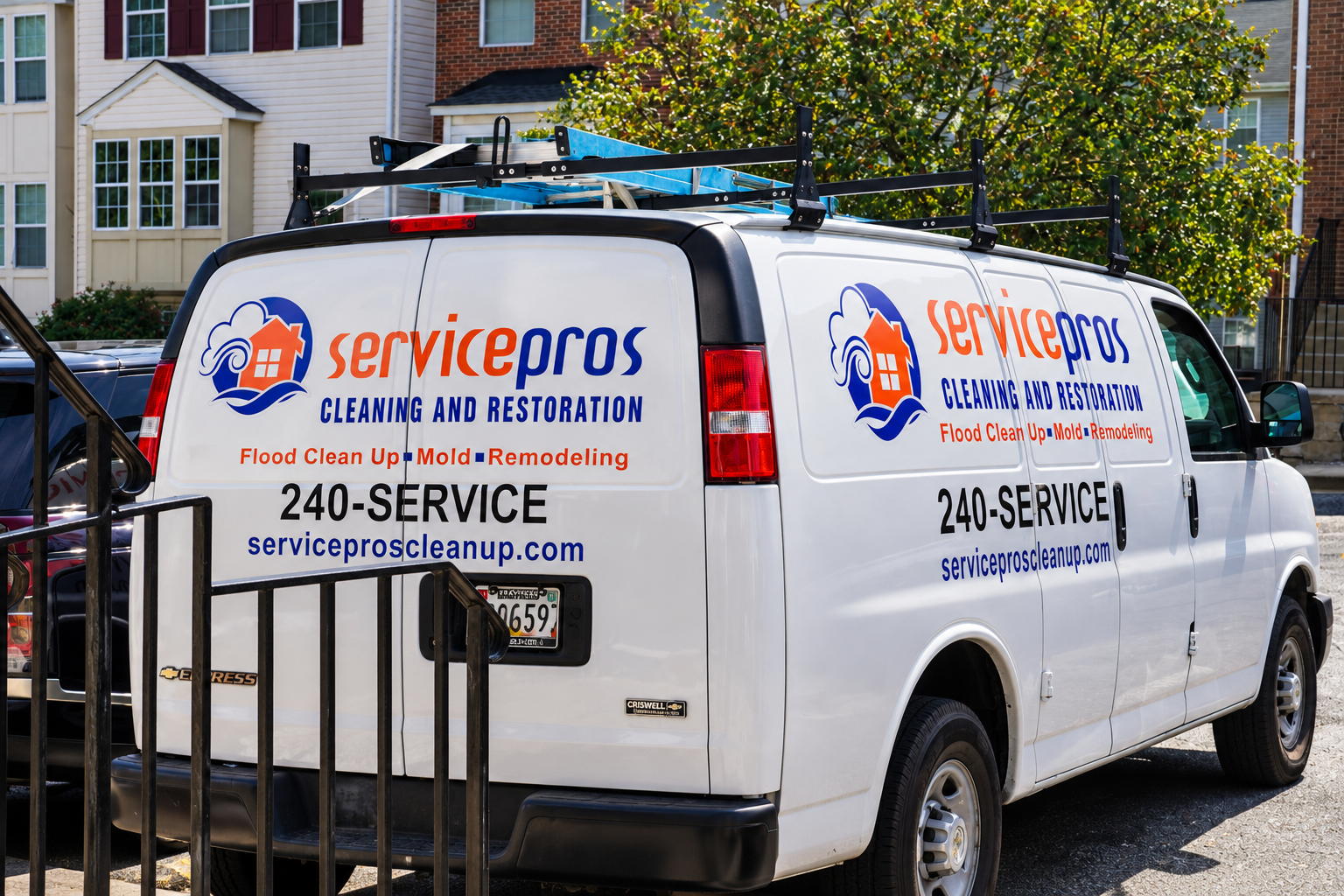
Emergency Water Damage: How Fast Action Prevents Structural Loss
Emergency water damage can move quickly from visible water to hidden structural problems. The first few hours matter because moisture can spread into drywall, subflooring, insulation, baseboards, and framing before the damage is easy to see. Fast response helps reduce material loss, mold risk, and repair complexity.

The First Hour Sets the Direction
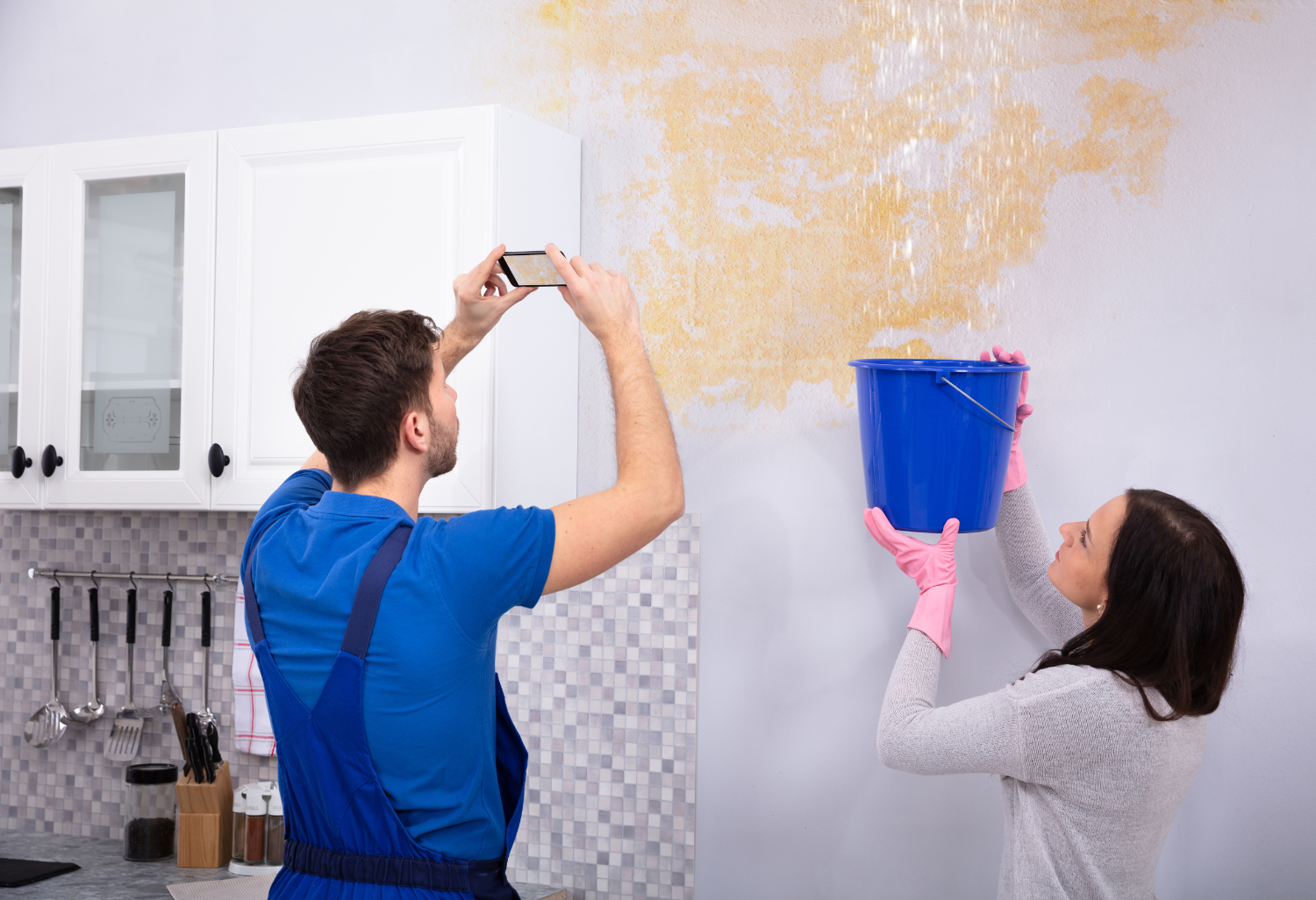
In Maryland, Washington D.C., and Virginia, ServicePros often sees urgent water issues caused by heavy rain, basement seepage, burst pipes, appliance leaks, and storm runoff. What looks like a small wet area may already be moving under flooring or behind trim.
During the first hour, avoid unsafe areas, stop the water source if possible, and call for emergency cleanup before soaked materials continue absorbing moisture.
What Can Happen as Time Passes
Water damage is a timeline problem. The longer materials stay wet, the more likely they are to weaken, stain, swell, or support microbial growth.
| Time After Damage | What May Happen |
|---|---|
| First hour | Water spreads into flooring, trim, and wall edges |
| 1-6 hours | Carpet padding, drywall, and wood begin holding moisture |
| 6-24 hours | Odors, swelling, staining, and humidity increase |
| 24-48 hours | Mold risk can rise if damp materials remain untreated |
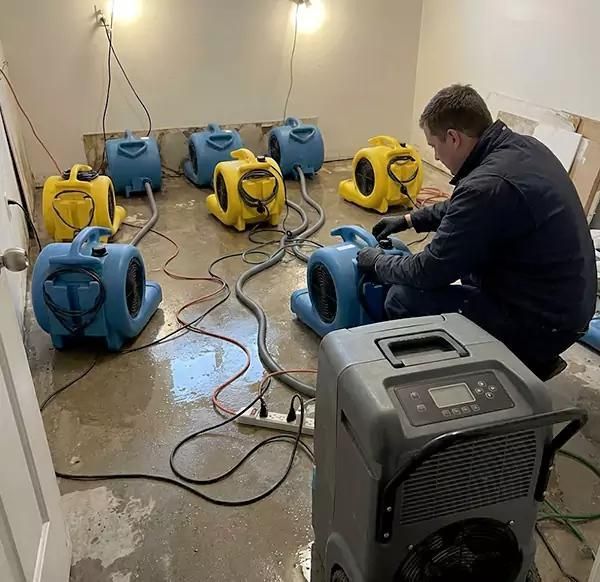
ServicePros uses mitigation services, moisture checks, and drying equipment to slow this progression and protect affected materials where possible.
Hidden Moisture Can Cause Structural Loss
The biggest risk is not always the water you can see. Moisture can hide behind cabinets, inside wall cavities, beneath vinyl or laminate, and around basement framing. When drying is delayed, wood can swell, drywall can soften, and insulation can trap dampness.
ServicePros technicians look for these less obvious conditions before repairs begin. This helps avoid closing walls or replacing finishes over moisture that still needs attention.
Fast Drying Helps Protect the Property
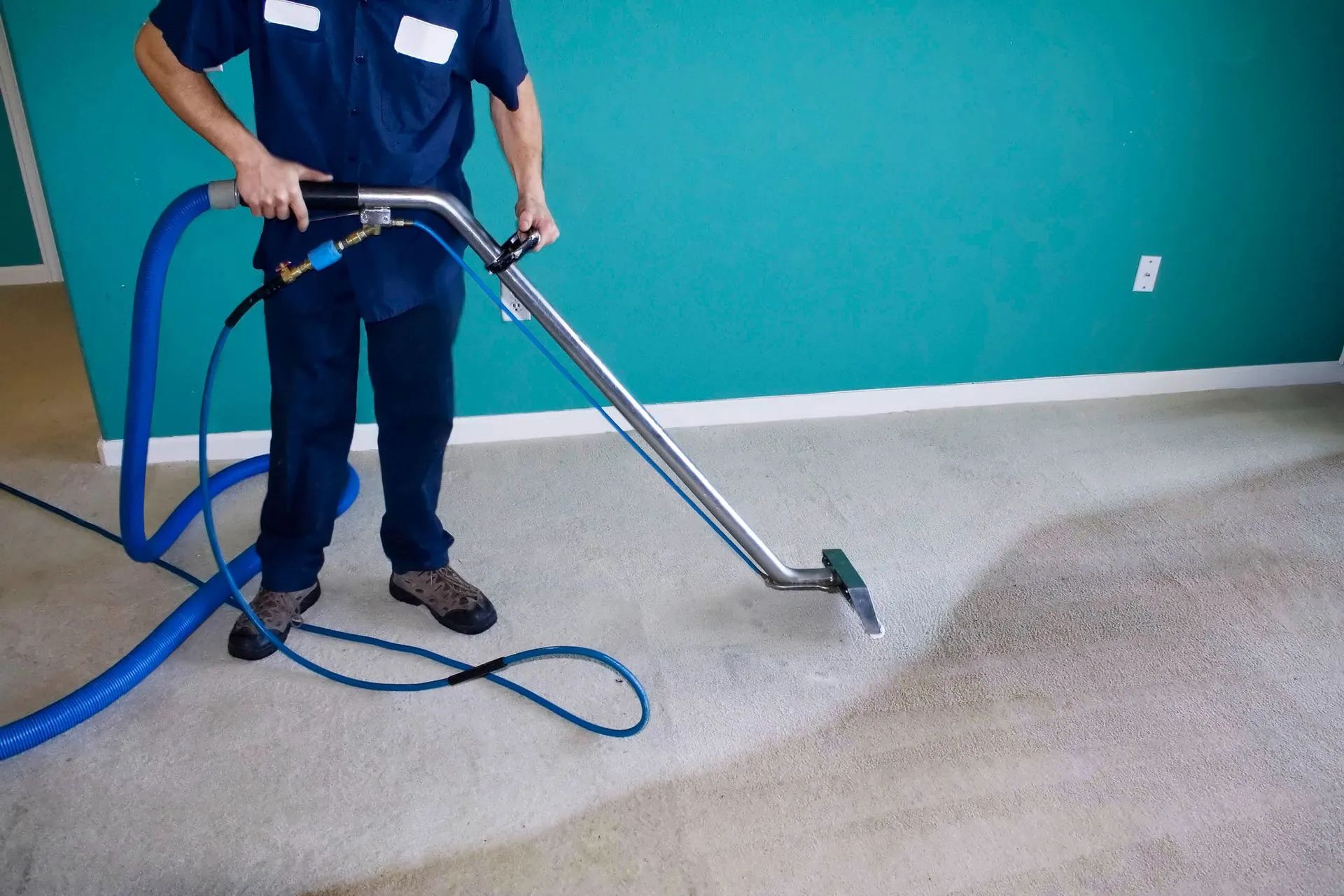
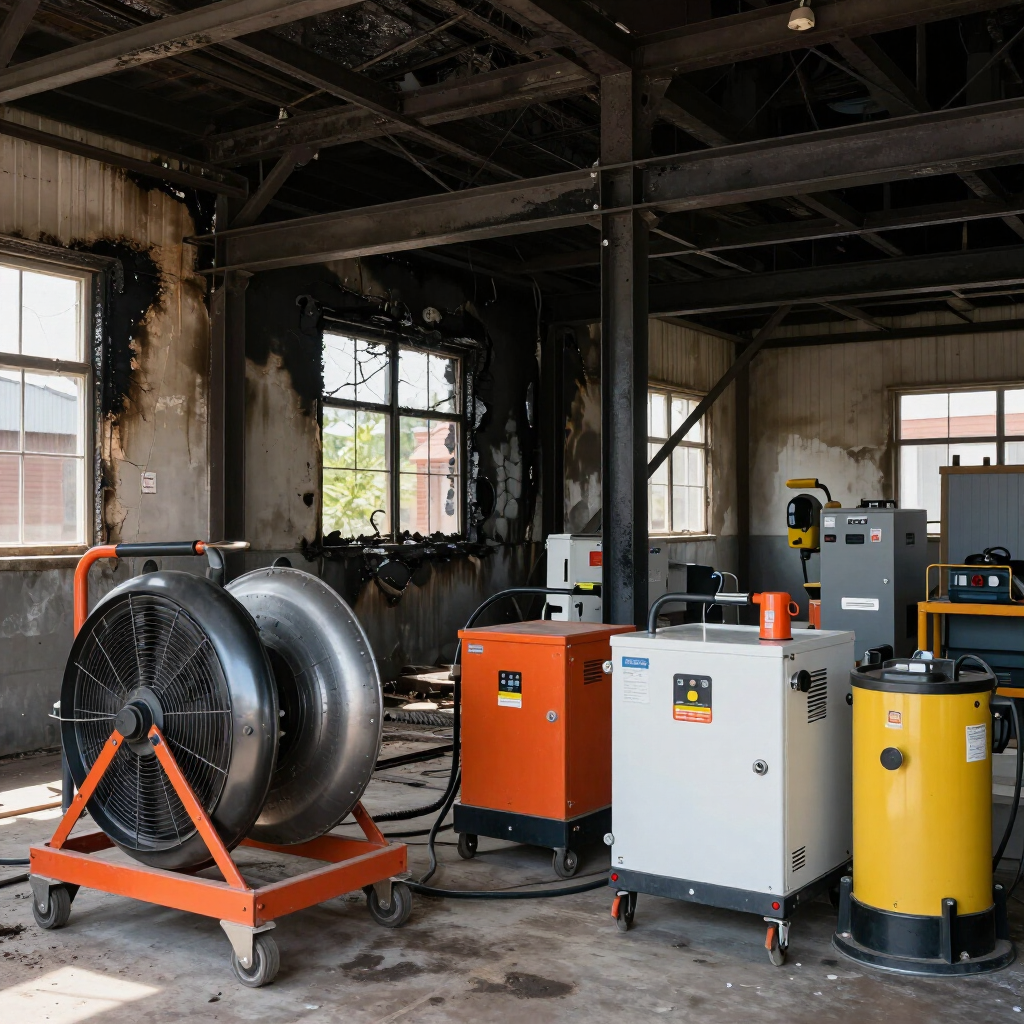
Professional drying is more than placing fans in a room. A proper response may include extraction, controlled airflow, dehumidification, moisture monitoring, and removal of materials that cannot be safely dried.
This process helps reduce the chance of warped floors, persistent odors, stained walls, and a more complicated restoration process later.
Schedule Water Damage Mitigation
When to Call Immediately
Call ServicePros as soon as you notice standing water, wet carpet, damp drywall, musty odors, ceiling stains, or water entering a basement. Early action is especially important for finished basements, crawl spaces, rowhomes, older properties, and commercial spaces where moisture can interrupt daily use.
ServicePros provides licensed and insured service, practical field evaluation, and labor warranties for added peace of mind.

FAQs About Emergency Water Damage
How fast should water damage be handled?
Water damage should be addressed as soon as possible. Even a few hours can allow moisture to spread into hidden materials and increase the amount of drying needed.
Can a small leak cause structural damage?
Yes. A small leak can affect flooring, framing, drywall, or insulation if it continues long enough or is not dried properly.
What should I do before help arrives?
Stay safe, avoid electrical hazards, stop the water source if possible, and move dry valuables away from the affected area.