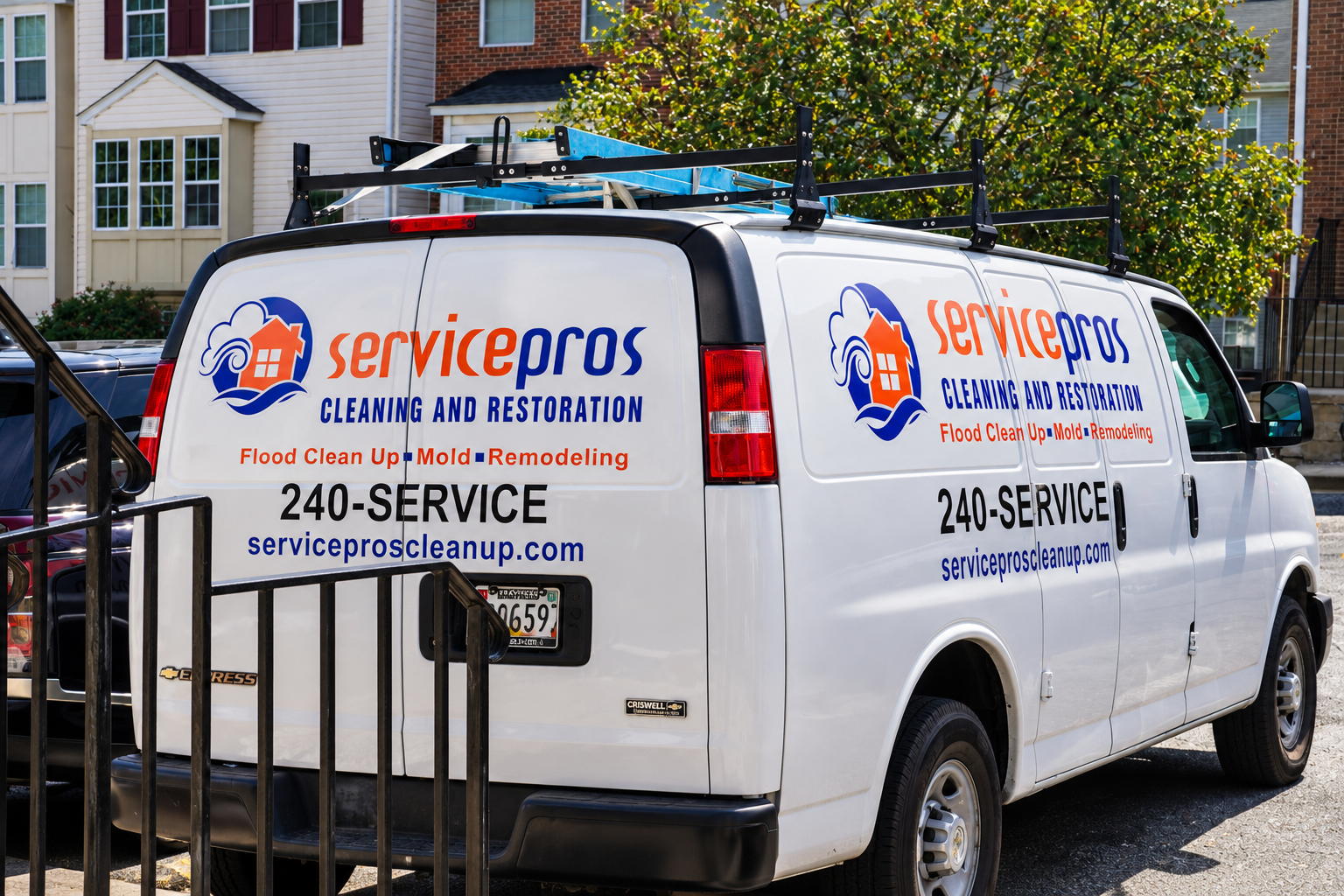
Residential Water Damage Repair: Signs You Should Never Ignore
Water damage does not always look urgent at first. A small stain, soft floor, or musty odor can point to moisture spreading behind walls, under flooring, or into insulation. When these signs appear, experienced remediation contractors can help identify the source, stop further damage, and plan the right drying or repair steps.
Seeing warning signs at home? Contact ServicePros Cleaning & Restoration for a professional water damage inspection.

Musty Odors That Do Not Go Away
A persistent musty smell often means moisture is trapped somewhere air cannot easily reach. In Mid Atlantic homes, humidity, finished basements, crawl spaces, and older wall systems can make odors linger after a leak or storm.
ServicePros often finds that what homeowners describe as “just a damp smell” may connect to wet drywall, carpet padding, baseboards, or hidden moisture pockets. A restoration company can check the affected area before the odor becomes harder to control.
Stains, Bubbling Paint, or Warped Walls
Brown stains, peeling paint, bubbling drywall, and warped trim are warning signs that water has moved into building materials. These symptoms may appear after roof leaks, plumbing failures, appliance leaks, or storm runoff entering lower levels.
If the wall surface is changing, water damage repair should not be delayed. Certified technicians can use moisture readings to determine whether the damage is only cosmetic or if the wall cavity needs drying, cleaning, or material removal.

Soft Flooring or Damp Carpet
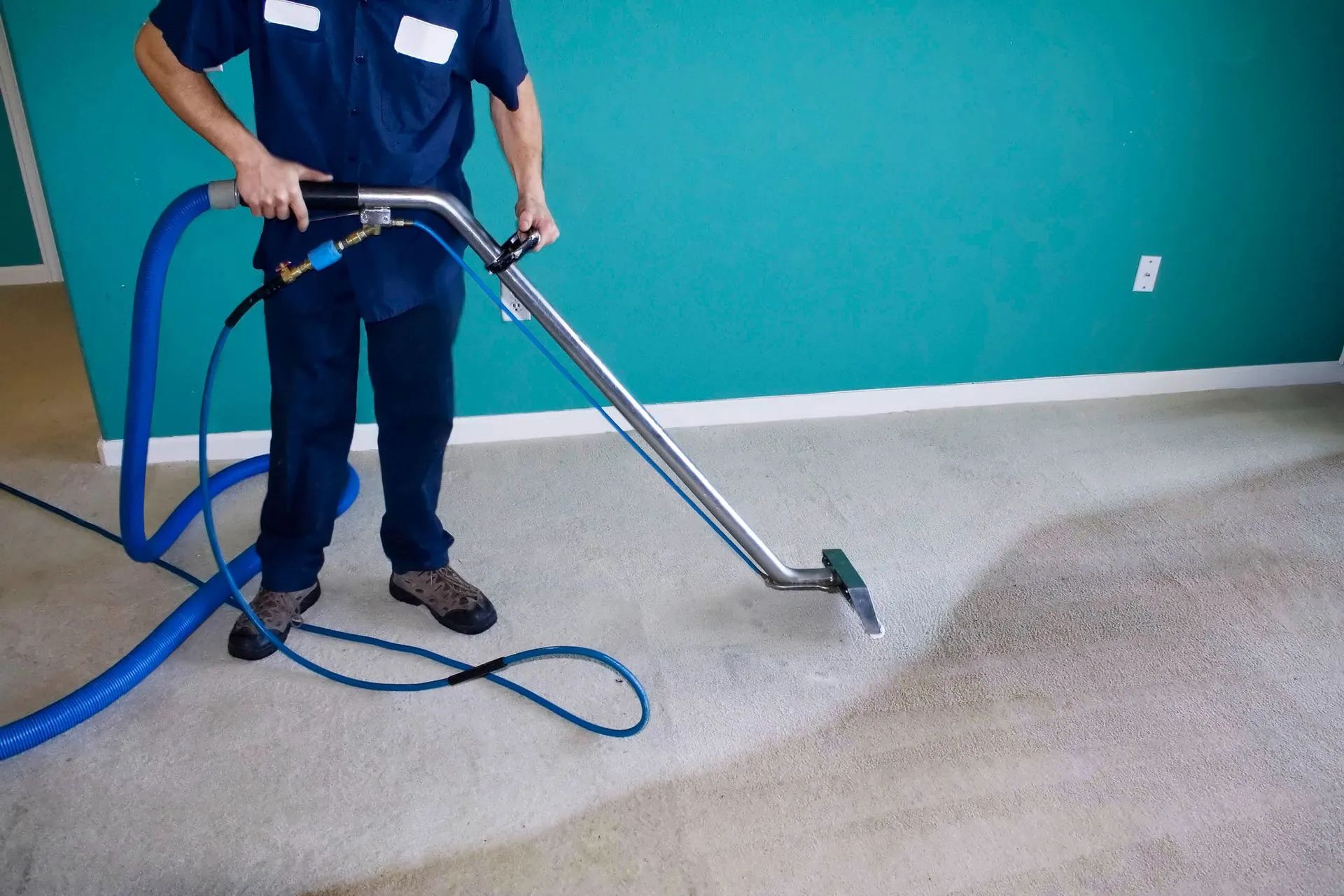
Floors can hold water longer than they appear to. Carpet may feel dry on top while the padding underneath is still wet. Wood or laminate may cup, swell, or separate when moisture reaches the subfloor.
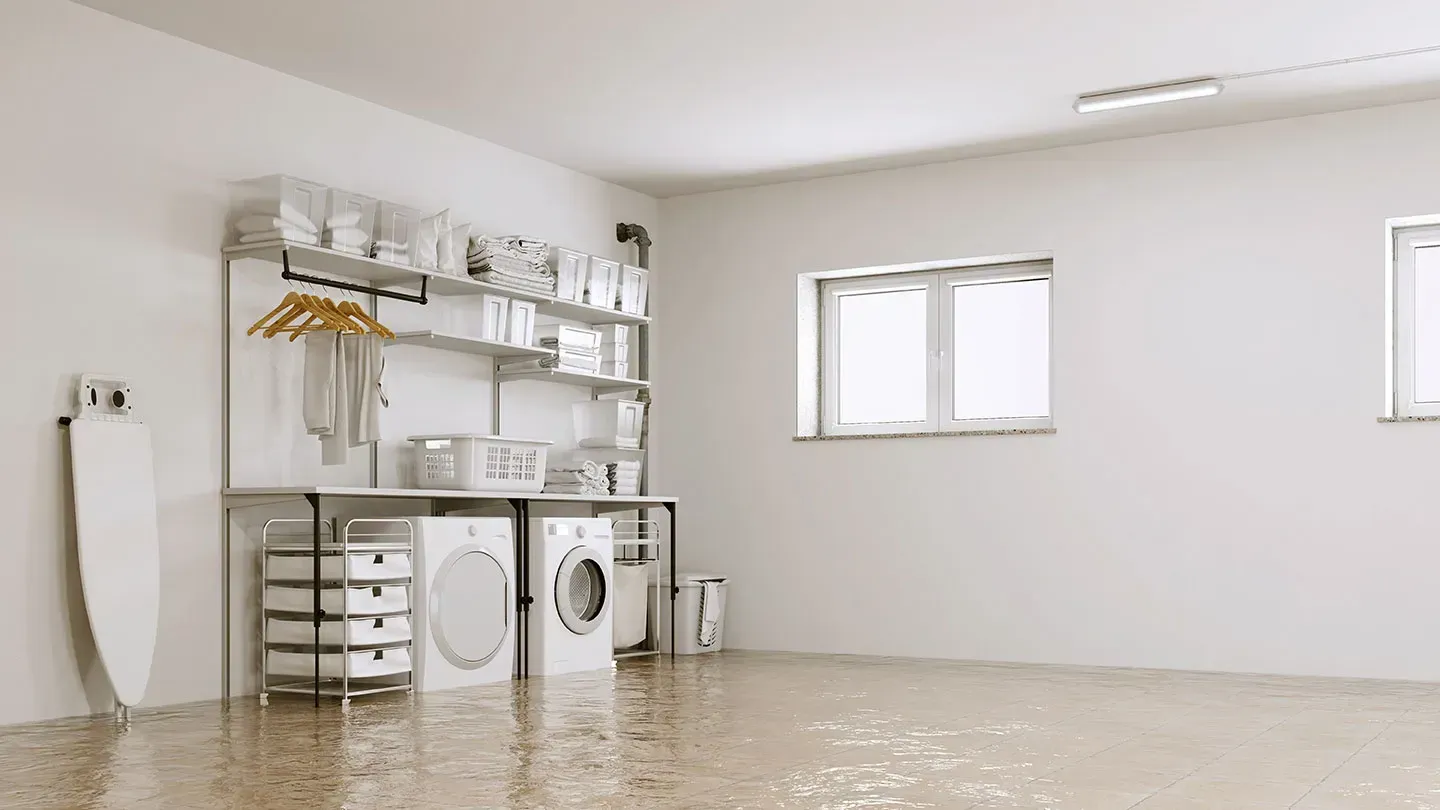
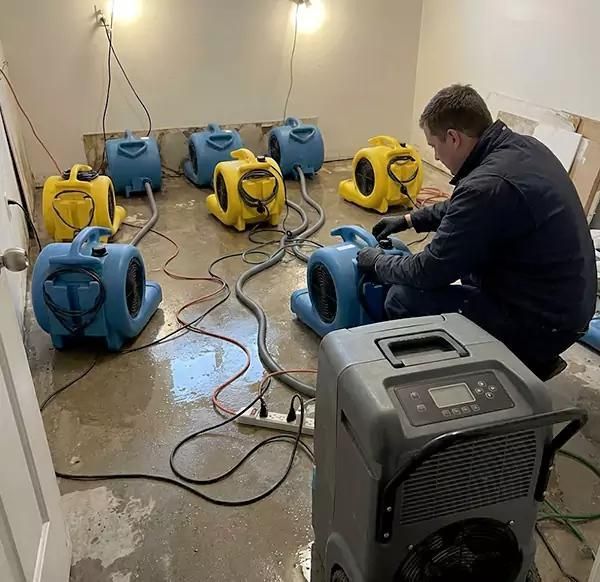
This is common in basements, laundry areas, kitchens, and rooms near exterior doors. ServicePros looks beyond the visible surface to understand how far moisture has traveled and whether drying equipment is needed.
Mold Spots or Recurring Moisture
Small mold spots near baseboards, ceilings, closets, or basement corners should be taken seriously. Mold can return when the source of moisture is not corrected, even after surface cleaning.
A proper
mold remediation
process focuses on identifying the moisture source, containing affected areas when needed, removing damaged materials safely, and reducing the chance of recurring growth.
When Documentation Matters
If the damage may involve insurance, clear documentation is important. Photos, moisture readings, affected material notes, and service details can help explain what happened and what work was needed.
ServicePros provides practical inspection support, licensed and insured service, and labor warranties for added peace of mind. Insurance claims support can also help property owners stay organized during a stressful situation.
Call ServicePros before hidden water damage becomes a larger repair problem.
FAQs About Residential Water Damage Signs
What is the first sign of hidden water damage?
Musty odors, staining, soft flooring, bubbling paint, and warped baseboards are common early signs that moisture may be trapped behind surfaces.
Can water damage lead to mold?
Yes. When moisture remains in drywall, carpet, insulation, or wood, mold risks can increase, especially in humid areas or poorly ventilated spaces.
Should I wait to see if the area dries on its own?
No. Surfaces may look dry while hidden materials remain wet. A moisture inspection can help confirm whether drying or repair is needed.