How to Choose the Right Remediation Contractors for Water and Mold Damage
Choosing the right remediation contractors matters because water and mold damage can spread quickly, affect indoor air quality, and create hidden structural problems if the cleanup is not handled correctly. The best remediation team should have certified technicians, professional drying equipment, a clear mold remediation process, and experience helping with insurance claims support.
A qualified restoration company should do more than clean what you can see. They should inspect the damage, identify moisture sources, remove affected materials when needed, dry the structure properly, and help prevent the problem from returning.
Need help with water or mold damage now? Visit our Water Damage Restoration Services or Mold Remediation Services to schedule professional help from Service Pro.
What Remediation Contractors Actually Do
Remediation contractors help restore homes and businesses after water damage, mold growth, storm damage, leaks, flooding, and moisture-related problems. Their job is to stop the damage from spreading, remove unsafe or damaged materials, dry affected areas, and create a safer indoor environment.
Professional remediation may include:
- Water damage inspection
- Emergency water extraction
- Moisture detection and mapping
- Structural drying
- Mold inspection
- Mold containment
- Air filtration
- Removal of contaminated materials
- Cleaning and sanitizing
- Odor control
- Documentation for insurance claims support
- Repair recommendations after mitigation
A professional restoration company should explain the full process before work begins, so you understand what needs to happen and why.
If you are dealing with water damage, mold growth, or moisture concerns, contact Service Pro for a professional inspection and remediation plan.
DIY vs Professional Remediation vs General Contractor
Not every water or mold issue should be handled the same way. Small surface cleanup may be manageable in limited cases, but hidden moisture, widespread mold, contaminated water, or structural damage usually requires trained remediation contractors.
| Option | Best For | Limitations | When to Choose It |
|---|---|---|---|
| DIY Cleanup | Very small spills or minor surface moisture | Cannot detect hidden moisture or safely handle serious mold | Only when damage is small, clean, and fully visible |
| General Contractor | Rebuilding damaged areas after cleanup | May not specialize in water mitigation or mold containment | After remediation is complete and repairs are needed |
| Professional Remediation Contractors | Water damage repair, mold remediation, drying, containment, cleanup | Requires scheduling and professional service cost | When water or mold may be hidden, spreading, or unsafe |
When DIY Cleanup Is Not Enough
40–60 Minutes: Begin the Water Mitigation Process
The water mitigation process is designed to reduce damage after flooding. It is not just about removing visible water. It also includes finding hidden moisture, drying affected materials, preventing mold growth, and protecting the structure of your home.
A professional water mitigation process may include:
Inspection and moisture mapping
The team checks floors, walls, ceilings, trim, and hidden areas for moisture.
2. Emergency water extraction
Standing water is removed from floors, carpet, basements, and affected rooms.
3. Removal of damaged materials when needed
Saturated carpet padding, drywall, insulation, or damaged materials may need removal.
4. Structural drying
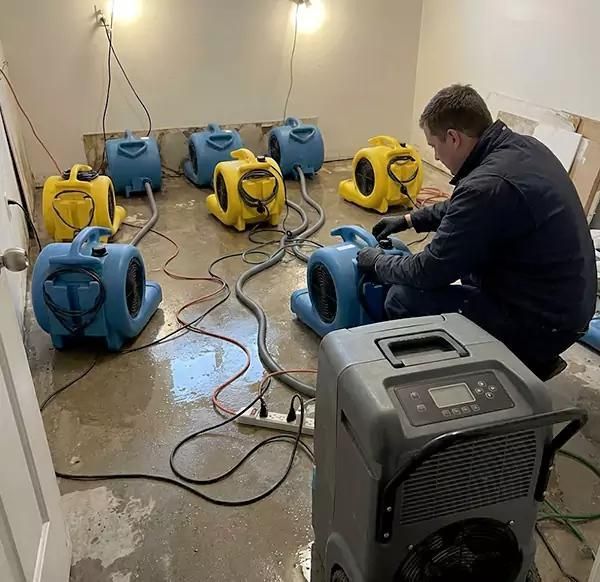
Air movers and dehumidifiers help dry the affected areas properly.
5. Cleaning and sanitizing
Surfaces may be cleaned, deodorized, or sanitized depending on the water source.
6. Monitoring and documentation
Moisture levels are checked until the affected areas are dry.
Internal link: If flooding has affected walls, flooring, or structural areas, visit our Water Damage Restoration Services page for next steps.
What Not to Do After a Flooded Basement or Storm Damage
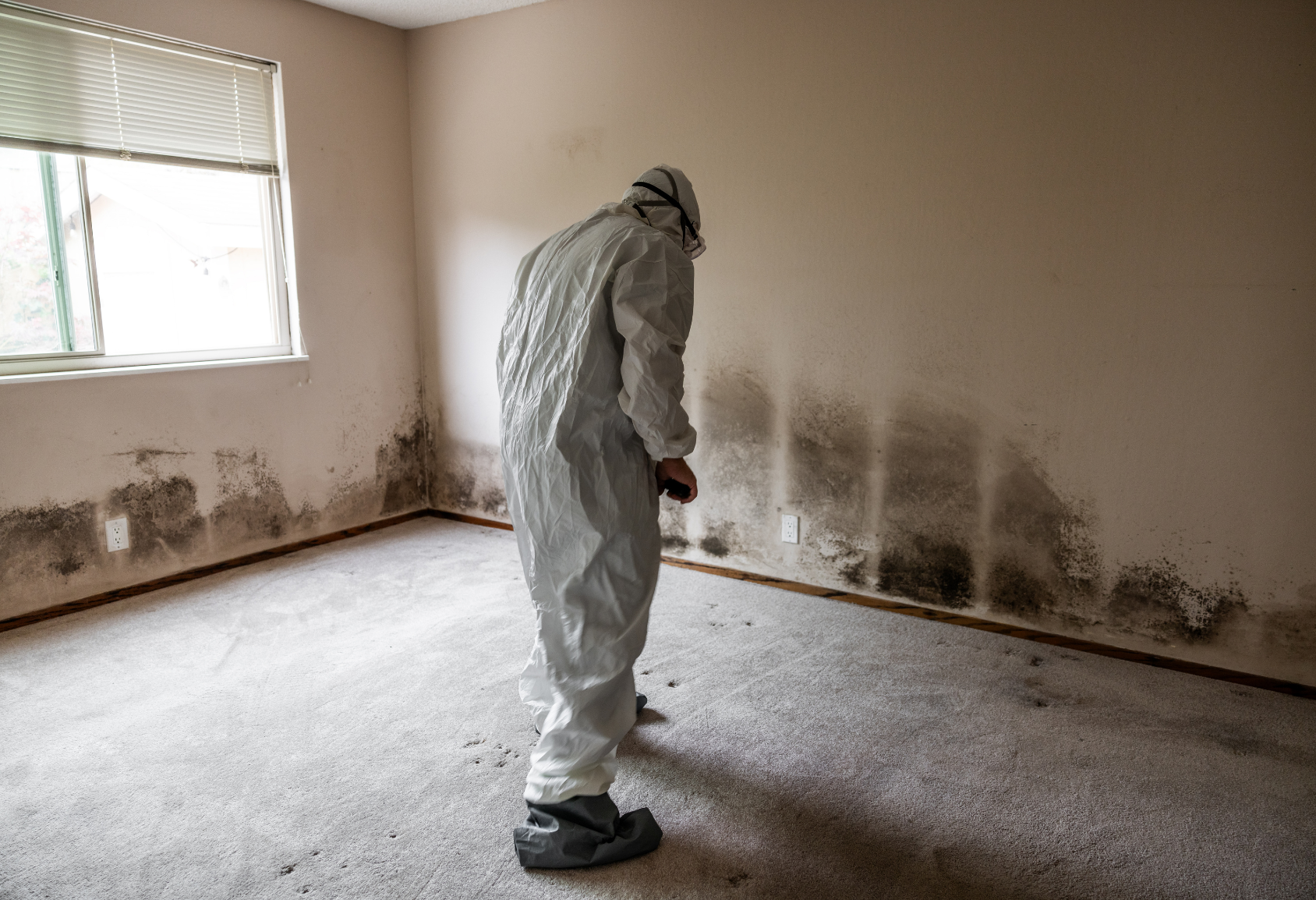
DIY cleanup can miss moisture behind walls, under flooring, inside insulation, and around baseboards. If the area is not dried correctly, mold can develop or return after the visible surface looks clean.
Call remediation contractors if you notice:
- Musty odors
- Water stains
- Wet drywall or insulation
- Mold spots larger than a small surface area
- Floodwater or sewage water
- A flooded basement
- Repeated leaks
- Moisture after storm damage
- Warped floors or soft walls
When a General Contractor Is Not the First Call
A general contractor may be helpful for rebuilding walls, flooring, trim, or structural finishes after the cleanup is complete. However, they may not provide moisture testing, containment, air filtration, emergency extraction, or mold remediation process documentation.
For active water or mold damage, a restoration company should usually come first.
When Professional Remediation Contractors Are the Best Choice
Professional remediation contractors are the right choice when the damage needs inspection, drying, cleaning, containment, or specialized equipment. They can help reduce risks before repairs begin.
Not sure if you need cleanup, drying, or repair? Start with our Water Damage Restoration Services or Mold Remediation Services for the right next step.
Trust Signals to Look for in a Restoration Company
The right restoration company should have experience, proper equipment, trained technicians, and a clear process. Since water and mold damage can affect your home’s structure and indoor environment, trust signals matter.
Look for remediation contractors with:
- Certified technicians
- Experience with water damage repair
- Experience with the mold remediation process
- Moisture detection tools
- Commercial-grade drying equipment
- Proper containment methods
- Clear written scope of work
- Before-and-after documentation
- Insurance claims support
- Local emergency response experience
- Transparent communication
- Strong customer reviews
- Safety-focused cleanup practices
Certifications and Training Matter
Certifications are important because they show that technicians have been trained to follow recognized restoration and remediation practices. Ask whether the company has certified technicians trained in water damage restoration, mold remediation, structural drying, and safe cleanup procedures.
Equipment Is Part of the Quality
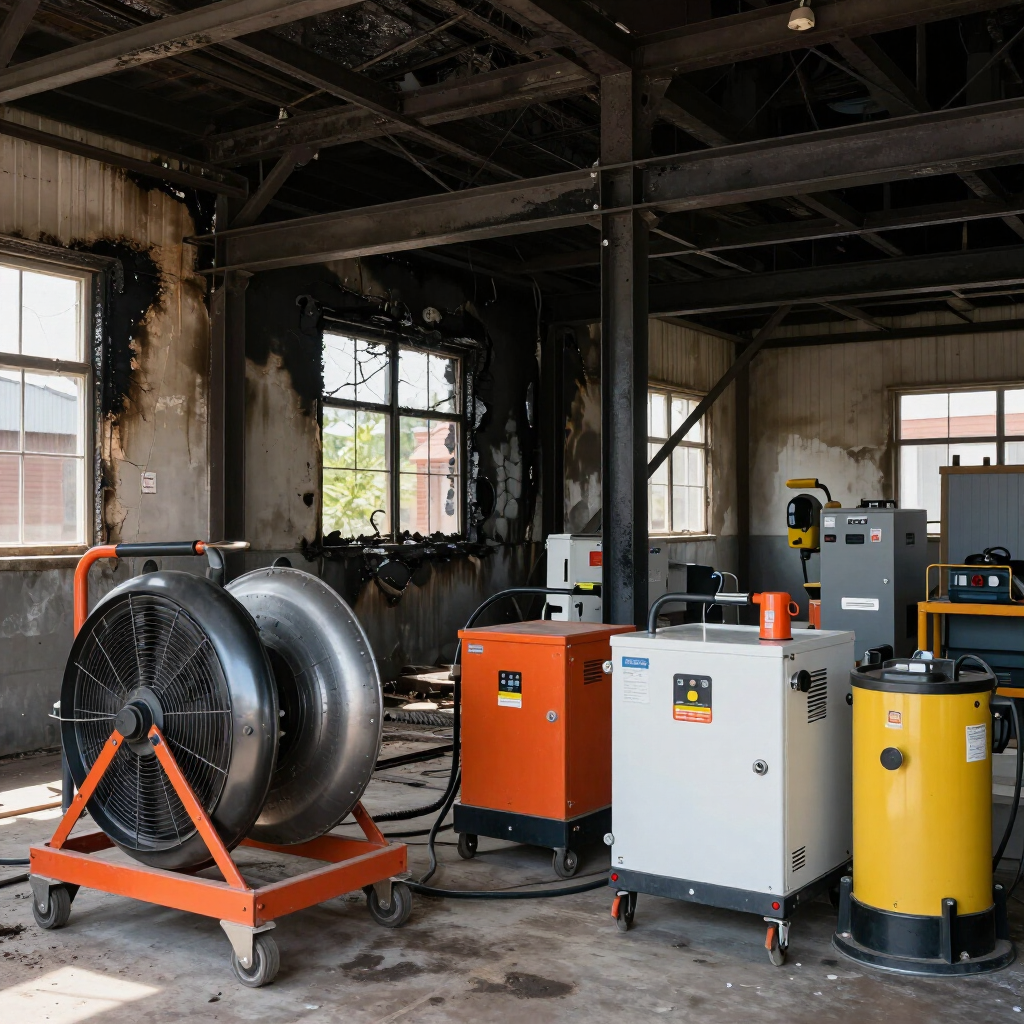
Professional remediation is not just labor. A qualified restoration company should use tools such as moisture meters, air movers, dehumidifiers, extraction equipment, containment barriers, air filtration devices, and sanitizing products when needed.
Documentation Helps Protect the Homeowner
Good documentation can help homeowners understand the damage and support the insurance process. A remediation company should be able to provide photos, moisture readings, repair notes, and a clear explanation of the work performed.
Questions to Ask Before Hiring Remediation Contractors
Before choosing a company, ask direct questions about experience, process, safety, and communication. The answers can help you avoid poor cleanup, hidden moisture, and incomplete repairs.
Ask these questions:
- Are your technicians certified or trained in water and mold remediation?
- Do you provide water damage repair and mold remediation services?
- How do you detect hidden moisture?
- What does your mold remediation process include?
- Do you use containment and air filtration when needed?
- Can you help with insurance claims support?
- Will you provide photos and documentation?
- How quickly can you respond to emergencies?
- Do you explain what materials need removal and why?
- Do you offer repair or rebuild support after remediation?
A trustworthy restoration company should answer clearly and explain the process without pressure.
Need a team that can explain the damage, document the work, and guide the next steps?
Contact Service Pro for professional remediation support.
How the Mold Remediation and Water Damage Repair Process Works
A good remediation process should be organized, documented, and based on the actual condition of the property. The goal is to stop moisture, remove damaged materials when needed, clean affected areas, and help prevent future problems.
Step 1: Inspection and Moisture Detection
The team checks visible and hidden areas to understand how far the damage has spread. Moisture readings help identify wet walls, flooring, trim, insulation, and structural materials.
Step 2: Containment and Safety Setup
For mold concerns, containment may be used to help limit the spread of spores during cleanup. Air filtration may also be used depending on the situation.
Step 3: Water Extraction and Drying
If water is present, emergency water extraction removes standing water. Then drying equipment is placed to reduce moisture inside affected materials.
Step 4: Mold Removal or Damaged Material Removal
Materials that cannot be safely cleaned may need to be removed. This can include damaged drywall, insulation, carpet padding, trim, or other affected materials.
Step 5: Cleaning, Sanitizing, and Deodorizing
After removal and drying, affected areas may be cleaned, sanitized, and deodorized. The exact treatment depends on the source of the water and the level of contamination.
Step 6: Repairs and Insurance Documentation
Once remediation is complete, the property may need repairs. Insurance claims support may include photos, moisture readings, notes, and documentation of the work performed.
Internal links: Learn more about our
Mold Remediation Services and
Water Damage Restoration Services
Final Thoughts: Choose Remediation Contractors Before Damage Spreads
Water and mold damage should not be handled with guesswork. The right remediation contractors can identify hidden moisture, complete proper water damage repair, follow a safe mold remediation process, and provide documentation for insurance claims support.
Choose a restoration company that communicates clearly, uses certified technicians, explains the scope of work, and helps protect your property from future problems.
Need professional help today? Request service from Service Pro through our
Water Damage Restoration Services or
Mold Remediation Services.
FAQs About Remediation Contractors
How do I know if I need remediation contractors?
You may need remediation contractors if you have standing water, hidden moisture, mold growth, musty odors, wet drywall, a flooded basement, storm damage, or water damage that has spread beyond a small surface area.
What certifications should remediation contractors have?
Look for certified technicians trained in water damage restoration, structural drying, mold remediation, containment, and safe cleanup practices. Certifications help show that the team follows professional remediation standards.
Can remediation contractors help with insurance claims?
Many restoration companies provide insurance claims support by documenting damage, taking photos, recording moisture readings, and explaining the scope of work. Coverage depends on your policy and the cause of the damage.