What Homeowners Should Know About Water Damage Insurance Claims
ServicePros Cleaning & Restoration helps homeowners in Maryland, Washington D.C., and Virginia understand the cleanup and documentation process so they can move from emergency response to property restoration with more confidence.

Step 1: Protect Safety Before Touching the Damage
Before thinking about the insurance process, focus on safety. Water near outlets, appliances, electrical panels, sagging ceilings, or soaked flooring can create serious risks. Avoid entering affected areas if the water may be contaminated or if building materials look unstable.
This step matters because water damage is not only a property issue. Damp materials, contaminated water, and hidden moisture can affect indoor conditions, especially if cleanup is delayed. If mold appears or musty odors develop,
learn more about our Mold Remediation Service.
Step 2: Document What You Can See
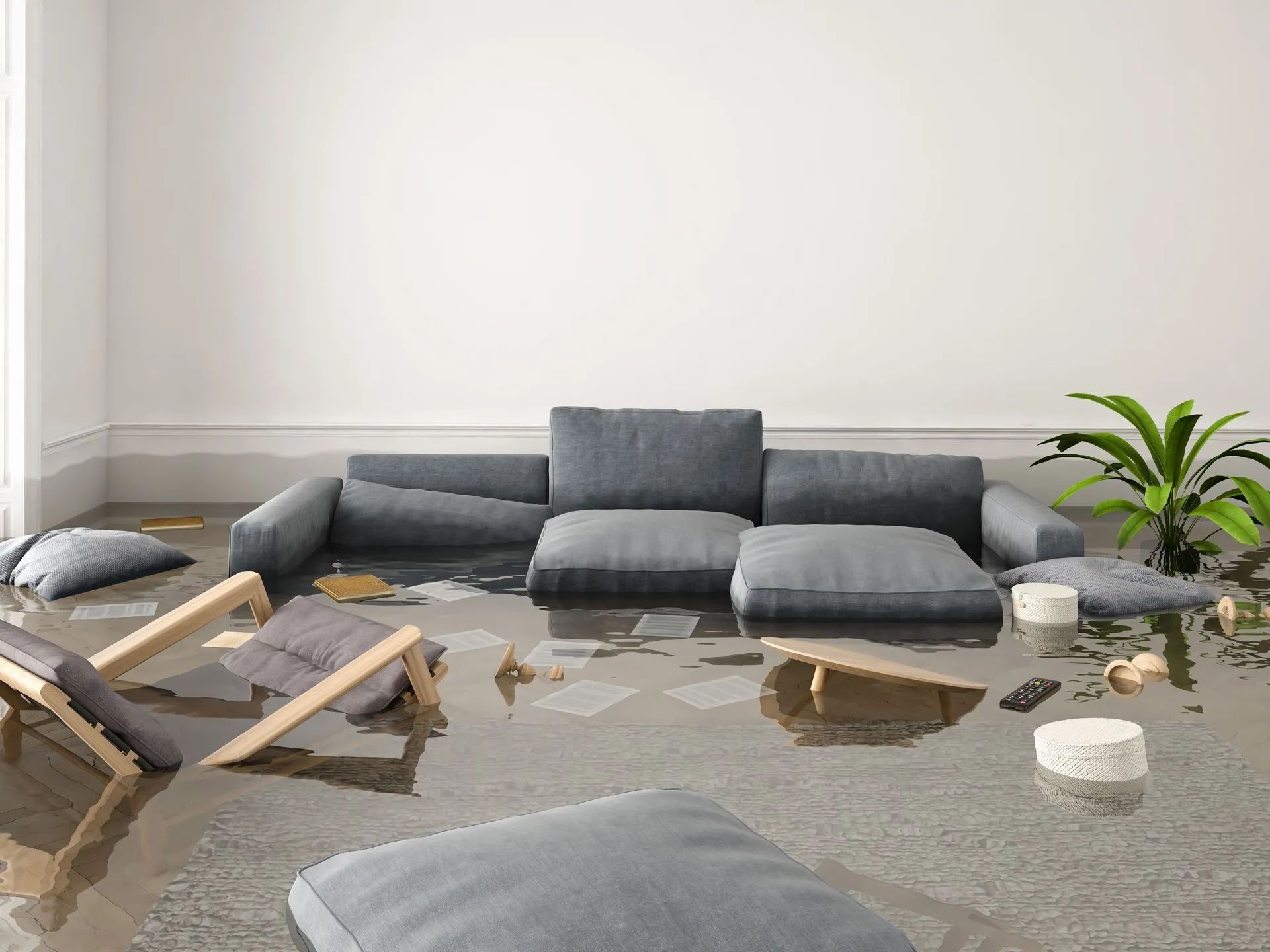
Photos and videos can help show what happened before cleanup begins. Capture standing water, stained walls, wet flooring, damaged belongings, ceiling leaks, baseboard swelling, and any visible source of the water.
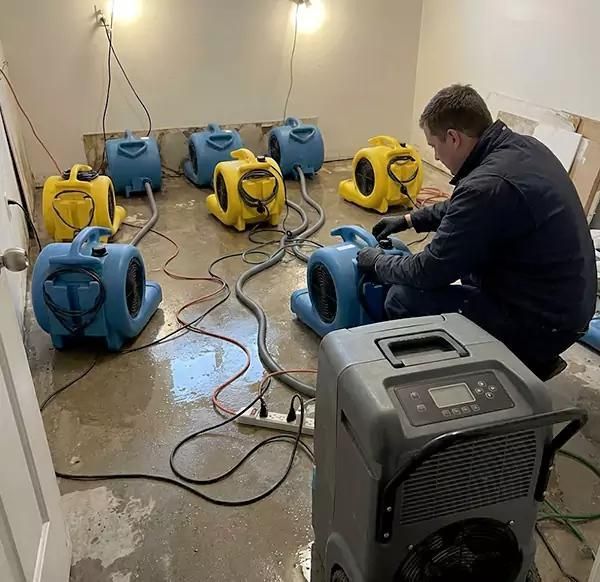
Good documentation may support insurance restoration by showing the condition of the property early. ServicePros can also document affected materials, moisture readings, cleanup steps, and drying progress during the restoration process.
Step 3: Start Emergency Cleanup Quickly
Insurance questions are important, but waiting too long to begin cleanup can allow moisture to spread. Water can move under flooring, behind drywall, into insulation, and through wall cavities before the damage is fully visible.
Emergency cleanup helps reduce the chance of odors, material swelling, mold risk, and more complicated repairs. If the damage involves flood damage, basement water, or storm-related water entry, fast extraction and drying can make a major difference.
Call ServicePros for fast water cleanup before hidden moisture becomes a larger repair problem.
Step 4: Understand the Health and Mold Risk
Water damage can create health-related concerns when damp materials are left untreated. Musty odors, humidity, contaminated water, or mold growth can affect how safe and comfortable the home feels.
Professional water damage restoration looks beyond the visible water. ServicePros checks for moisture in walls, floors, trim, and enclosed spaces so mold prevention can be part of the recovery plan. If mold is spreading, returning, or connected to recent water damage, request help through the Emergency Mold Remediation Service.
Step 5: Know What Insurance May Ask For
Every policy is different, but homeowners are often asked for basic details about the cause, timing, affected rooms, damaged materials, and cleanup actions taken. Clear notes can help keep the process organized.
Useful information may include:
- Date and time the damage was discovered
- Suspected source of the water
- Photos or videos of affected areas
- List of damaged materials or belongings
- Restoration documentation and service notes
ServicePros helps homeowners stay organized with practical field documentation, licensed and insured service, and labor warranties for added peace of mind.
Step 6: Move From Claim Support to Restoration
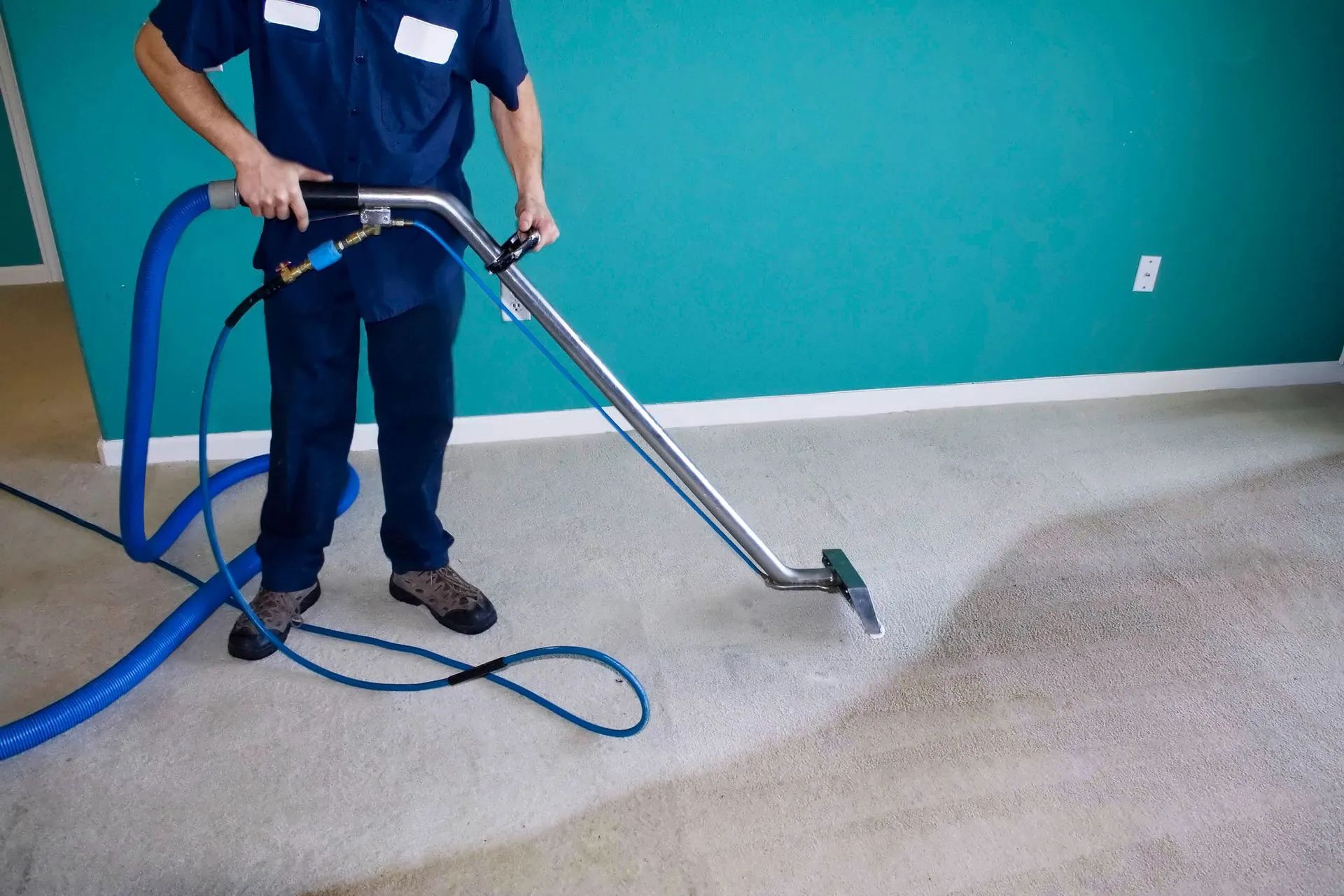
After the emergency phase, the property may need drying, cleaning, removal of damaged materials, or repairs. Property restoration should happen in the right order: stop the source, remove water, dry affected materials, document the work, and repair only when the area is stable.
Repairs should not begin too soon. Closing walls or replacing finishes over damp materials can lead to recurring odors, stains, mold growth, and future claim complications.