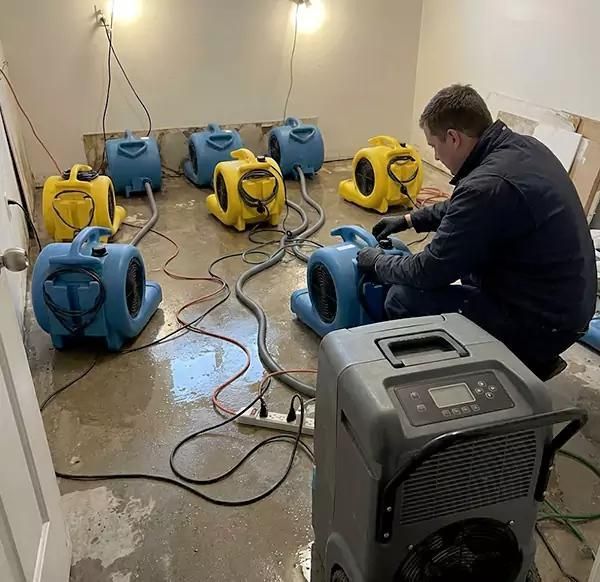
How Structural Drying Helps Prevent Secondary Damage

Service Pros • June 19, 2026

Why Structural Drying Matters After Water Damage

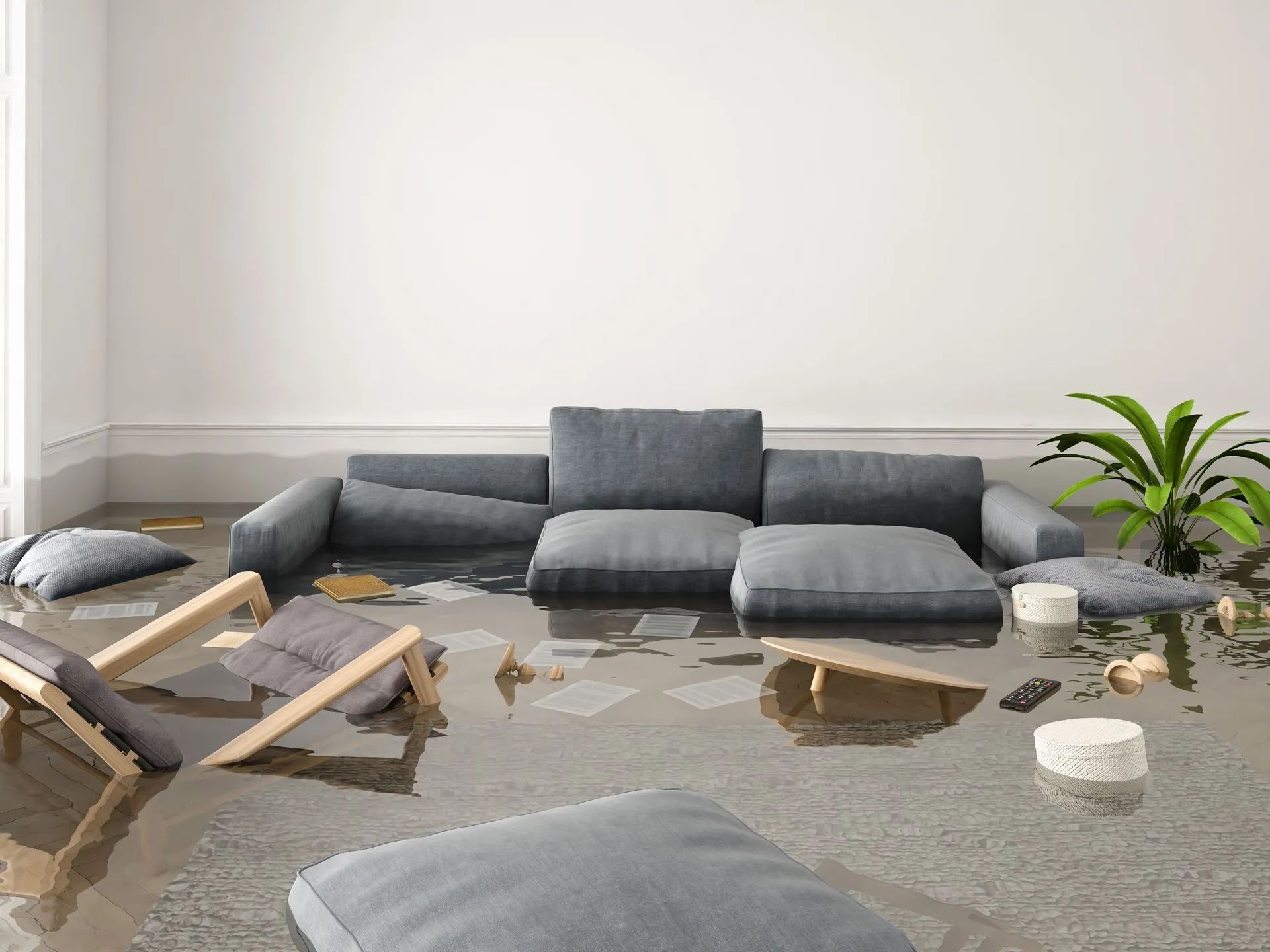
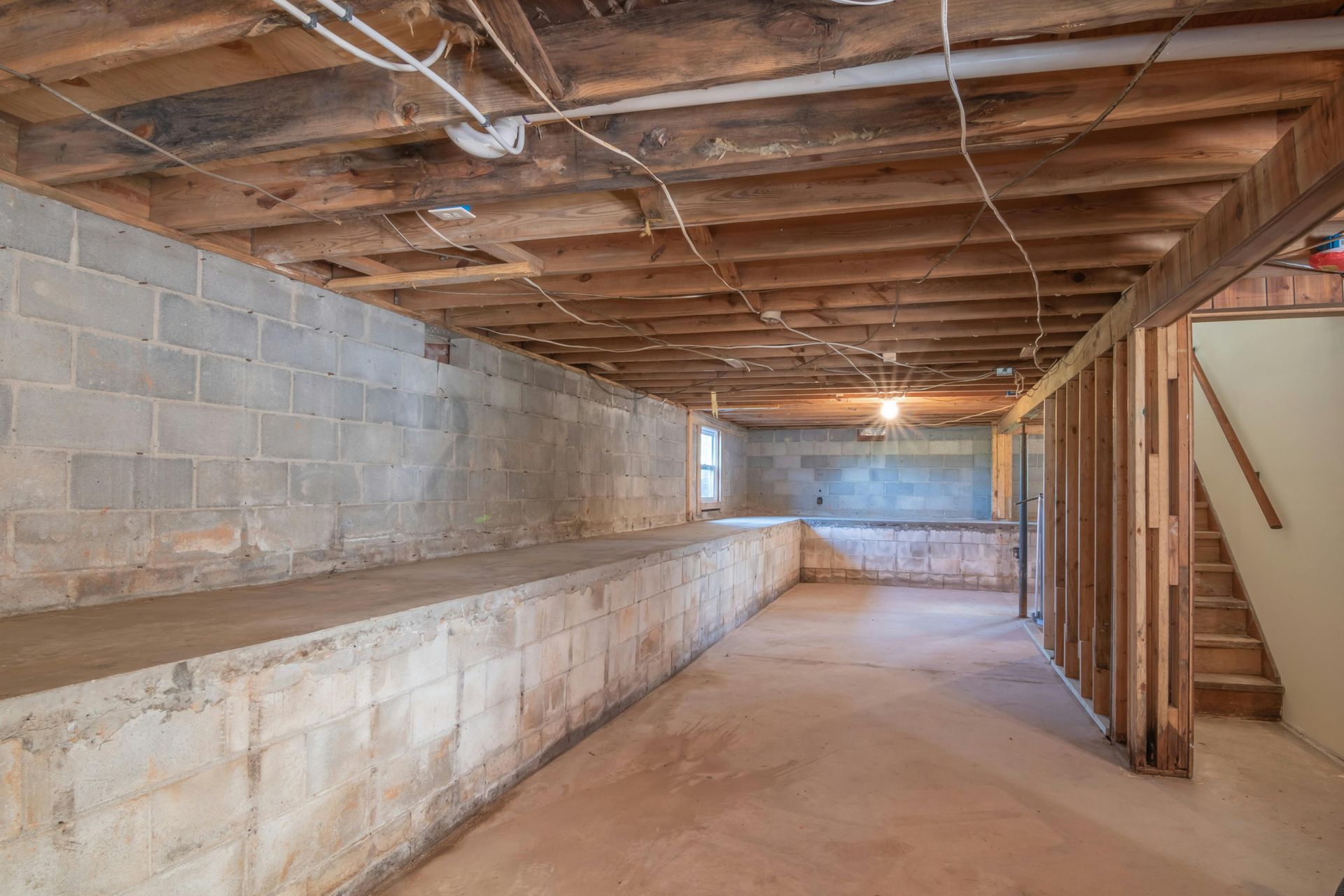
Water can travel farther than it first appears. A small wet area may spread behind baseboards, under flooring, into drywall, or through ceiling materials. In finished basements, crawl spaces, rowhomes, older properties, and commercial spaces, moisture can stay trapped long after the visible water is gone.

This is why water damage restoration should include moisture evaluation, not only cleanup. ServicePros uses practical field assessment to understand what materials are affected and whether deeper drying is needed before repairs begin.

For broader water-related damage, learn more about our Water Damage Restoration Service.

What Happens During the Drying Process

The drying process begins with identifying the source and checking how far the water moved. ServicePros may inspect walls, floors, trim, insulation, humidity levels, and hidden cavities to understand where moisture removal is needed.

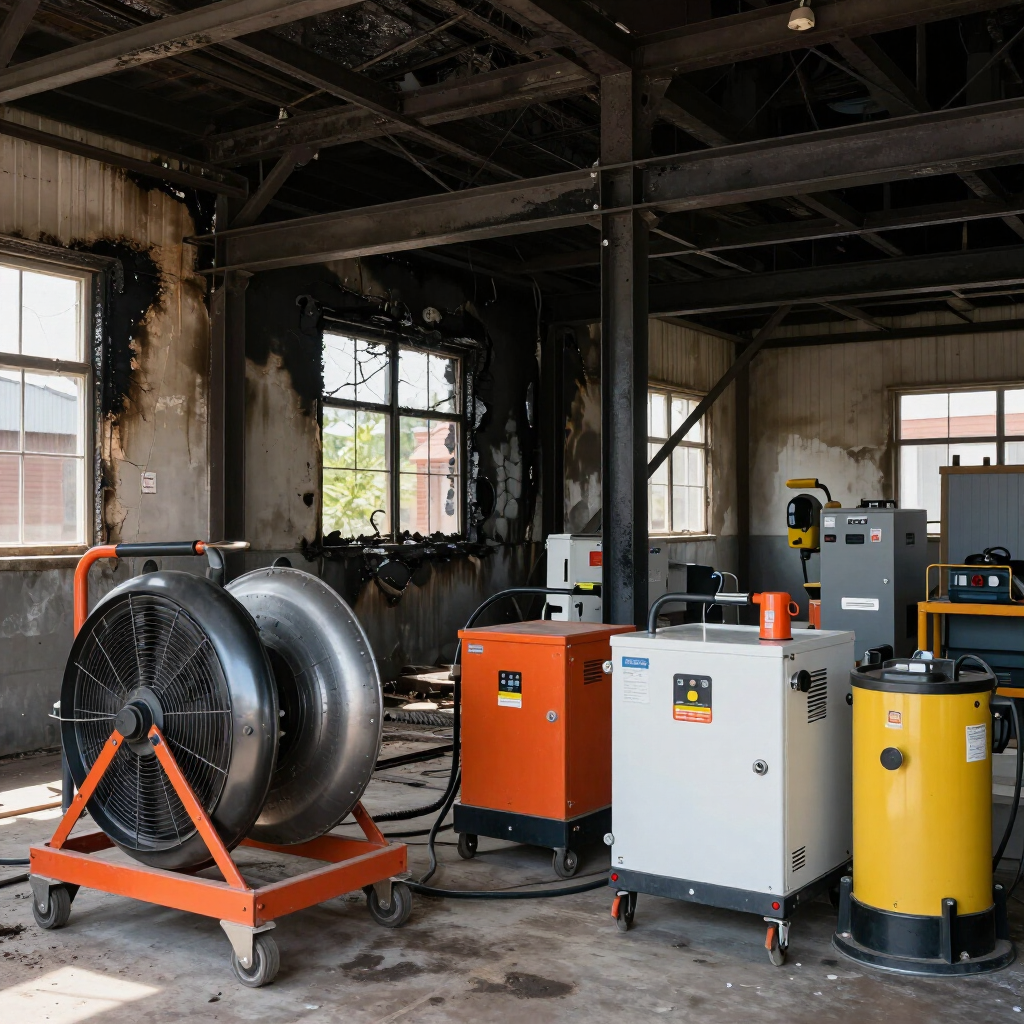
Depending on the situation, drying may involve controlled airflow, dehumidification, moisture monitoring, selective material removal, and ongoing checks until the affected area is stable. For urgent water removal before drying begins, ServicePros can guide property owners through Emergency Water Extraction Service.

When Emergency Drying Is Needed

Emergency restoration may be needed when water enters quickly or affects materials that can absorb moisture fast. This can happen after burst pipes, storm runoff, appliance leaks, sump pump failures, roof leaks, or sewage-related water entry.

Fast drying is especially important when water reaches drywall, carpet padding, wood flooring, insulation, or lower-level rooms. The sooner moisture is controlled, the easier it is to reduce hidden damage and protect the next phase of property restoration.

If water has reached walls, flooring, or insulation, call ServicePros before hidden moisture becomes a bigger repair problem.

Glossary: Key Drying and Restoration Terms

Structural drying: The controlled process of drying building materials such as walls, floors, framing, and other affected areas.

Moisture removal: The work of reducing water held in materials and indoor air after a leak, flood, or storm event.

Mitigation: The urgent steps used to limit damage and keep the problem from spreading.

Dehumidification: The use of equipment to reduce excess moisture in the air and support material drying.

Restoration: The larger recovery process that may include cleanup, drying, repair planning, and rebuilding.

How ServicePros Supports the Full Recovery

Drying is one part of a larger restoration plan. Once the property is dry and stable, damaged drywall, flooring, trim, insulation, or finishes may need repair. Repairs should not begin too early because rebuilding over damp materials can lead to recurring odors, stains, and mold concerns.

ServicePros provides licensed and insured service, practical moisture evaluation, and labor warranties for added peace of mind. The team helps property owners understand what needs drying, what can be saved, and when the property is ready for the next step.

Need a drying and restoration plan? Contact ServicePros for support from cleanup through repair planning.

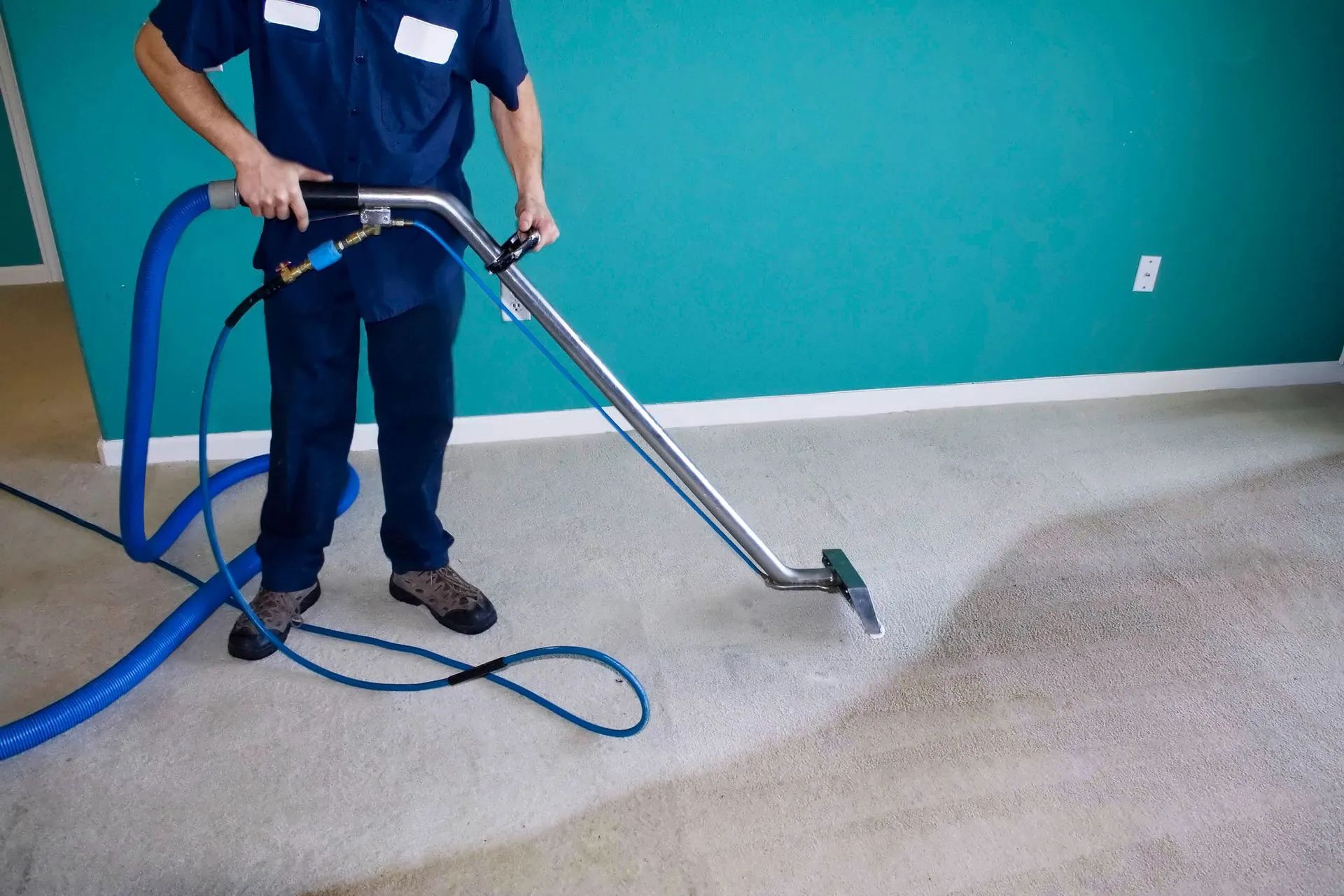
Person cleaning carpet with a professional machine in a room with teal walls.
By Service Pros June 27, 2026
Before thinking about the insurance process, focus on safety. Water near outlets, appliances, electrical panels, sagging ceilings, or soaked flooring can create serious risks. Avoid entering affected areas if the water may be contaminated or if building materials look unstable. This step matters because water damage is not only a property issue. Damp materials, contaminated water, and hidden moisture can affect indoor conditions, especially if cleanup is delayed. If mold appears or musty odors develop, learn more about our Mold Remediation Service .
By Service Pros June 15, 2026
Learn the common causes of commercial water damage in offices, retail spaces, and warehouses, plus when to call ServicePros.