Common Causes of Commercial Water Damage

Service Pros • June 15, 2026

Plumbing Leaks and Pipe Failures

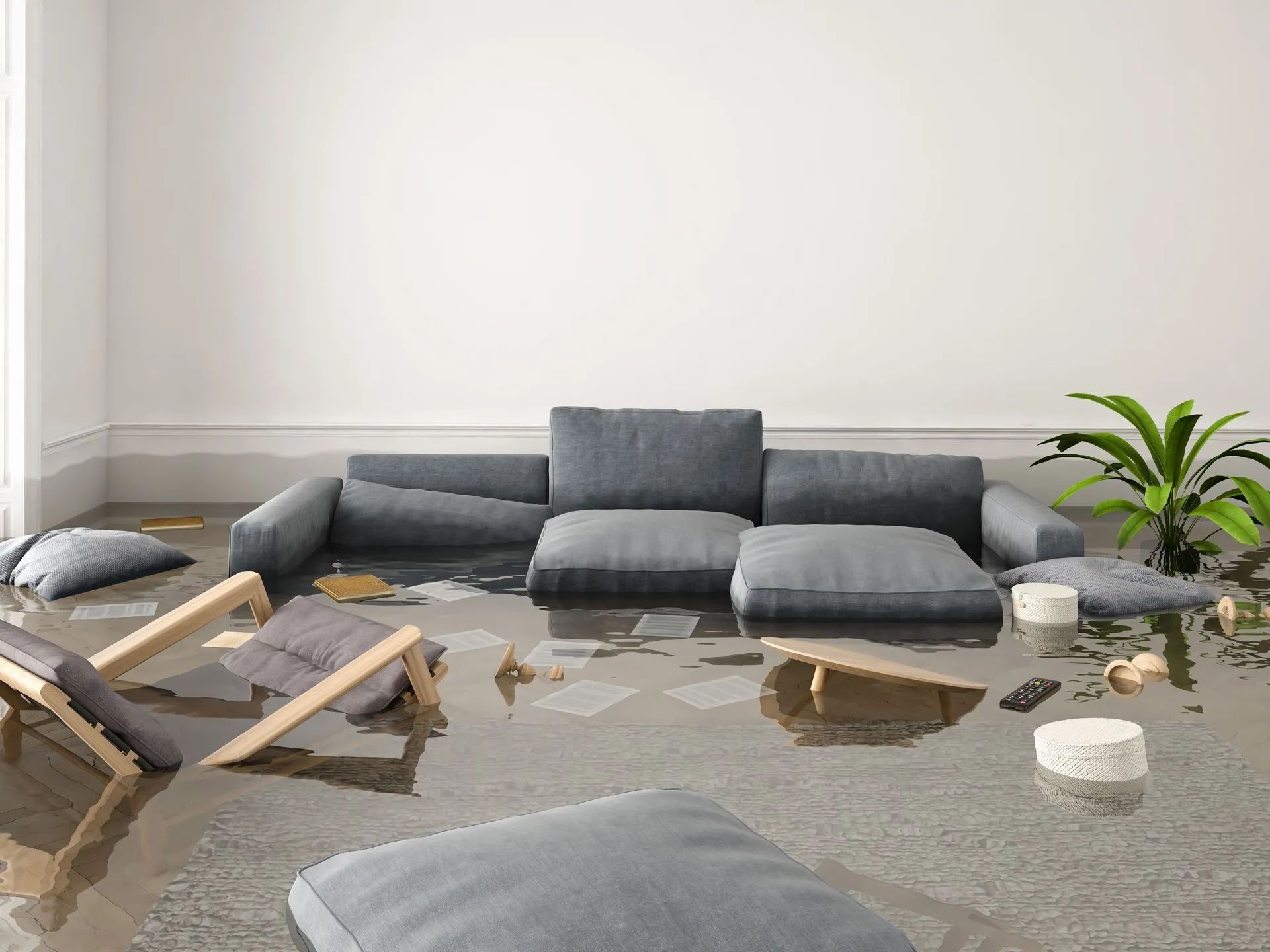
Plumbing issues are one of the most common sources of damage in commercial buildings. A leaking supply line, restroom pipe, water heater, or utility connection can release water into walls, floors, and nearby work areas before anyone notices.

The challenge is that business properties often have hidden plumbing runs, shared restrooms, mechanical rooms, and ceiling spaces. ServicePros checks the visible damage and the surrounding materials to understand how far the water traveled and whether water mitigation is needed before repairs begin.

Offices: Ceiling Leaks and Shared Systems

Office buildings often deal with leaks from roof systems, HVAC units, restrooms, break rooms, and overhead plumbing. Water may first appear as ceiling stains, damp carpet tiles, musty odors, or bubbling paint.

These signs should not be ignored. Moisture can move under carpet squares, into drywall, or around electrical and data areas. For active leaks or wet materials, ServicePros can help reduce downtime through the Water Damage Restoration Service.

Retail: Inventory and Customer Areas

Retail spaces are especially vulnerable because water damage can affect sales floors, displays, storage rooms, and customer access. A small leak near a stockroom or checkout area can quickly become a business interruption restoration concern if products, flooring, or walkways are affected.

Fast emergency cleanup helps protect usable areas, separate damaged materials, and document the condition of affected inventory or surfaces. ServicePros helps owners decide what needs immediate attention and what can be addressed after the space is stabilized.

Need help protecting your retail space after water damage? Call ServicePros for inspection, cleanup, and drying support.

Warehouses: Large Areas and Hidden Moisture

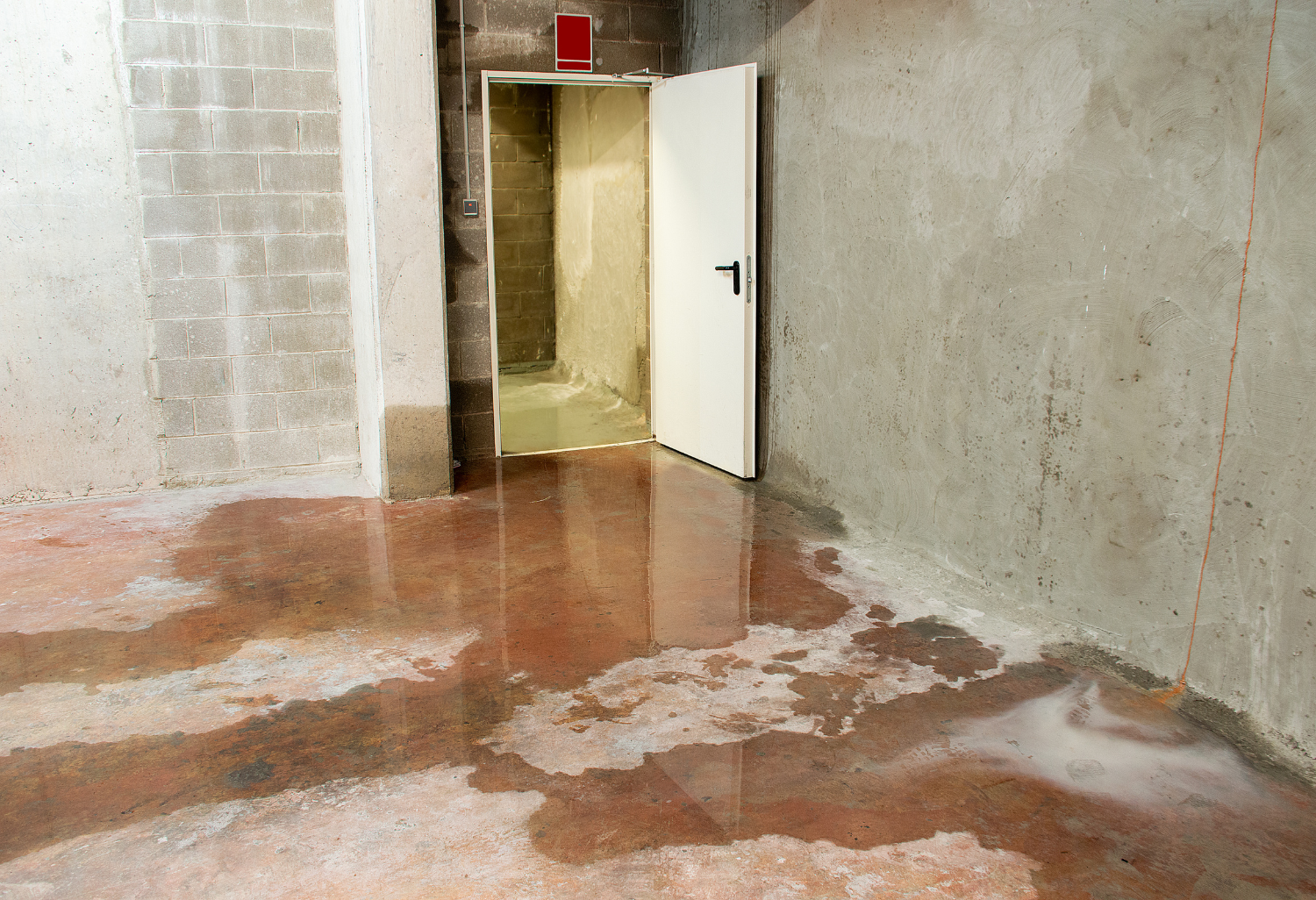
Warehouses can experience water intrusion from roof leaks, loading dock drainage, pipe breaks, sprinkler discharge, or storm runoff. Because these spaces are larger, water can spread across concrete, stored materials, equipment zones, and wall edges before the full impact is clear.

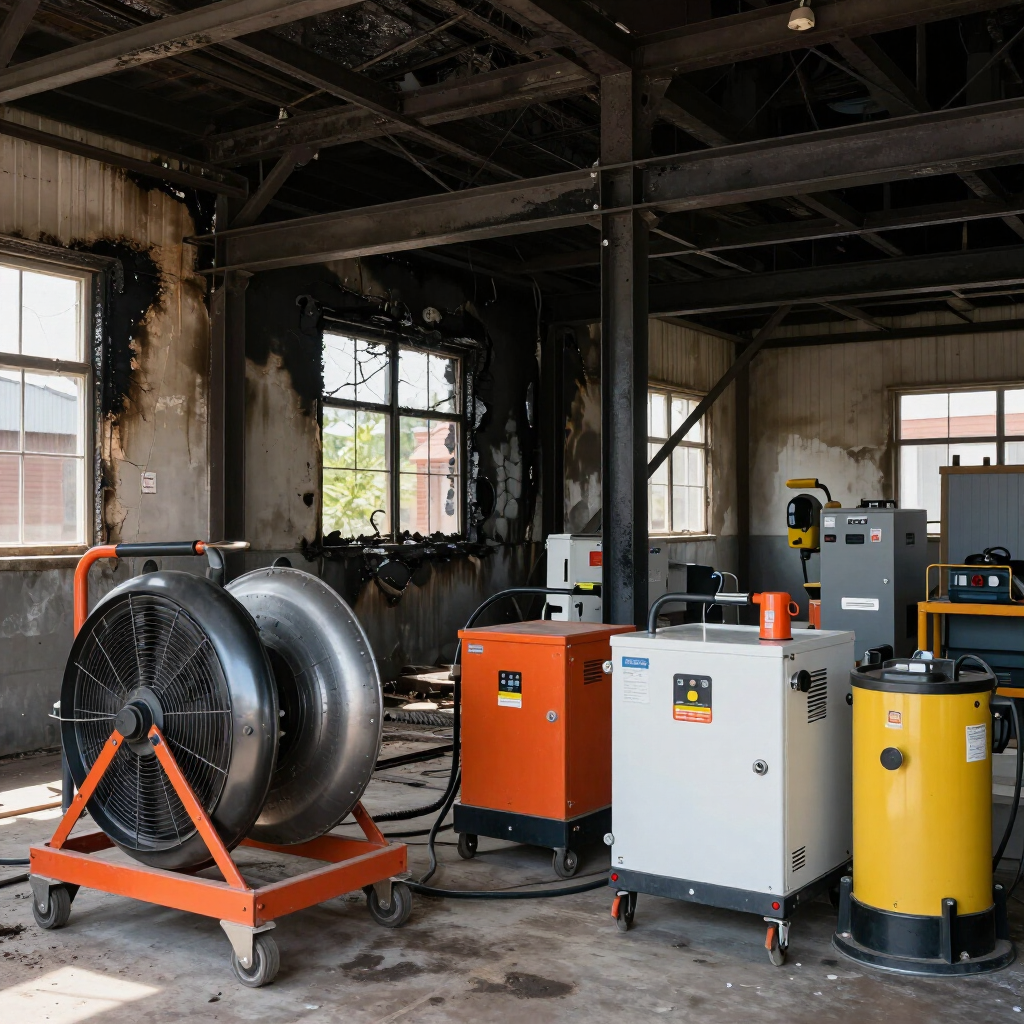
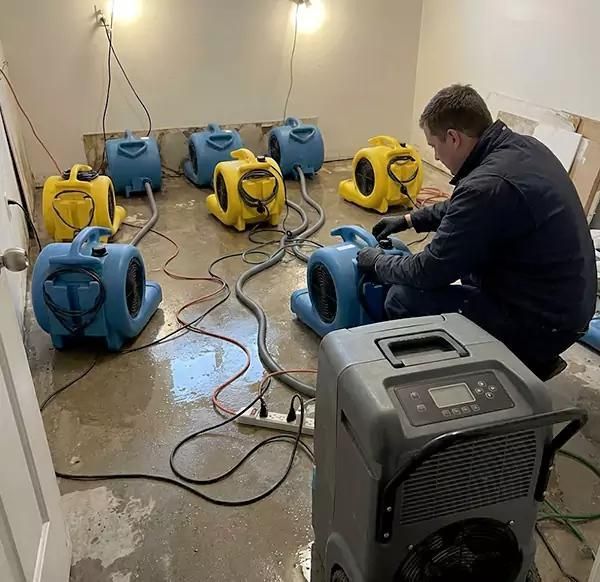
Structural drying may be needed when moisture reaches walls, insulation, stored goods, or enclosed areas. ServicePros evaluates the affected space and helps create a drying plan that supports safer property restoration.

Storms, Roof Issues, and Drainage Problems

Heavy rain can overwhelm roof drains, gutters, downspouts, exterior grading, and entry points around doors or loading areas. In the Mid Atlantic region, sudden storms can expose weak points in older commercial buildings and mixed-use properties.

If water enters from outside, the source needs to be addressed along with the interior cleanup. ServicePros provides licensed and insured service, practical field evaluation, and labor warranties for added peace of mind.

Schedule commercial water damage support before moisture creates larger repair or business interruption problems.

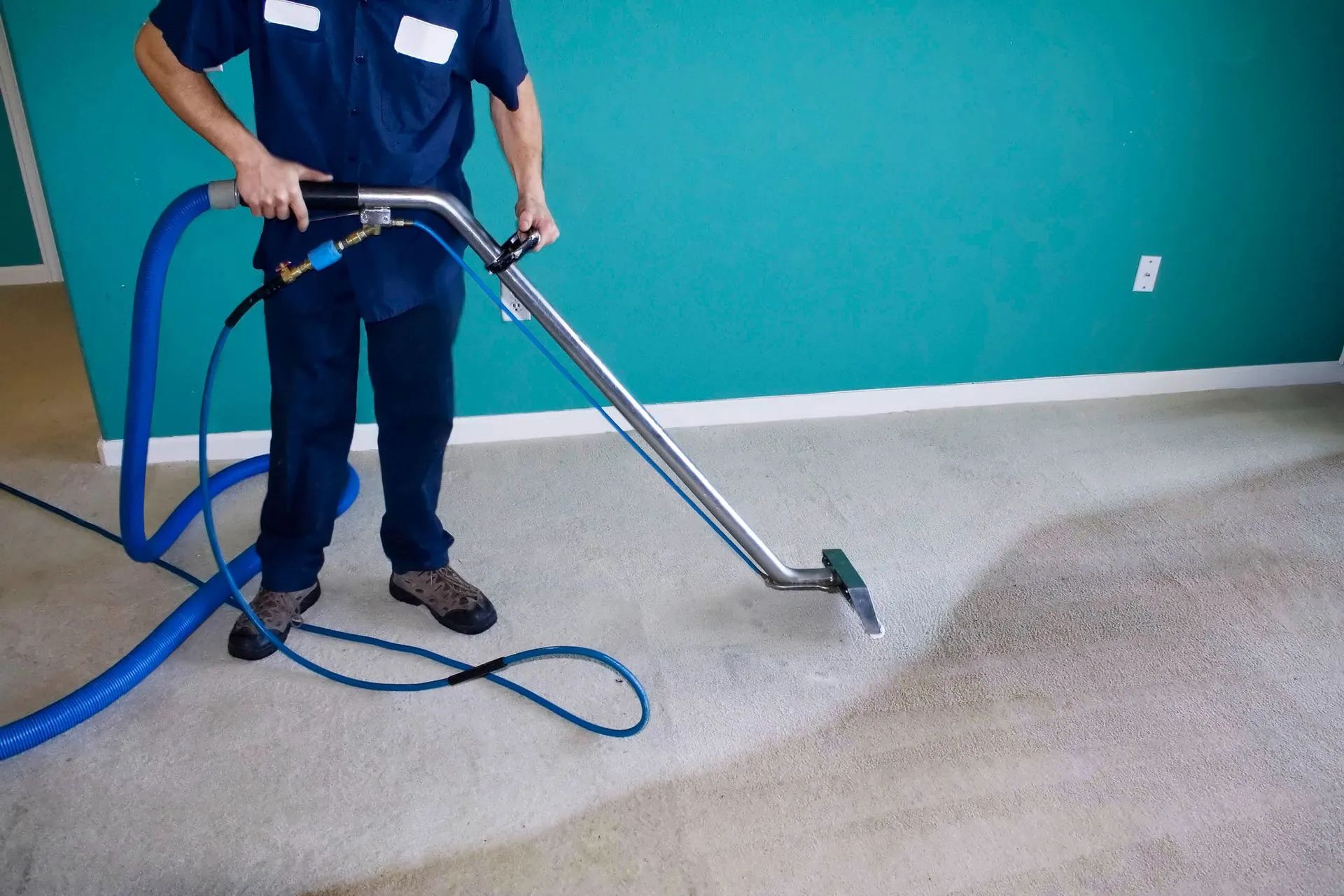
Person cleaning carpet with a professional machine in a room with teal walls.
By Service Pros June 27, 2026
Before thinking about the insurance process, focus on safety. Water near outlets, appliances, electrical panels, sagging ceilings, or soaked flooring can create serious risks. Avoid entering affected areas if the water may be contaminated or if building materials look unstable. This step matters because water damage is not only a property issue. Damp materials, contaminated water, and hidden moisture can affect indoor conditions, especially if cleanup is delayed. If mold appears or musty odors develop, learn more about our Mold Remediation Service .
By Service Pros June 19, 2026
Learn how structural drying helps prevent hidden moisture, mold risk, odors, and material damage after water enters a property.