What Happens During the Fire Damage Restoration Process?
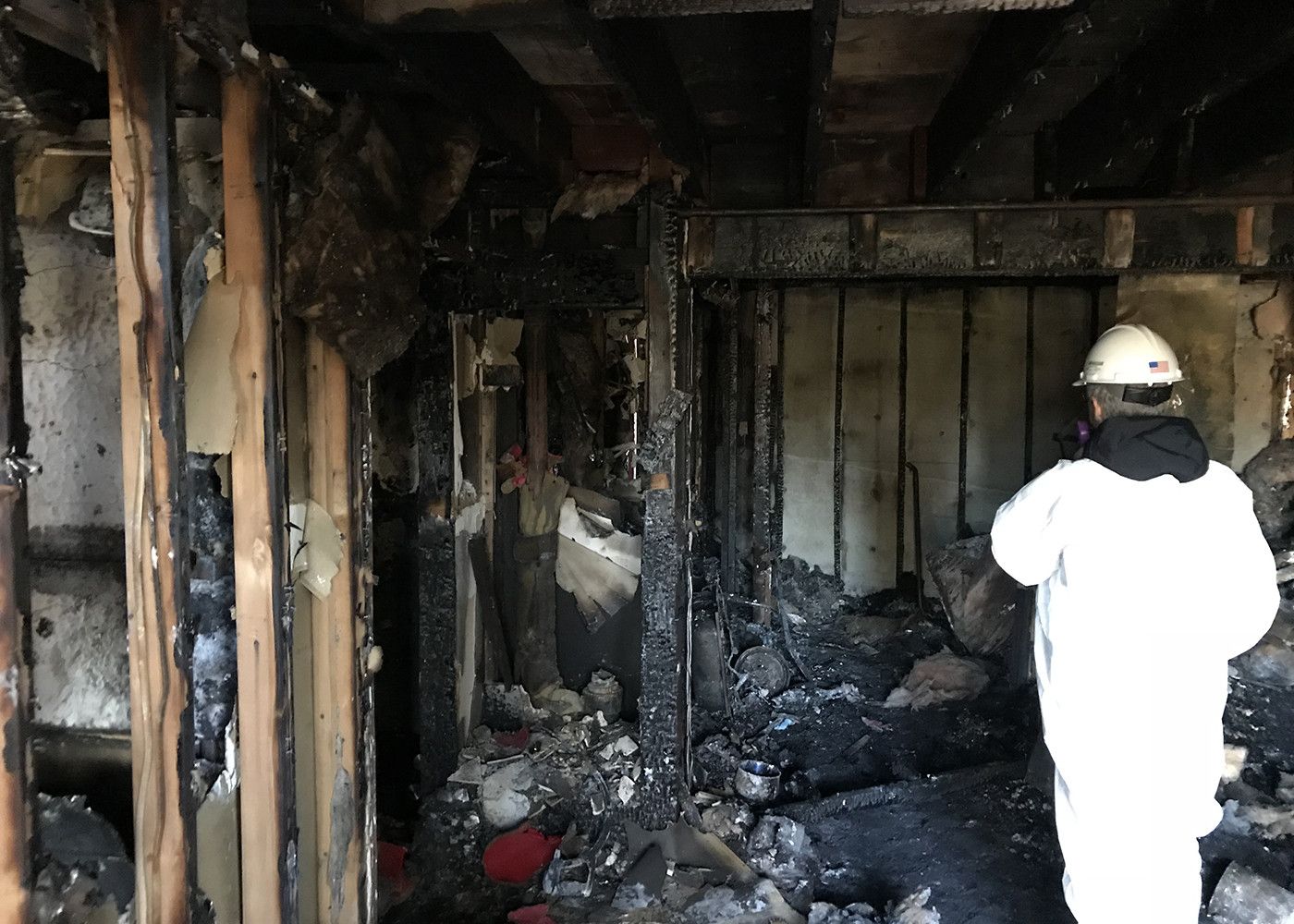
Fire damage restoration begins with safety, damage assessment, smoke and soot control, cleanup, drying when water was used, and repair planning. After a fire, the visible damage is only part of the problem. Smoke particles, odors, moisture from firefighting efforts, and weakened materials can continue affecting the property long after the flames are out.
For homeowners, business owners, and property managers in Maryland, Washington D.C., and Virginia, fast action can help reduce secondary damage and make the recovery process easier to manage.
Need help after a fire? Contact ServicePros Cleaning & Restoration for fast damage assessment and cleanup support.
Step 1: Identify Why You Are Concerned About Mold
The first step after a fire is making sure the property is safe to enter. Fire can weaken ceilings, walls, flooring, electrical systems, and framing. Even areas that look untouched may have smoke residue, water damage, or unsafe air conditions.
ServicePros helps property owners understand which areas need immediate attention before cleanup begins. This early assessment helps prevent rushed decisions that could expose people to soot, odor, debris, or unstable materials.
Step 2: Understand How Damage Changes Over Time
Fire damage is time-sensitive. In the first few hours, smoke odor can begin settling into walls, fabrics, furniture, and other porous materials. Even rooms that were not directly touched by flames may start absorbing smoke residue, which can make odors harder to remove later.
After the first day, soot can begin staining surfaces and affected materials may hold onto odors more deeply. This is when smoke damage cleanup becomes especially important because residue can continue spreading through vents, cabinets, closets, and nearby rooms.
By 48 hours, moisture from firefighting efforts may create additional problems. Water from hoses or sprinklers can soak into drywall, flooring, insulation, trim, and other building materials. If that moisture is not addressed, mold risk, staining, and lingering odor concerns can increase.
After several days, the restoration process can become more complex. Smoke residue, soot, debris, and damp materials may require more detailed cleaning, drying, and removal before repairs can begin. This is why emergency restoration should begin as soon as the property is safe.
ServicePros evaluates visible fire damage, smoke movement, water exposure, and materials that may need removal or cleaning so the property can move toward cleanup and repair with a clear plan.
Request emergency fire cleanup support before smoke and moisture damage spread.
Step 3: Remove Soot, Smoke Residue, and Debris
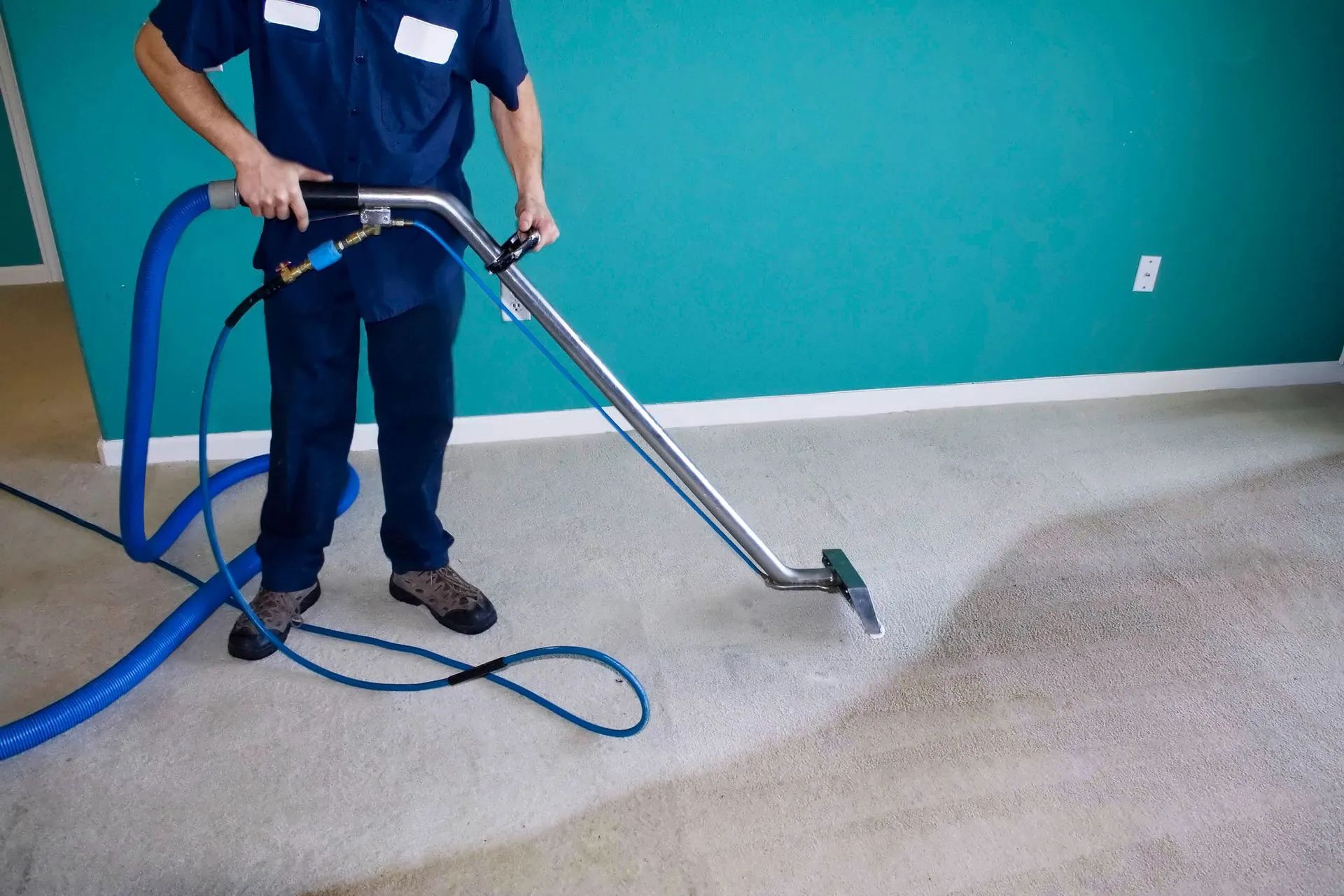
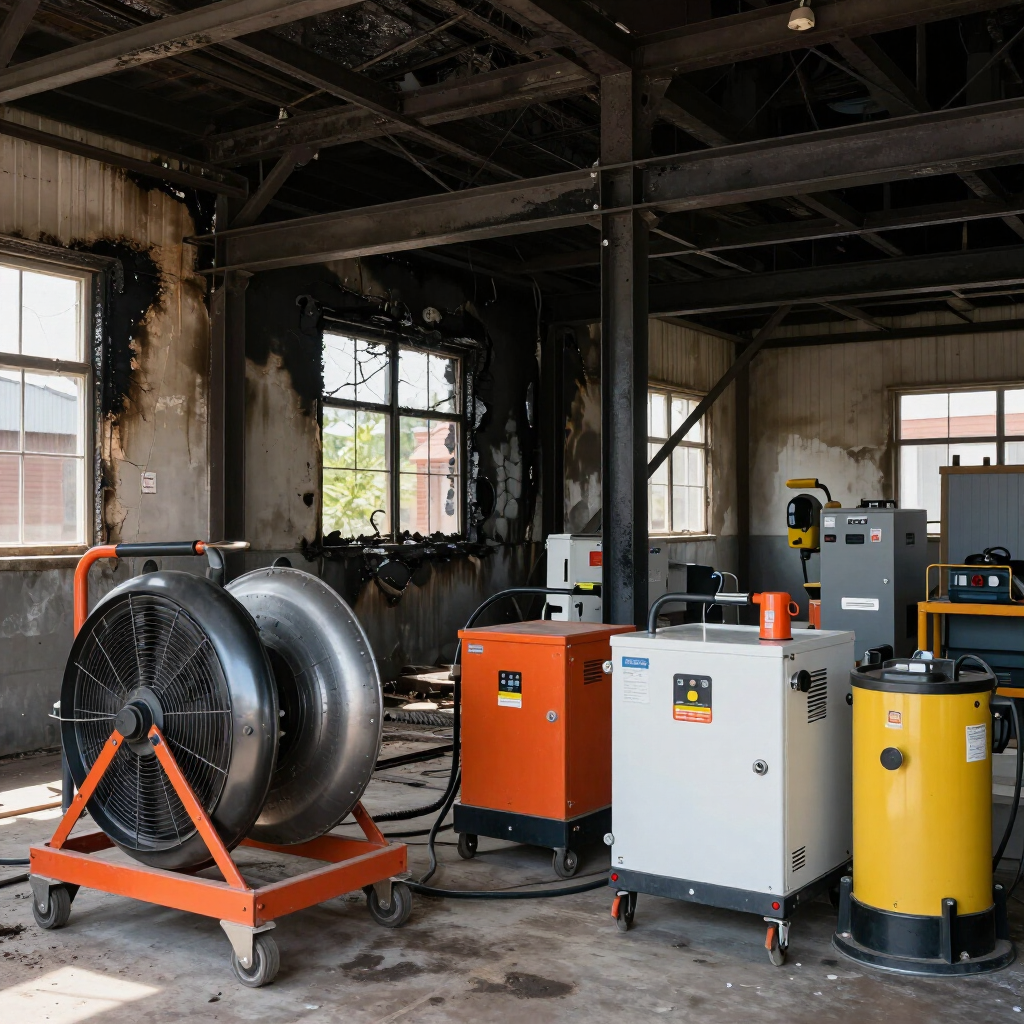
After the property is stable, the cleanup phase begins. Smoke damage cleanup may involve removing debris, cleaning affected surfaces, addressing odor sources, and separating items that can be cleaned from those that may not be salvageable.
Soot can travel farther than the fire itself. It may settle inside cabinets, closets, vents, ceiling corners, and rooms away from the source. A restoration company should look beyond the burned area to understand how smoke moved through the property.
Step 4: Address Water and Moisture Left Behind
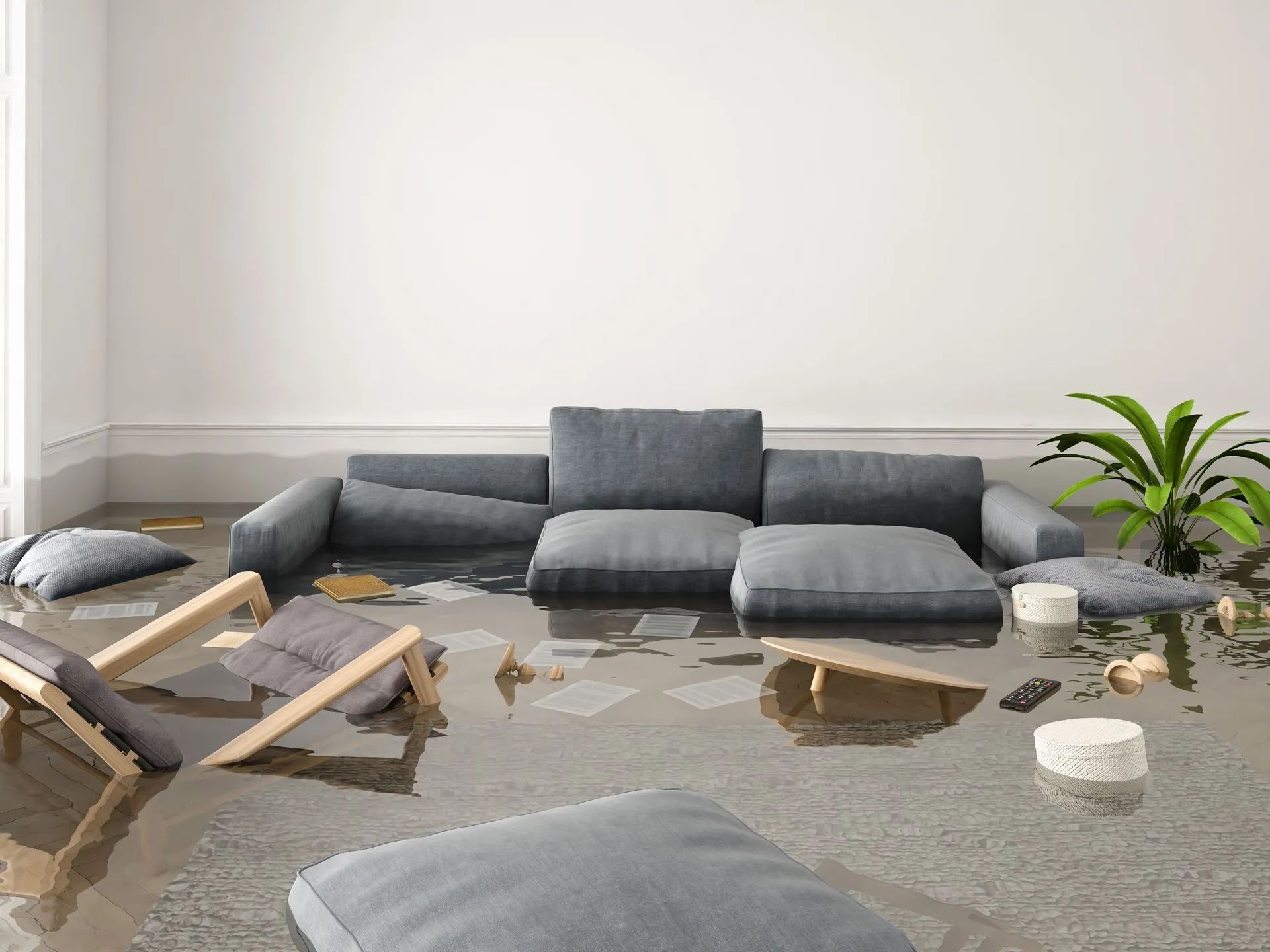
Many fire-damaged properties also have water damage from sprinklers, hoses, or suppression efforts. That moisture can soak into flooring, drywall, insulation, trim, and subflooring.
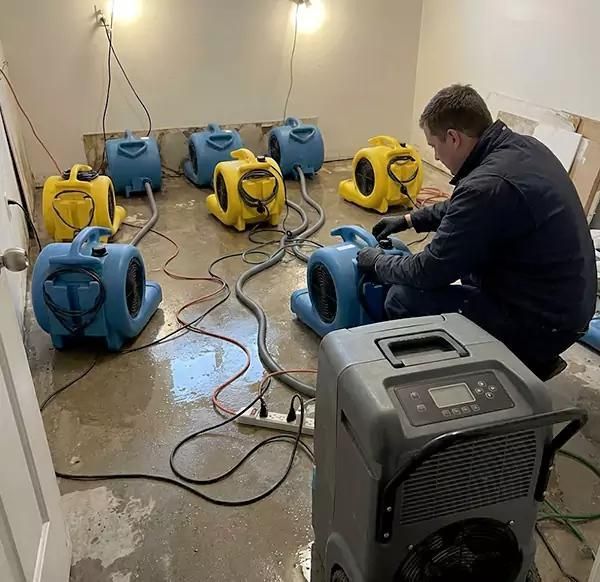
If water remains trapped, the property may develop odors, staining, or mold concerns. ServicePros may use moisture checks, drying equipment, and controlled airflow before repairs begin. This helps support a safer and more complete property restoration plan.
Step 5: Clean, Dry, and Prepare for Repairs
Once debris, soot, odor, and moisture concerns are addressed, the space can move toward repair planning. This may include structural cleaning, removal of damaged materials, odor treatment, and preparation for drywall, flooring, trim, paint, or other repairs.
Repairs should not happen before the space is clean, dry, and stable. Rebuilding too soon can trap odors, moisture, or residue inside the property and create problems later.
Call ServicePros for fire cleanup, drying, odor control, and repair planning after property damage.
When to Call ServicePros
Call ServicePros after any fire that leaves soot, smoke odor, water damage, stained surfaces, damaged drywall, or unsafe debris. Even a small fire can affect air quality, nearby rooms, and hidden materials.
ServicePros provides licensed and insured service, practical field evaluation, and labor warranties for added peace of mind. The goal is to help property owners move from emergency response to cleanup and restoration with a clear plan.