Mold Testing vs Mold Remediation: Understanding the Difference
Mold testing helps confirm whether mold may be present, while mold remediation focuses on correcting the problem that is allowing mold to grow. Testing can provide useful information, but it does not remove mold, dry wet materials, or stop the moisture source. Remediation is the step that addresses affected areas, removes damaged materials when needed, and helps protect indoor conditions.
For property owners, the real question is not only “Do I have mold?” It is also “Why is it there, how far has it spread, and what needs to happen next?”
ServicePros Cleaning & Restoration helps homeowners, business owners, and property managers in Maryland, Washington D.C., and Virginia understand the difference so they can take the right next step.
Mold Testing vs Mold Remediation: Quick Comparison
Mold testing, mold inspection, and mold remediation are related, but they do not do the same job. Mold testing is mainly used to gather information when mold is suspected but not clearly visible. It can help property owners better understand whether there may be a mold concern, especially when musty odors or indoor air quality concerns are present.
A mold inspection goes a step further by looking at visible signs, moisture, odors, and affected materials. This is useful when there are stains, dampness, past water damage, or areas where moisture may be hidden behind walls, floors, or ceilings.
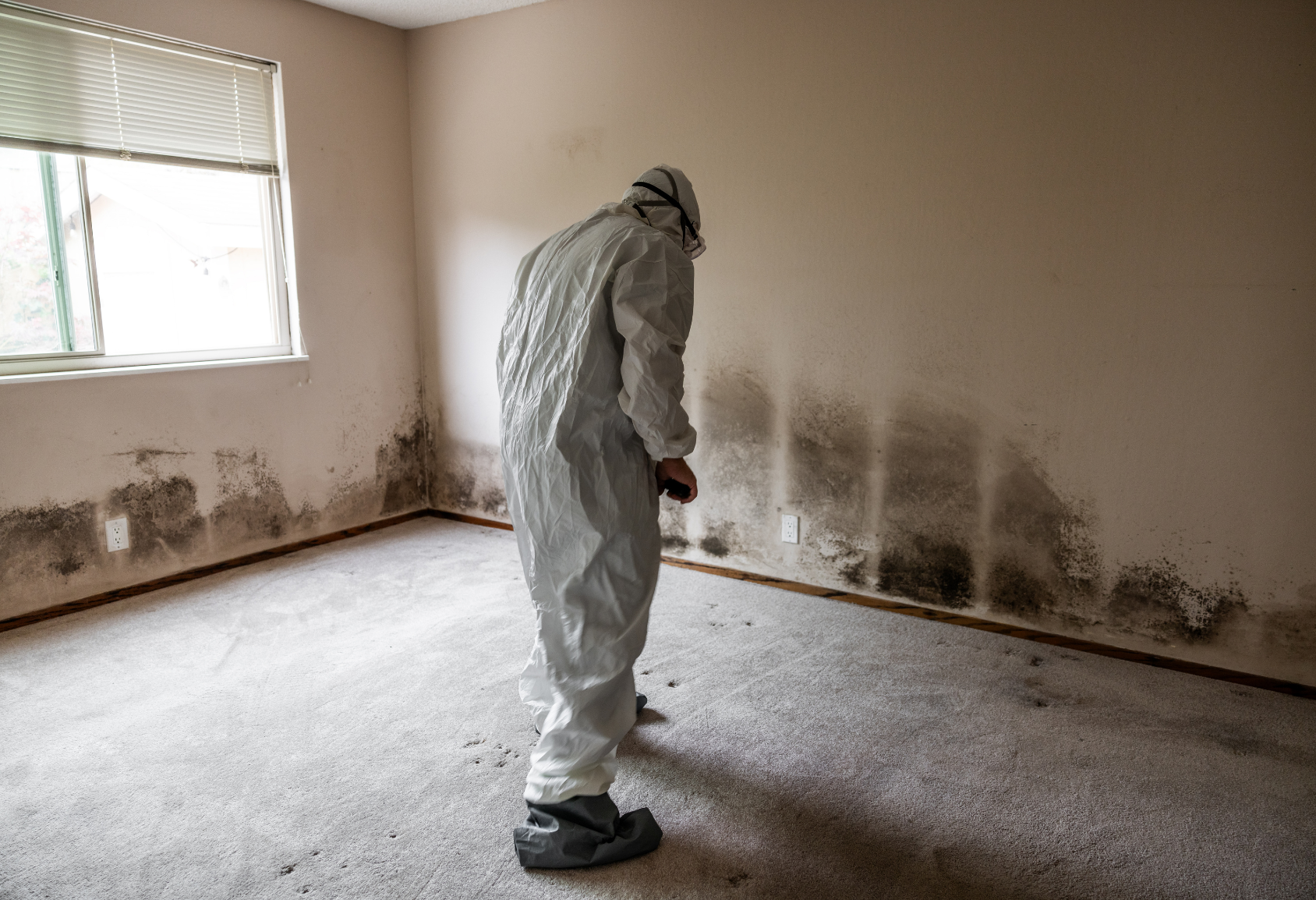
Mold remediation is the corrective step. It is used when mold is visible, spreading, returning after cleaning, or connected to moisture damage. The goal is to address the affected area, correct source conditions, remove damaged materials when needed, and reduce the chance of the issue returning.
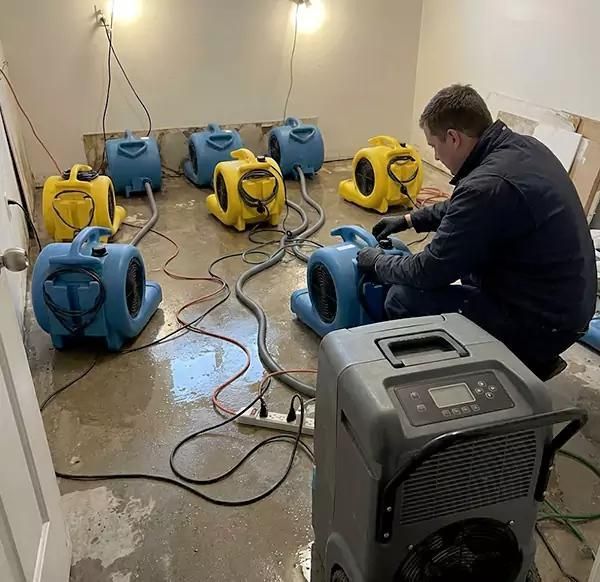
Drying support may also be needed when water damage caused or contributed to the mold concern. If drywall, flooring, insulation, or framing is still damp, moisture needs to be removed before the space is repaired. Rebuild services come after cleanup and drying, when the area is clean, dry, and stable enough for repairs.
Step 1: Identify Why You Are Concerned About Mold
The first step is understanding what triggered the concern. Some property owners see visible mold on drywall, trim, ceilings, or basement surfaces. Others only notice musty odors, allergy-like discomfort, staining, humidity, or moisture after a roof leak, plumbing issue, appliance failure, or basement water problem.
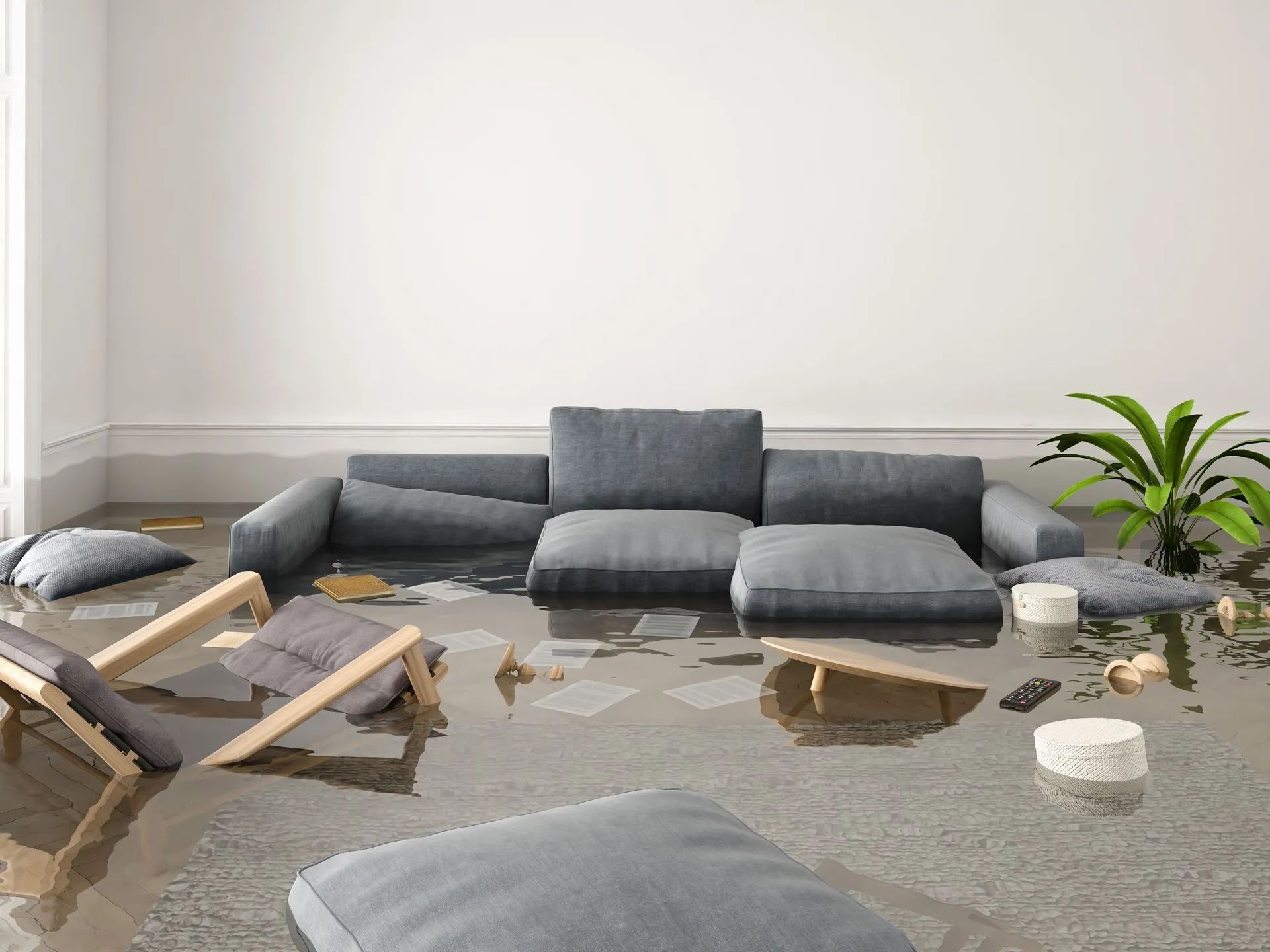
This step matters because visible mold and suspected hidden mold may require different next steps. If the issue started after a leak or flooding, the mold concern may be connected to moisture that still needs water damage restoration before repairs begin.
For water-related damage,
learn more about our Water Damage Restoration Service.
Step 2: Decide Whether Mold Testing Is Needed
Mold testing may be helpful when mold is suspected but not clearly visible, when indoor air quality concerns need more information, or when documentation is needed before making a decision. Testing can help support a clearer understanding of what may be affecting the property.
However, testing should not be treated as the solution by itself. If a wall is damp, a basement smells musty, or stains are spreading, the property still needs a practical mold inspection to understand where moisture is coming from and what materials may be affected.
Step 3: Understand When Mold Remediation Is the Right Step
Mold remediation is usually the right step when mold is visible, spreading, returning after cleaning, or connected to water damage. At that point, the priority is not only confirming that mold exists. The priority is controlling the affected area, addressing the moisture source, removing damaged materials when needed, and reducing the chance of the issue returning.
ServicePros looks beyond the surface stain. Professional mold removal services may include containment, careful material removal, cleaning, HEPA filtration, drying support, and recommendations for repair once the area is stable.
Step 4: Correct the Moisture Problem First
Mold cannot be solved long-term if the moisture source remains. A cleaned surface can look better for a short time, but mold may return if drywall, insulation, framing, flooring, or ceiling materials are still damp.
This is where mold testing and remediation connect back to water damage. If the mold began after a leak, flood, or plumbing failure, the area may need extraction, drying, or moisture control before rebuilding. For active water removal, explore the Emergency Water Extraction Service. For deeper moisture behind walls, floors, or ceilings,
learn more about the Drying Service Page.
Step 5: Move From Cleanup to Repair Planning
Once the mold source is controlled and affected areas are clean and dry, repair planning can begin. This may include replacing drywall, insulation, trim, flooring, paint, or other damaged materials.
Repairs should not happen too early. Rebuilding over damp materials can lead to recurring odors, stains, indoor air quality concerns, and future mold growth. ServicePros helps property owners understand when the space is ready for the next phase and what should be addressed before closing walls or replacing finishes.