Hidden Water Damage Behind Walls and Ceilings
Seeing stains, odors, or soft drywall?
Contact ServicePros for a professional inspection, or
learn more about the Water Damage Restoration.

Stains That Grow or Change Color
A ceiling stain or wall mark may start small, but spreading edges, yellow-brown discoloration, or darker rings often mean moisture is still active or has affected more material than the surface shows. In Maryland, Washington D.C., and Virginia, ServicePros often sees this after roof leaks, plumbing failures, appliance leaks, or storm-driven water entry.
Because stains can appear after water has already traveled through insulation, drywall, or ceiling materials, water damage restoration should not rely on appearance alone. A surface may feel dry while moisture remains behind it, which is why checking the area early can help prevent deeper damage and future repair issues.

Bubbling Paint, Peeling Drywall, or Soft Spots
Paint bubbles, peeling tape lines, soft drywall, or sagging ceiling areas usually mean water has weakened the material from the inside. These signs can develop when water moves through wall cavities, around plumbing lines, or from an upper-level bathroom into the ceiling below.
When the material begins to change shape or texture, the concern is no longer only cosmetic. ServicePros technicians use moisture detection to understand whether the problem is still active, how far the water has moved, and whether the affected surface can be dried or needs removal before repairs begin.
Musty Odors Near Walls or Ceilings
A musty smell is often one of the earliest signs that moisture is trapped where air cannot circulate well. The odor may be stronger in closets, basements, bathrooms, laundry rooms, or rooms with poor airflow because damp materials can stay enclosed for longer periods.
When odors appear without visible water, mold prevention becomes a priority. ServicePros looks for the moisture source first because cleaning or covering the surface will not solve the problem if drywall, insulation, or framing remains damp. If mold is already visible or suspected,
learn more about Mold Remediation Service.
Warped Trim, Cracked Caulk, or Loose Flooring Nearby
Hidden wall or ceiling moisture does not always show up directly where the leak started. It can follow framing, gravity, seams, pipe openings, and flooring edges before creating visible changes in another area. That is why warped trim, cracked caulk, separating baseboards, or loose flooring nearby can all point to moisture movement behind the surface.
These connected clues matter because they help show how far the damage may have traveled. Emergency restoration may be needed when these symptoms follow a sudden pipe leak, storm event, roof leak, or ceiling water release, especially if materials are still damp or the source has not been fully controlled.
When Structural Drying Is Needed
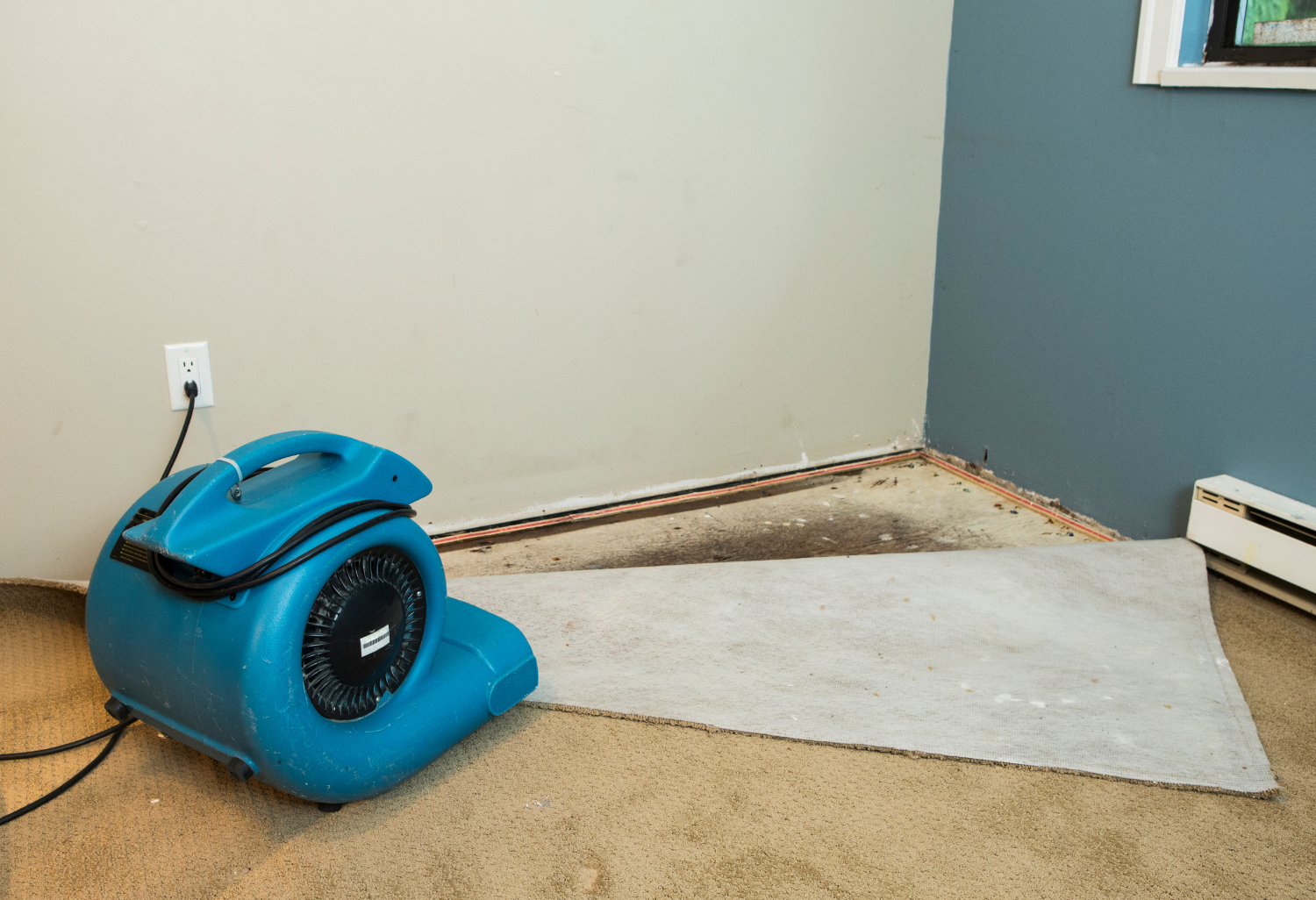
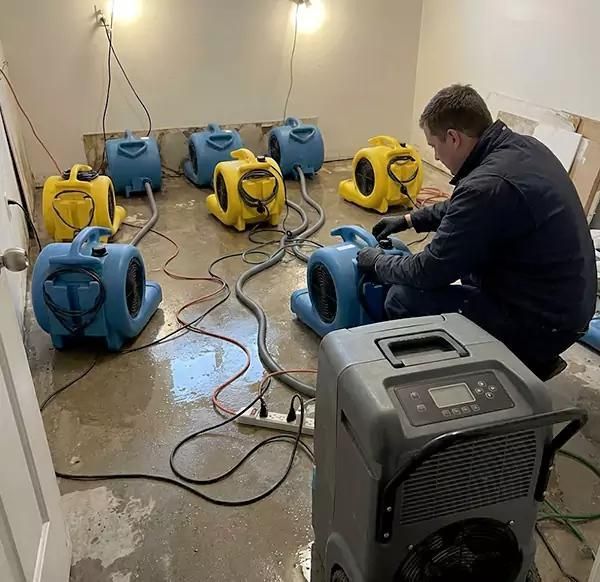
If moisture has moved behind walls or ceilings, fans alone may not be enough. Trapped dampness can remain inside wall cavities, insulation, wood framing, or ceiling materials even after the room looks dry from the outside.
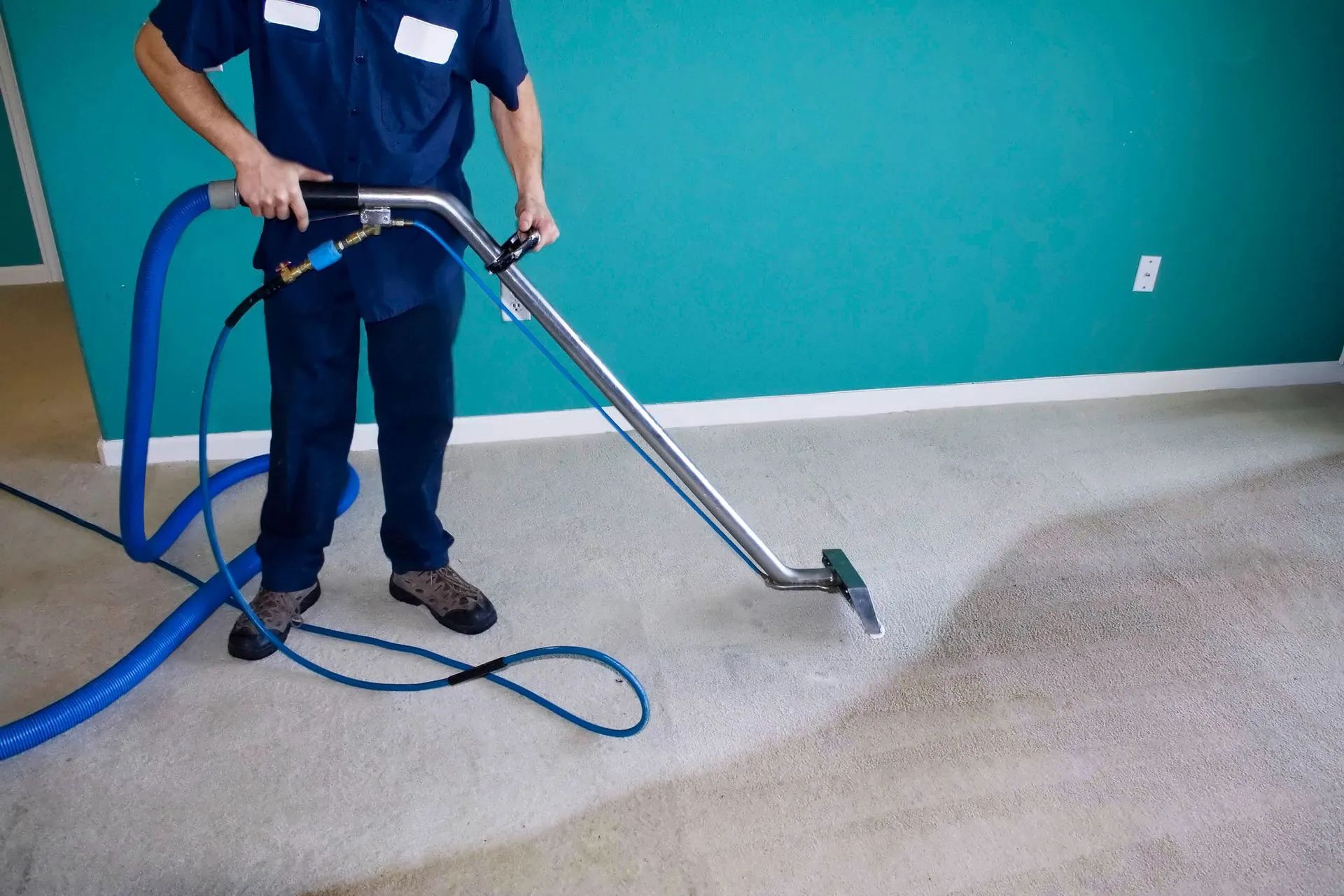
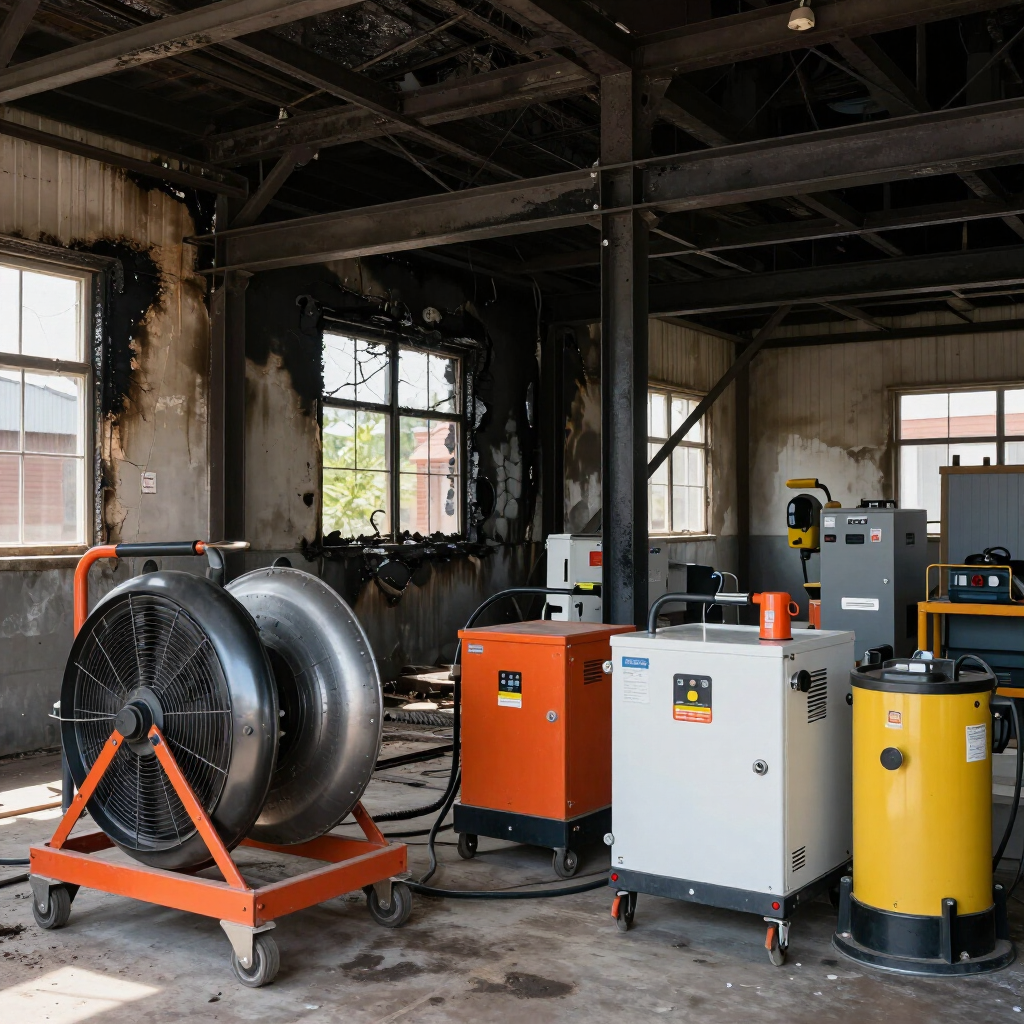
Structural drying helps address that hidden moisture with controlled airflow, dehumidification, moisture monitoring, and selective material removal when needed. ServicePros helps property owners understand what can be dried, what should be removed, and when repairs should begin so the space is not closed up before it is stable.
Call ServicePros before hidden wall or ceiling moisture becomes a larger restoration problem.