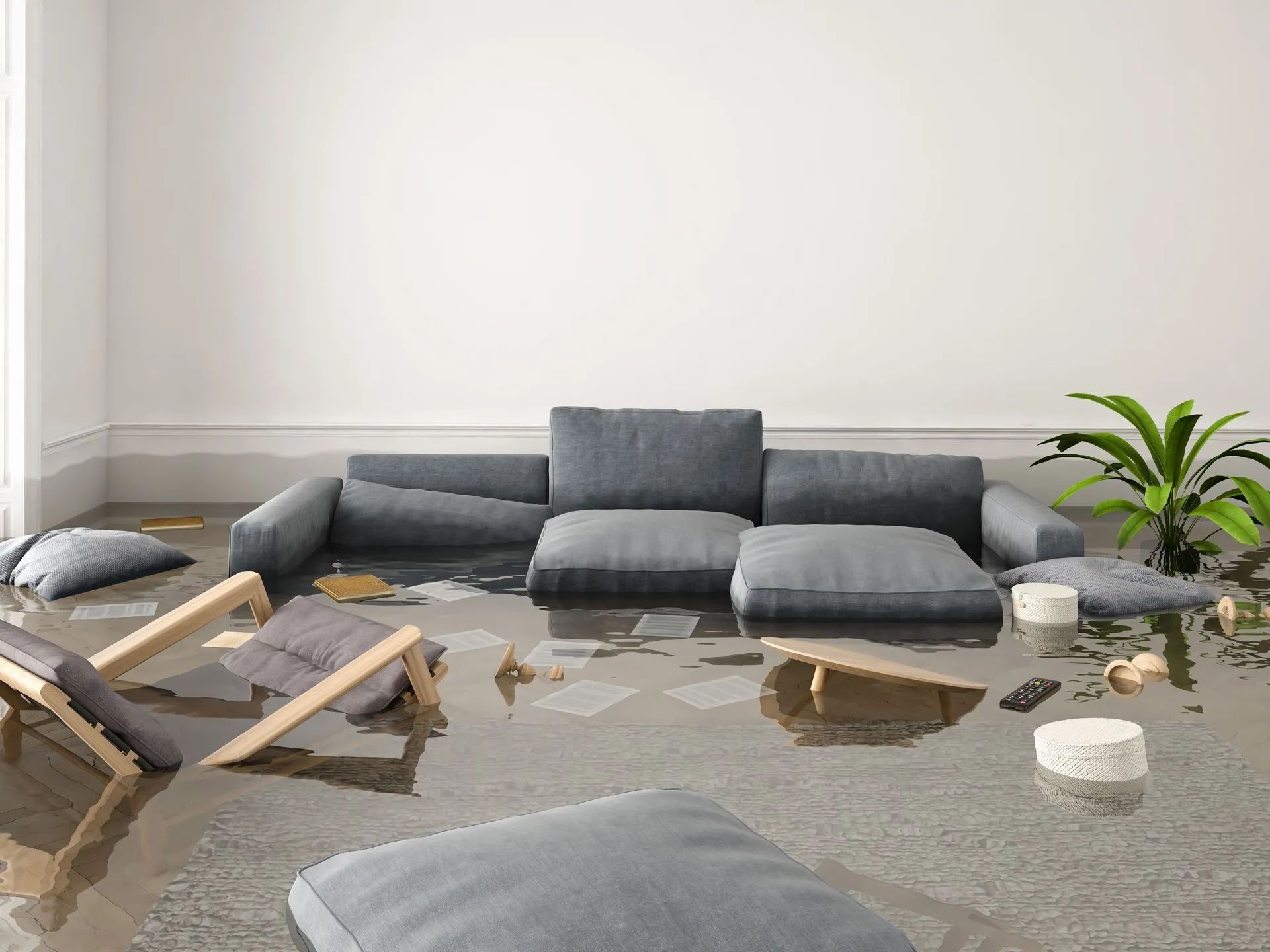
Basement Water Damage After Heavy Rain: What Causes It?

Foundation Seepage and Hydrostatic Pressure
Heavy rain can saturate the soil around a home. When that water builds pressure against the foundation, it may enter through cracks, joints, gaps, or porous areas. This is common in older Mid Atlantic homes, finished basements, crawl spaces, and properties with drainage issues.
ServicePros often sees homeowners clean up visible water while moisture remains behind walls or under flooring. That is why water damage restoration should include moisture checks, not only surface cleanup.
Sump Pump Failure or Drain Backup
A sump pump may stop working because of power loss, mechanical failure, clogged discharge lines, or a storm that overwhelms the system. Floor drains can also back up when water has nowhere to go.
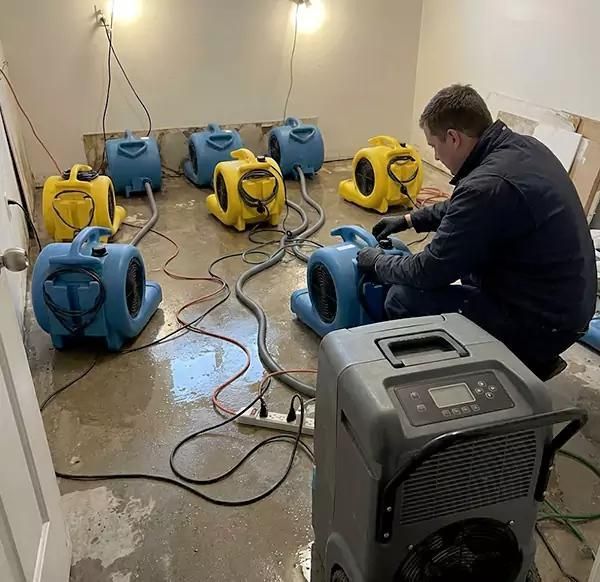
When standing water is present, flood cleanup should happen quickly. Carpet padding, trim, drywall, insulation, and subflooring can begin holding moisture within hours. For urgent water removal, ServicePros can guide property owners through the
Emergency Flood Cleanup Service.
Poor Grading, Gutters, and Window Wells
Sometimes the issue begins outside. Overflowing gutters, short downspouts, low grading, and clogged window wells can direct rainwater toward the basement instead of away from the home.
A restoration team looks at the visible damage and the likely source. ServicePros helps property owners understand whether the basement needs emergency water extraction, drying, cleanup, or repair planning after the water source is addressed.
DIY vs Professional vs General Contractor
After heavy rain, it can be tempting to clean up basement water with towels, fans, or a shop vacuum. That may be enough for a very small amount of surface moisture, especially if the water did not reach drywall, carpet padding, insulation, or stored items. The problem is that basement water damage often extends beyond what is visible. Moisture can remain under flooring, behind baseboards, or inside wall materials even after the room looks dry.
A general contractor can be helpful later if the basement needs repairs, such as replacing drywall, trim, flooring, or damaged finishes. However, repair work should not be the first step if the space is still wet. Closing walls or replacing materials too soon can trap moisture and lead to odors, mold concerns, or future damage.
That is where a professional restoration team becomes important. ServicePros focuses first on water mitigation, moisture evaluation, cleanup, drying, and property restoration planning. By confirming what is wet, what can be dried, and what may need removal, the team helps property owners avoid rebuilding over hidden moisture after heavy rain.

Trust Signals to Look For
Choose a company that can explain the source, document the damage, and show a clear drying plan. Ask about licensing, insurance, technician training or certifications, moisture monitoring, and written labor warranties.
ServicePros is fully licensed and insured and offers labor warranties for customer peace of mind. The team serves Maryland, Washington D.C., and Virginia with practical field experience in storm-related basement moisture, flooding, and hidden water damage.
Call ServicePros before basement moisture becomes a larger restoration problem.