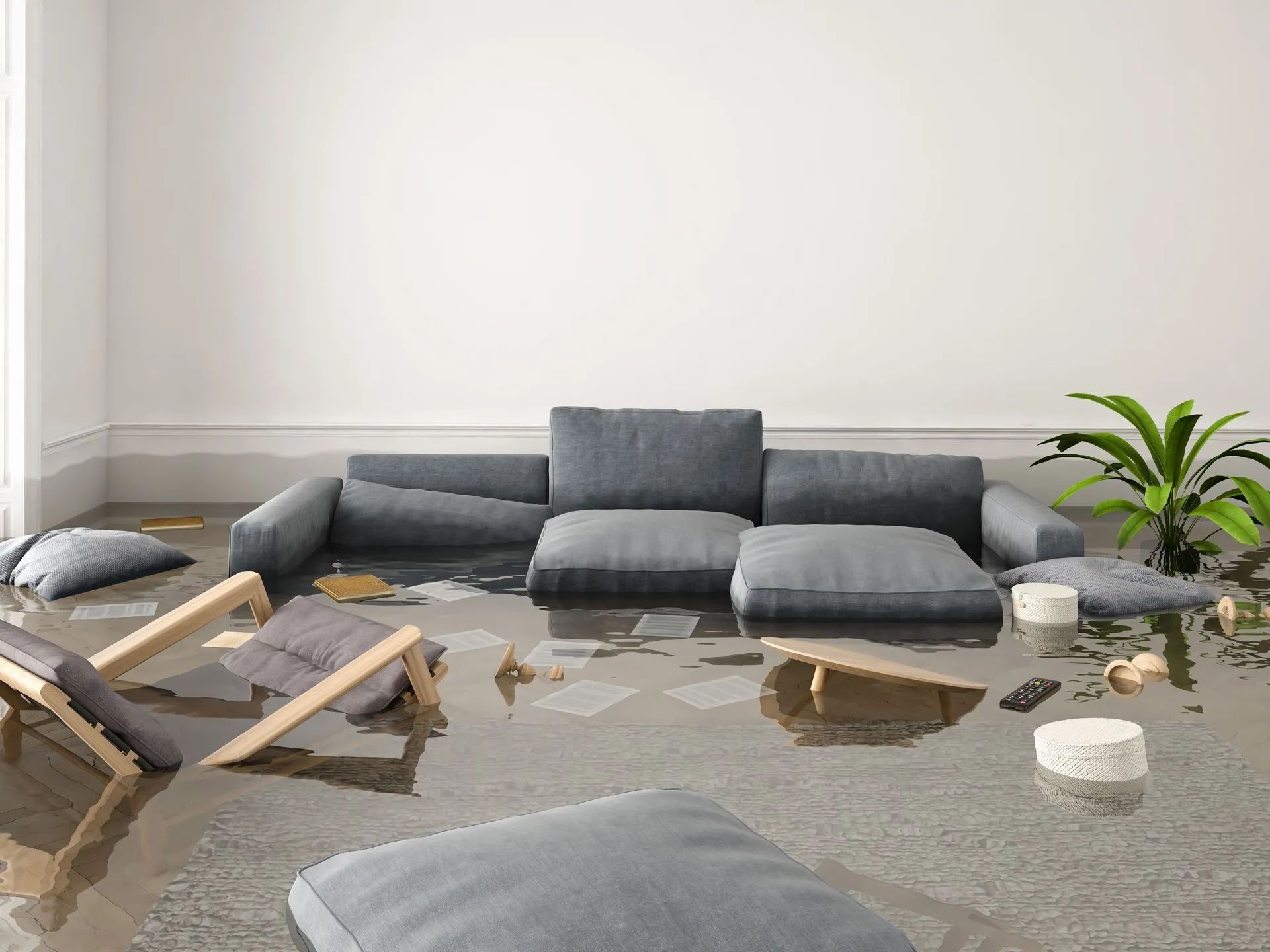
Sewage Cleanup and the Health Risks Property Owners Should Understand

ServicePros • June 2, 2026

0–10 Minutes: Stay Away From the Affected Area

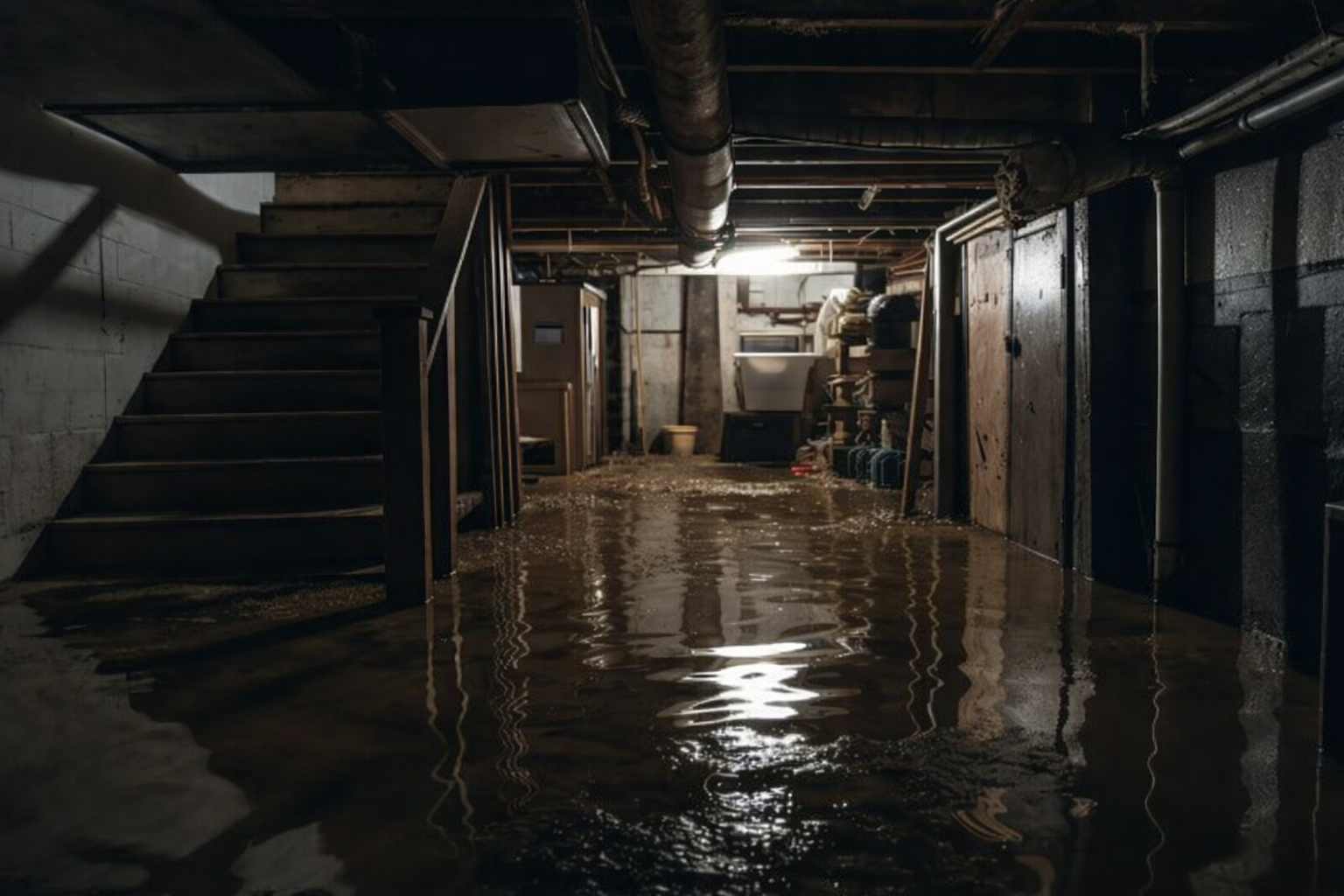
If sewage water is present, avoid direct contact. Do not walk through the water, move soaked items, or try to clean the area with household products. Contaminated water can spread quickly through carpet, flooring seams, baseboards, and wall edges.

Keep children, pets, employees, and tenants away from the affected space. If water is near electrical outlets, appliances, or a breaker panel, stay out of the area and wait for professional guidance.

10–30 Minutes: Identify the Source if It Is Safe

A sewage issue may come from a toilet overflow, drain backup, sewer line problem, septic issue, or storm-related system overload. You do not need to investigate closely, but knowing where the backup started can help a cleanup company respond with the right plan.

ServicePros often sees sewage damage in basements, bathrooms, utility rooms, commercial restrooms, and lower-level spaces after heavy rain or plumbing failures in Maryland, Washington D.C., and Virginia.

30–60 Minutes: Call for Professional Cleanup

Sewage situations require more than mopping or shop-vac removal. Biohazard cleanup may involve containment, extraction, removal of unsalvageable materials, cleaning, disinfection, drying, and documentation.

ServicePros evaluates how far contaminated water may have traveled and whether materials like carpet padding, drywall, insulation, trim, or porous contents can be safely restored. For properties where sewage water has also caused structural moisture, learn more about Water Damage Restoration Service.

Call ServicePros for fast sewage cleanup before contamination and moisture spread farther.
Why Sewage Damage Creates Health and Property Risks

Sewage water can carry contaminants that should not remain inside a home or business. Even after the visible water is gone, damp materials may still hold odor, bacteria, and moisture. If the area is not cleaned and dried correctly, mold risk can increase and the restoration process can become more complicated.

Professional property restoration focuses on safety first: separating affected areas, removing contaminated materials when needed, improving drying conditions, and helping property owners understand what can be cleaned, what should be discarded, and what should be documented.

After Cleanup: Drying, Documentation, and Repairs

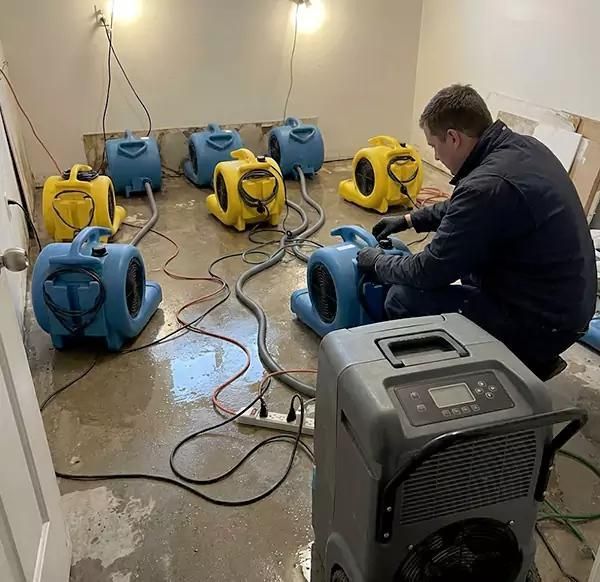
Once contaminated materials are removed and the area is cleaned, drying becomes essential. Moisture left behind can affect air quality, create odors, and lead to secondary damage.

ServicePros provides licensed and insured service, practical field evaluation, and labor warranties for added peace of mind. If repairs are needed after cleanup, the team can help explain the next steps before the affected area is rebuilt.

Need help after a sewage backup, flood, or water emergency? Contact ServicePros for cleanup, drying, and restoration planning.


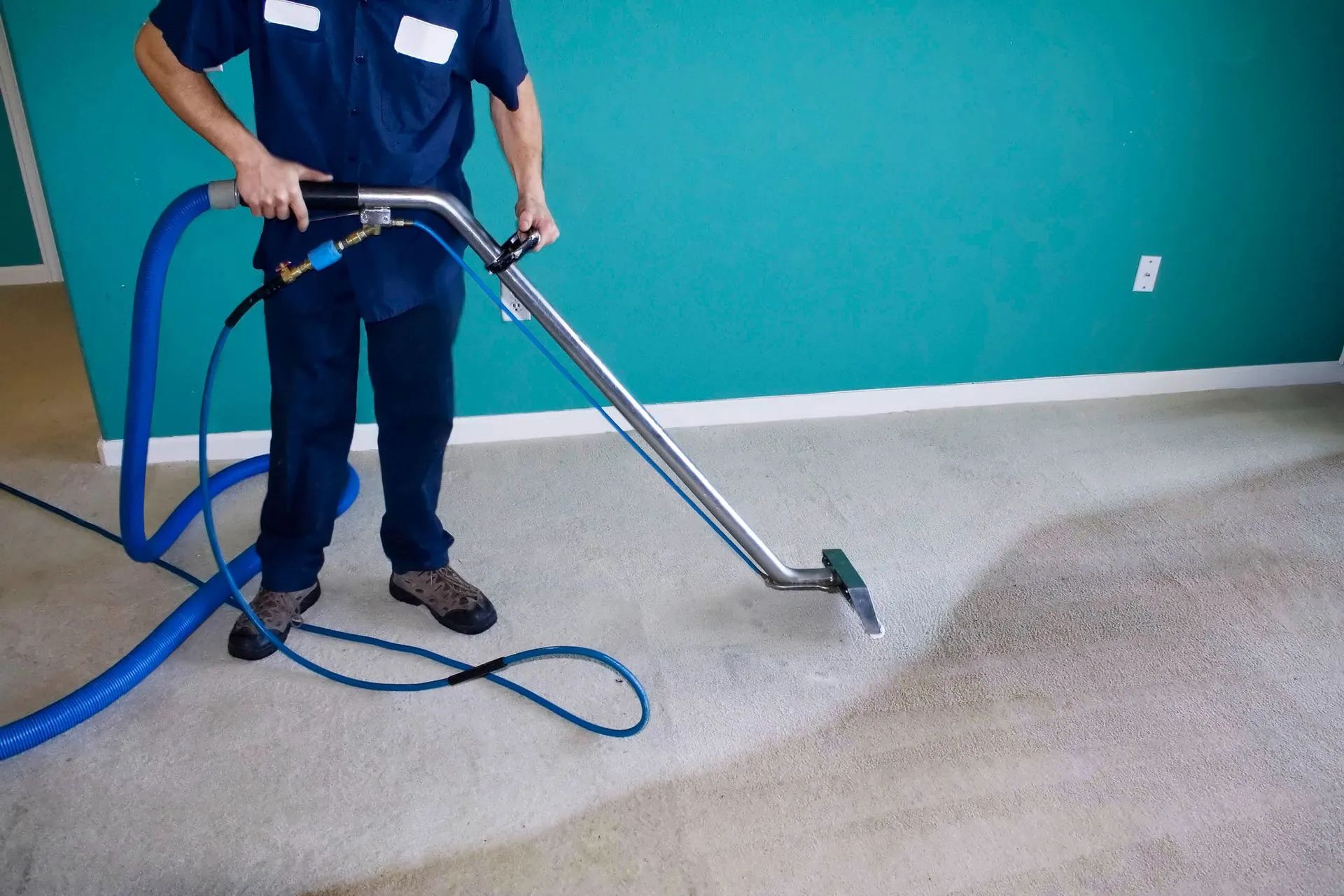
Person cleaning carpet with a professional machine in a room with teal walls.
By Valeria Barraza June 5, 2026
Learn what causes basement water damage after heavy rain and when to call ServicePros for inspection, cleanup, and restoration help.
Professional mold remediation specialist inspecting a wall for hidden growth.
By Valeria Barraza May 24, 2026
Discover why professional mold remediation matters. Learn about hidden mold risks, HEPA filtration, and safe removal in MD, VA and DC.