Mold Remediation: Hidden Risks and Why Professional Removal Matters
Mold remediation is important because mold is rarely just a surface issue. What appears as a small stain on drywall, trim, or ceiling material may be connected to moisture behind the wall, under flooring, inside insulation, or in nearby air pathways. Professional removal matters because the real goal is not only to clean what is visible. The goal is to identify the moisture source, control the affected area, remove damaged materials safely, improve indoor conditions, and reduce the chance of the problem returning.
Why Mold Should Not Be Treated as a Surface Problem
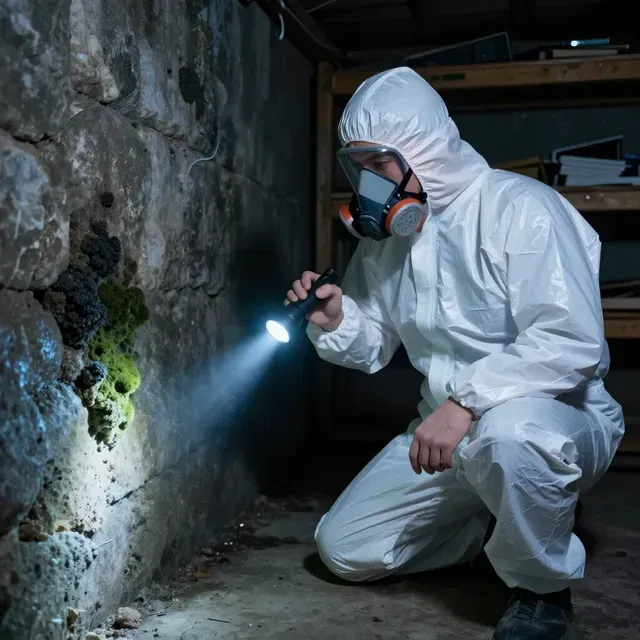
Mold grows where moisture remains. In Maryland, Washington D.C., and Virginia, ServicePros often sees mold connected to humid summers, storm moisture, roof leaks, plumbing failures, crawl spaces, and finished basements that do not dry evenly. Older homes and rowhomes can also hide moisture behind plaster, trim, cabinets, and wall cavities.
A surface cleaning may make the area look better for a short time, but it does not solve the issue if damp materials are still present. That is why a proper mold inspection looks beyond the visible growth. Technicians may check moisture readings, staining patterns, odor intensity, ventilation conditions, nearby water sources, and materials that may be holding moisture out of sight.
Hidden Moisture Can Keep Mold Coming Back
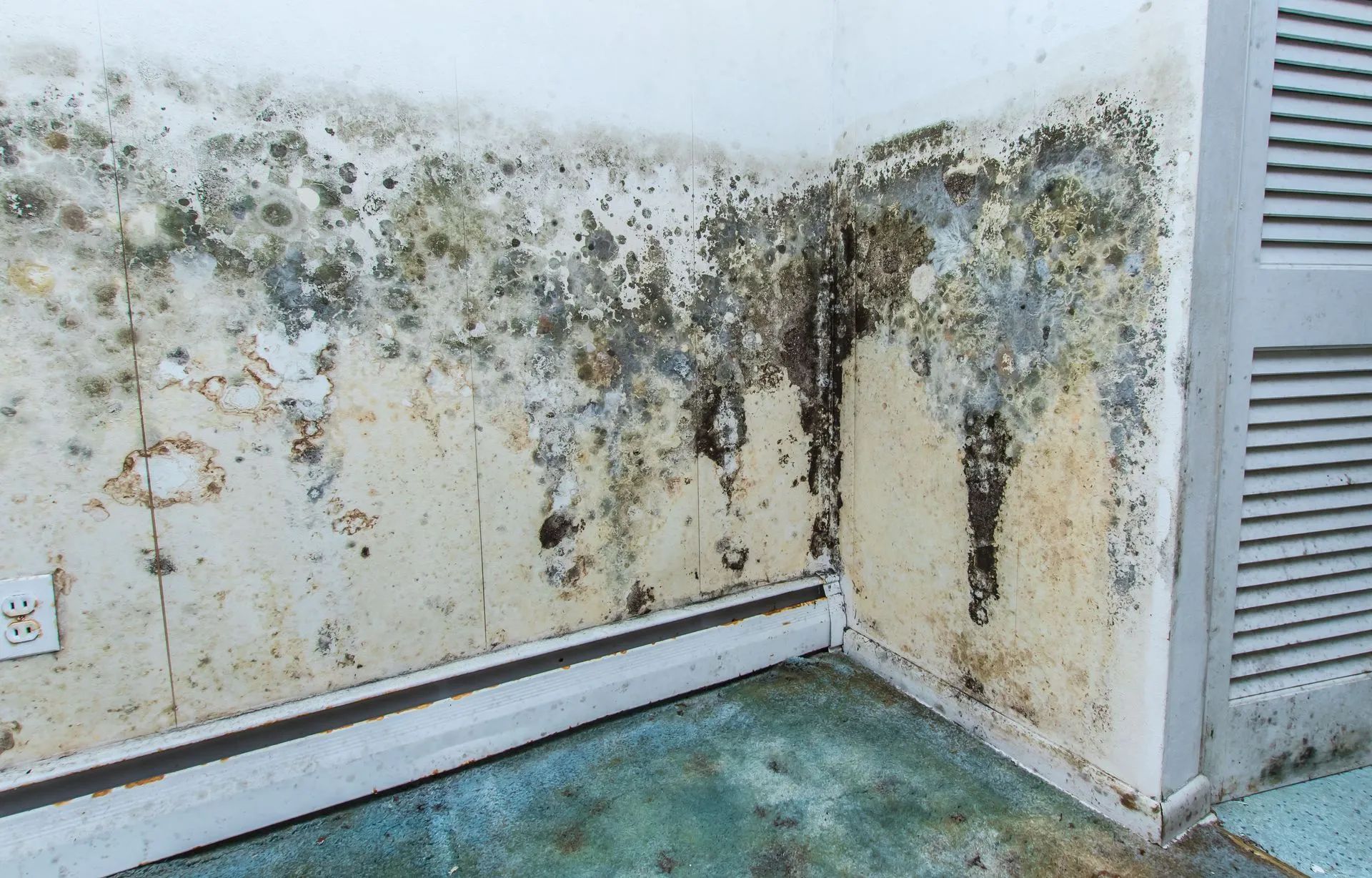
Recurring mold usually means the moisture source was not fully corrected. A bathroom wall, basement corner, laundry area, or closet may look clean after wiping, but mold can return if the drywall, insulation, subfloor, or framing remains damp.
Common moisture clues include:
- Musty odors that return after cleaning
- Staining near baseboards or ceilings
- Damp drywall, carpet, or insulation
- Condensation around poorly ventilated areas
- Past water damage that was never fully dried
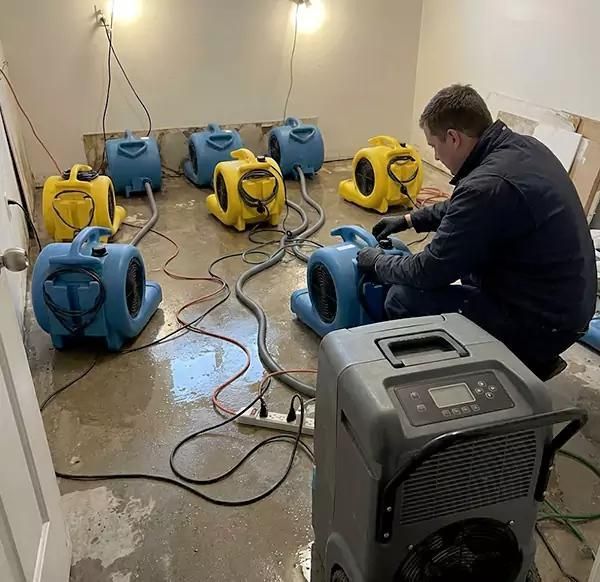
ServicePros uses field experience to connect these clues to the bigger picture. Mold damage restoration may require drying, material removal, cleaning, containment, or repair planning depending on how far the moisture has traveled. For homes where mold began after a leak, flood, or basement water issue,
explore Water Damage Restoration Services before repairs begin.
Health and Indoor Air Quality Concerns
Mold can affect how a space feels and smells, especially when growth is present in occupied rooms, basements, offices, or HVAC-adjacent areas. People may notice stronger odors, allergy-like irritation, humidity, or discomfort in rooms where moisture has been present for too long.
Professional remediation helps protect indoor conditions by controlling the work area and reducing unnecessary spread. When affected materials are disturbed without containment, particles can move into cleaner rooms. HEPA filtration, controlled removal, and careful cleaning are used when appropriate to support better air quality during the remediation process.
Black mold removal or suspected heavy growth should be handled carefully. The concern is not only the color of the mold, but the moisture source, affected materials, room use, and how easily particles may spread during removal.
Why Professional Removal Matters
Professional mold work is not only about removing what is visible. It is about controlling the work area, reducing spread, identifying moisture conditions, and confirming what materials can remain and what should be removed.
ServicePros provides licensed and insured service, practical field evaluation, and labor warranties for added peace of mind. The goal is to help property owners understand what caused the mold, what needs to be addressed, and how to reduce the chance of the same issue returning.
Schedule mold remediation support before hidden moisture creates a larger indoor air concern.
When to Call ServicePros
Call ServicePros if mold appears after flooding, appliance leaks, roof leaks, basement seepage, or repeated humidity problems. You should also call if odors return after cleaning, stains spread, or mold appears in more than one area.
Early response is especially important in finished basements, crawl spaces, rowhomes, older homes, rental properties, and commercial spaces where moisture can move behind surfaces before anyone notices.
FAQs About Mold Remediation
Can I remove mold myself?
Small surface areas may look simple, but mold often connects to moisture behind the surface. Professional evaluation is safer when growth is spreading, returning, or connected to water damage.
What is included in professional mold remediation?
The process may include inspection, containment, removal of affected materials, cleaning, drying, HEPA filtration, odor control, and repair recommendations.
When is mold an emergency?
Mold should be treated urgently when it spreads quickly, follows flooding, affects large areas, creates strong odors, or appears in occupied spaces with moisture still present.