What Does a Remediation Company Actually Do? Full Process Breakdown
A remediation company is a specialized service provider that identifies, contains, and removes hazardous substances or structural damage—such as mold, sewage, or smoke residue—to return a property to a safe, livable condition. Unlike standard cleaning, remediation focuses on neutralizing underlying health risks and preventing further property deterioration through technical processes like structural drying and air filtration.
What is a remediation company and what do they do?
A remediation company is often the first line of defense for property owners facing significant damage. Whether you are dealing with a burst pipe, a kitchen fire, or a hidden mold infestation in your basement, these professionals have the training and equipment to handle situations that go far beyond a DIY project. Their primary goal is to address the source of the problem, remove contaminated materials, and ensure the environment is safe for occupants.
In many cases, property owners in their 40s and 50s who manage established homes or commercial buildings find that a single leak can quickly spiral into a structural nightmare. A remediation company steps in to perform more than just a surface-level wipe-down. They use industrial-grade tools such as thermal imaging cameras to detect moisture behind walls and HEPA (High-Efficiency Particulate Air) scrubbers to clean the air you breathe.
Key services offered by a professional remediation company include:
- Water Damage Assessment : Finding every hidden pocket of moisture.
- Mold Remediation : Safely containing and removing fungal growth.
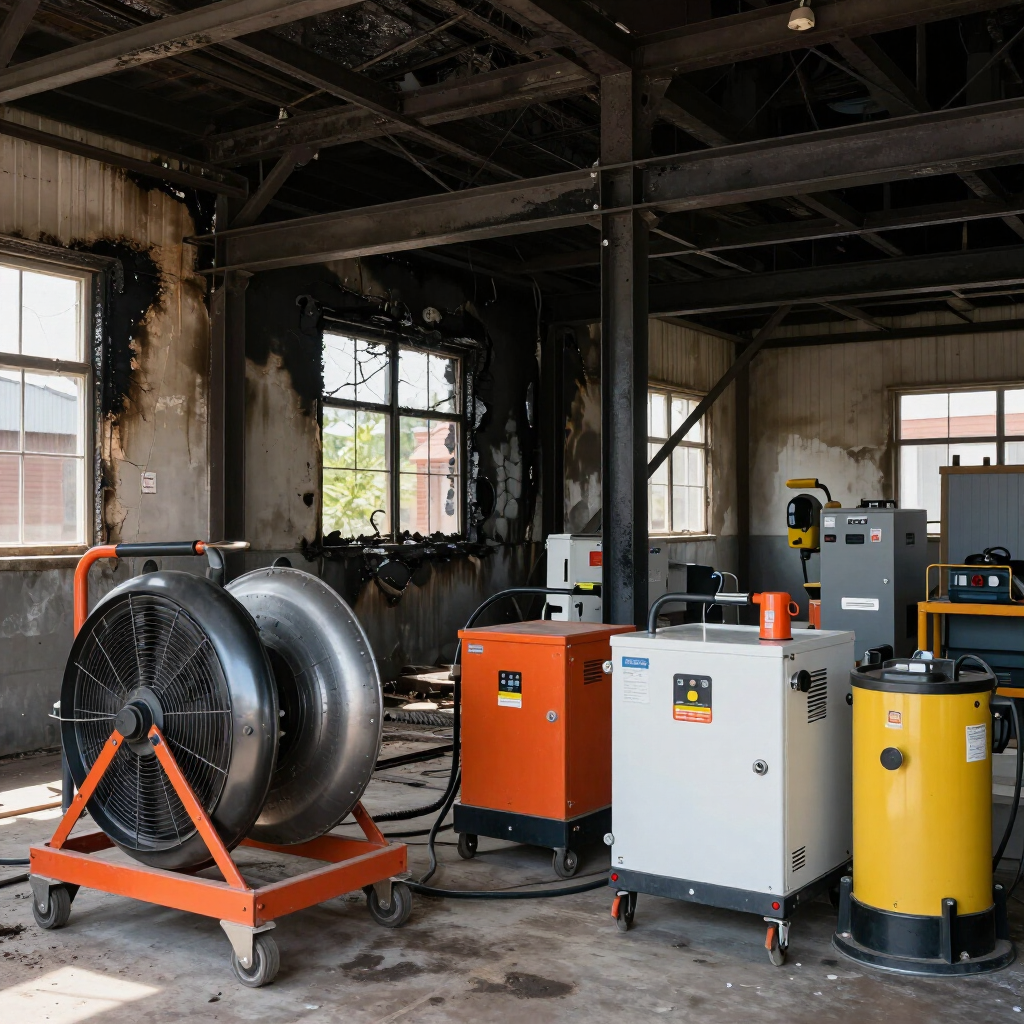
- Fire and Smoke Cleaning : Removing soot and neutralizing odors.
- Sewage Cleanup : Sanitizing areas affected by biohazards.
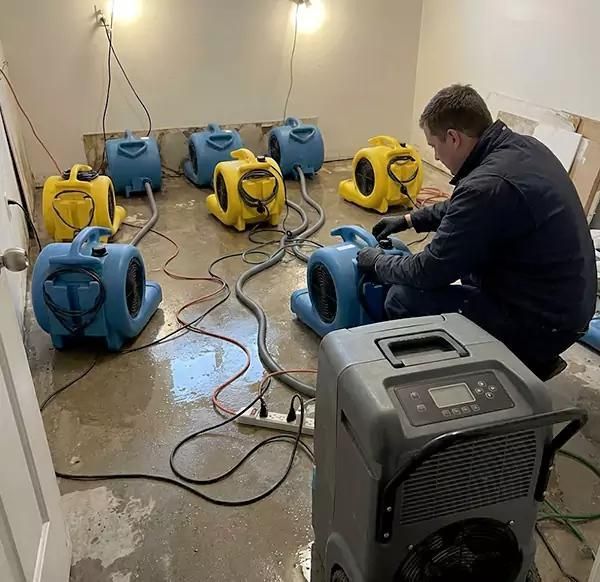
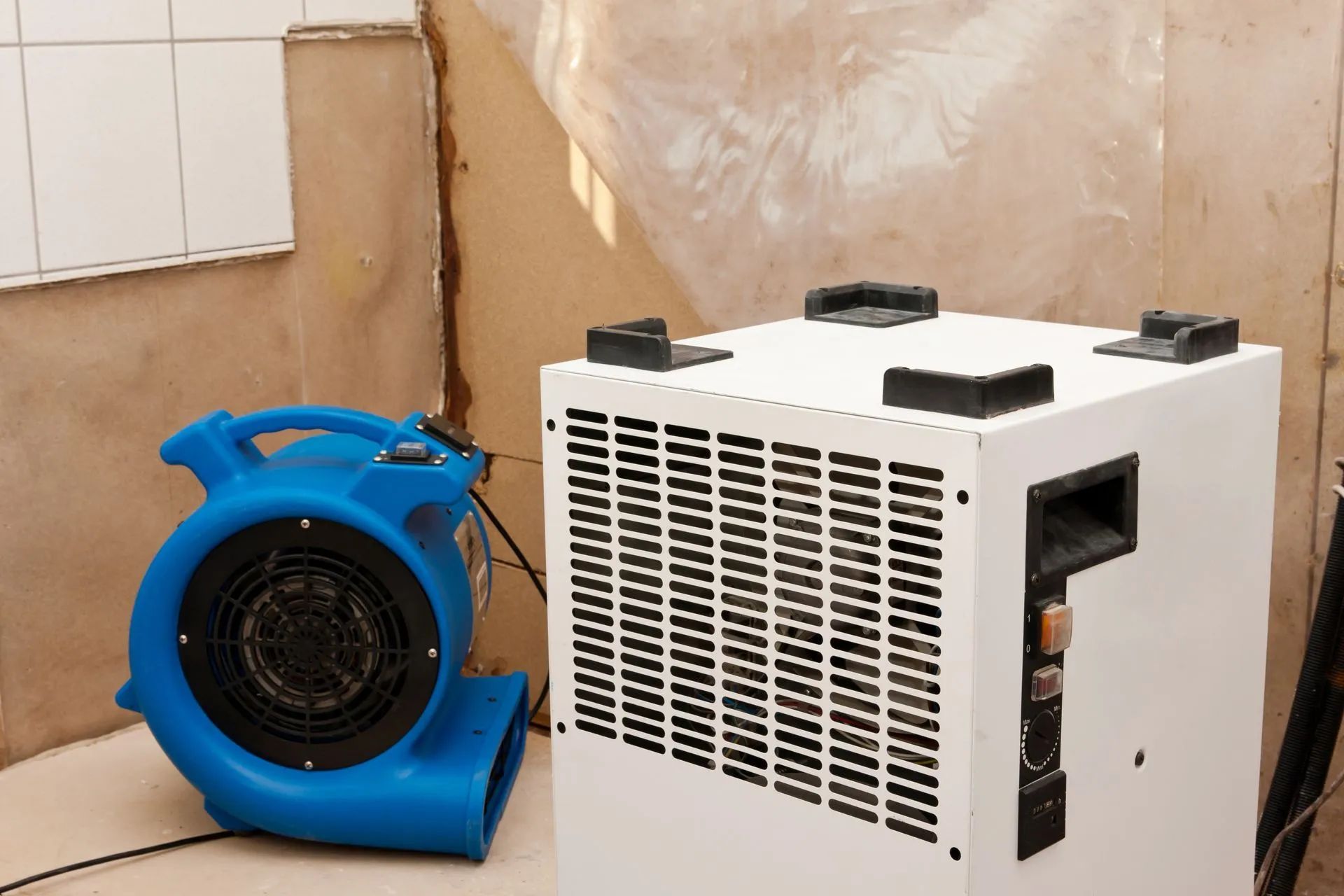
- Structural Drying : Using air movers and dehumidifiers to save the building's skeleton.
By hiring a professional team like ServicePros Cleaning & Restoration, you ensure that the job is done according to industry standards, which protects both your health and your property's long-term market value.
Understanding Mitigation, Remediation, and Restoration
When you begin the recovery process, you will hear several terms used interchangeably: mitigation, remediation, and restoration. While they are all part of the same journey, they represent different phases of the work.
1. Mitigation: Stopping the Damage
Mitigation is the immediate action taken to prevent additional damage from occurring. If your roof is leaking after a storm, mitigation involves tarping the roof. If a pipe bursts, mitigation involves shutting off the water and extracting the standing pools. The goal here is to "stop the bleeding."
2. Remediation: Removing the Problem
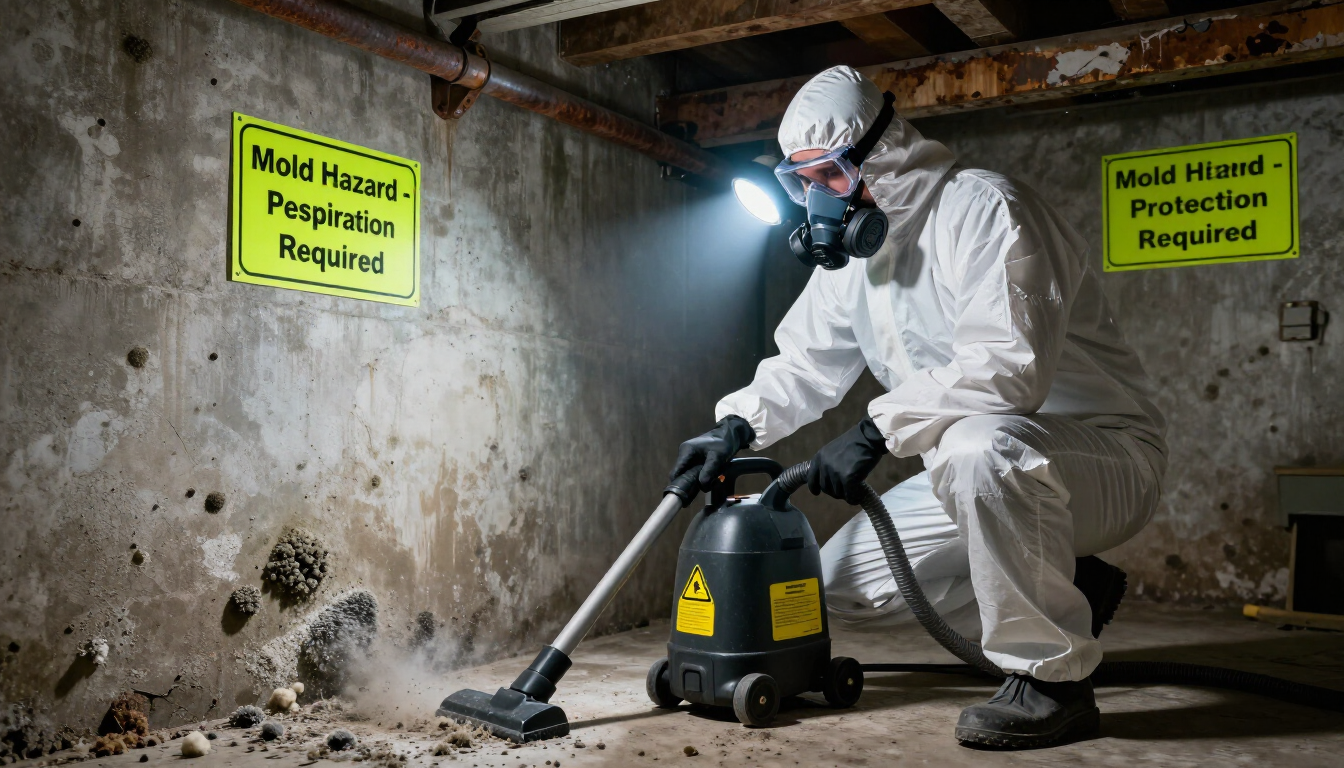
This is where the remediation company does its most technical work. Remediation is the process of cleaning, disinfecting, and removing the actual problem. In the case of Mold Damage , remediation involves setting up containment zones so spores don't spread to other rooms while the affected drywall is removed. For Water Damage , it involves treating surfaces with antimicrobials to prevent rot.
3. Restoration: Returning to Normal
Restoration is the final step. This is where the property is actually repaired or rebuilt. This might include hanging new drywall, painting, installing new flooring, or even full Remodeling Services to upgrade the space. While mitigation and remediation focus on safety and stabilization, restoration focuses on aesthetics and functionality.
How does the full recovery process work?
Recovering from a disaster is a multi-step journey that requires precision. If you are a business owner or homeowner in Maryland, D.C., or Virginia, understanding this timeline can help reduce the stress of the situation.
Initial Inspection and Assessment
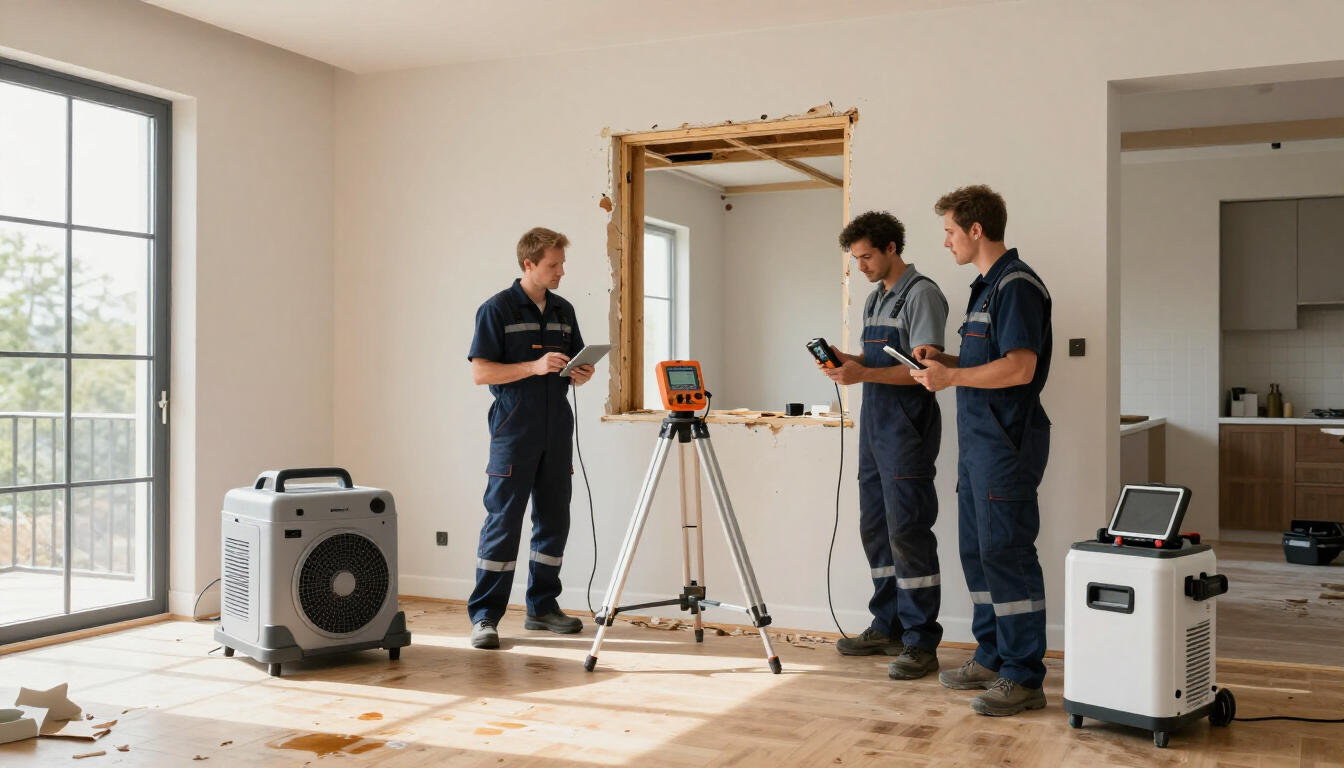
The process always begins with a thorough walkthrough. Technicians use moisture meters and infrared cameras to determine the extent of the damage. This isn't just about what you can see; it’s about what is happening inside the walls and under the floorboards.
Emergency Mitigation
Once the assessment is complete, the team moves into action. This may include boarding up broken windows, placing tarps on roofs, or starting high-volume water extraction. Speed is critical here to prevent secondary damage like mold growth, which can begin in as little as 24 to 48 hours.
Remediation and Structural Drying
After the standing water or debris is removed, the "drying out" phase begins. A remediation company will place industrial air movers and LGR (Low Grain Refrigerant) dehumidifiers strategically throughout the property. This process, known as structural drying, is essential for preserving the integrity of wood studs and subflooring.
Cleaning and Sanitizing
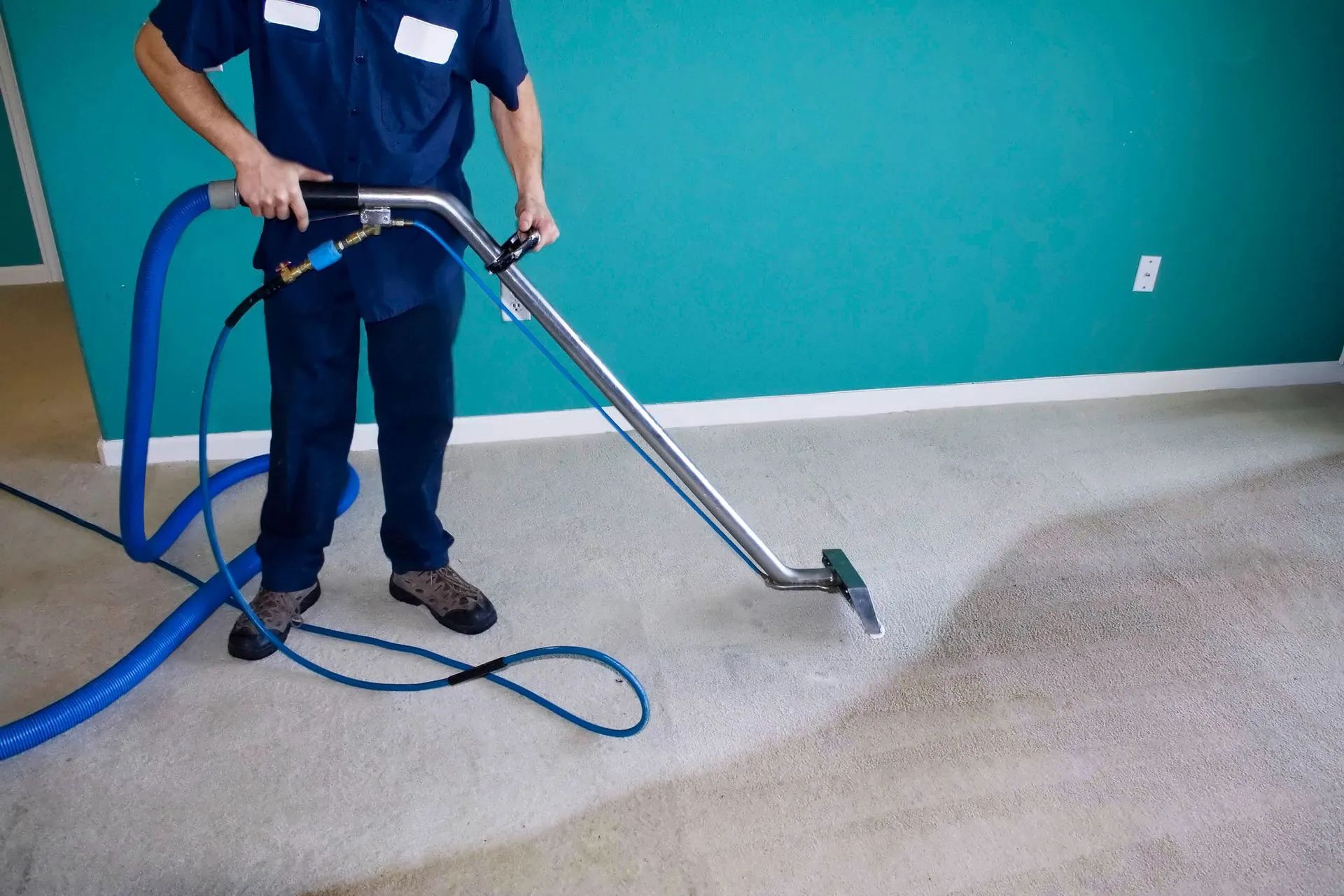
Once the area is dry, it must be cleaned. This includes odor removal using ozone generators or hydroxyl machines, especially after Fire Damage . Every surface is treated to ensure no contaminants remain.
Why is professional structural drying necessary?
Many property owners believe that if a carpet feels dry to the touch, the problem is solved. This is a dangerous misconception. Moisture often migrates into the porous materials of your home, such as the bottom of your drywall (the "wicking" effect) and the wooden framing of the house.
Without professional structural drying, this trapped moisture leads to:
- Structural Rot : Wood studs can lose their load-bearing capacity over time.
- Chronic Mold : Hidden mold colonies can release spores into the HVAC system, causing respiratory issues.
- Pest Infestations : Damp wood attracts termites and other wood-boring insects.
- Electrical Hazards : Moisture behind walls can cause shorts in your electrical wiring.
Professional remediation companies monitor the drying process daily, taking "dryness readings" to ensure that the moisture levels have returned to the dry standard for that specific material. This data is often required by insurance companies to prove that the loss was handled correctly.
When should you call a remediation company?
You should contact a remediation company the moment you notice damage that exceeds a simple spill. For owners of large properties in Annapolis, MD or Columbia, MD , waiting even a few hours can double the cost of repairs.
You should call a professional if you experience:
- Any Sewage Backup : Sewage contains "Category 3" black water, which is highly toxic and requires specialized handling.
- Visible Mold : If you see mold covering more than 10 square feet, the EPA recommends professional remediation.
- Lingering Odors : After a fire or flood, a persistent musty or smoky smell indicates that contaminants are still present in the air or materials.
- Major Storm Damage : If a tree falls on your home or a basement floods due to heavy rain, the structural risks are too high for DIY.
- Water Leaks Behind Walls : If you see peeling wallpaper, bubbling paint, or warped baseboards, there is an active problem that needs a remediation company's expertise.
ServicePros Cleaning & Restoration: Our Unique Advantages
When disaster strikes in Maryland, Washington D.C., or Virginia, you need a partner with experience and a commitment to quality. ServicePros Cleaning & Restoration has been a locally and family-owned staple since 2001, providing over 20 years of expertise in helping families and businesses recover.
We understand that a property loss is more than just a financial hit; it’s an emotional one. That’s why we offer unique benefits designed to give you peace of mind:
- 24/7 Emergency Service : Disasters don't stick to business hours, and neither do we.
- Veteran-Owned & Operated : We bring a level of discipline and integrity to every project.
- Bilingual Support : We offer services in both English and Spanish to serve our diverse community.
- Warrantied Work : We provide a 1-year labor warranty and a 5-year material warranty on our projects.
- Financial Incentives : Ask about our $500 OFF discount (terms apply) and our price matching availability.
Whether you are in Rockville, MD or Alexandria, VA , our team is ready to respond. We are fully licensed and insured, ensuring that your property is in the best possible hands from the first inspection to the final coat of paint.
Conclusion: Your Path to a Full Recovery
A remediation company is your most valuable ally when facing water, fire, or mold damage. By moving through the essential steps of mitigation, remediation, and restoration, these professionals ensure your home or business is not just "clean," but truly safe. Remember that time is your biggest enemy in a property loss; the faster you act, the more of your structural integrity and personal belongings you can save.
Core Takeaways for Property Owners:
- Act Fast : Contact a professional within 24 hours to prevent mold and permanent rot.
- Know the Terms : Mitigation stops damage, remediation removes the threat, and restoration rebuilds.
- Demand Documentation : Professional companies provide moisture logs and certificates of completion for insurance purposes.
- Check Qualifications : Always work with a licensed, insured, and experienced provider like ServicePros Cleaning & Restoration.
If you're facing a property emergency, don't wait. Contact us today to begin your recovery process and get your life back to normal.