Sewage Backup Cleanup and Contaminated Water Risks
Sewage backup cleanup: Why contaminated water requires a different response
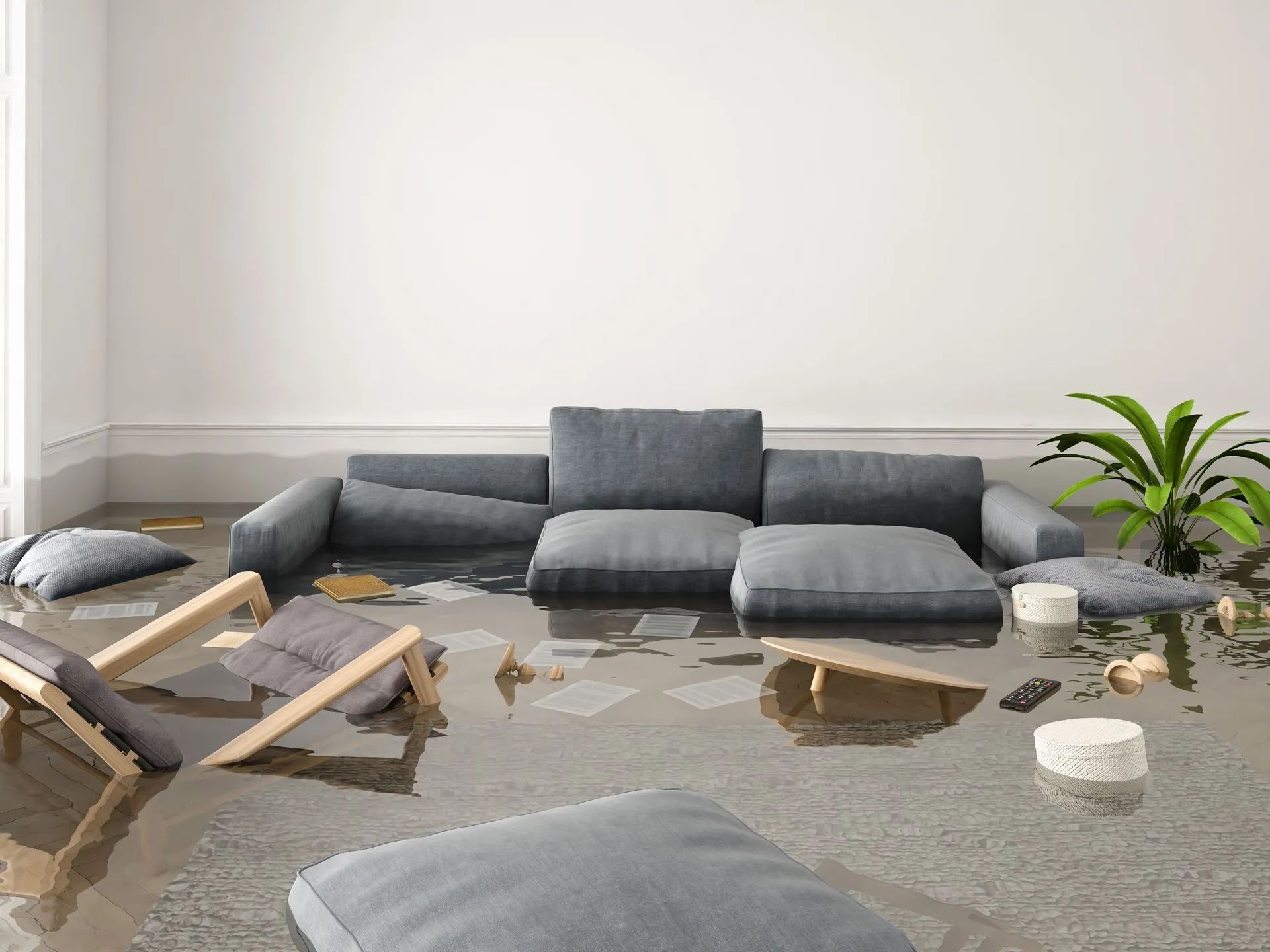
A sewage backup can send water through a basement, bathroom, utility area, or commercial space within minutes. Although the immediate damage may resemble an ordinary plumbing leak, the water source changes how the affected area must be evaluated, cleaned, and restored.
Why does contaminated water require a different response? Sewage may contain waste, bacteria, viruses, chemicals, and other contaminants that can spread into flooring, drywall, insulation, furnishings, and adjoining spaces. Professional sewage cleanup addresses both the visible water and the contamination it may leave behind.
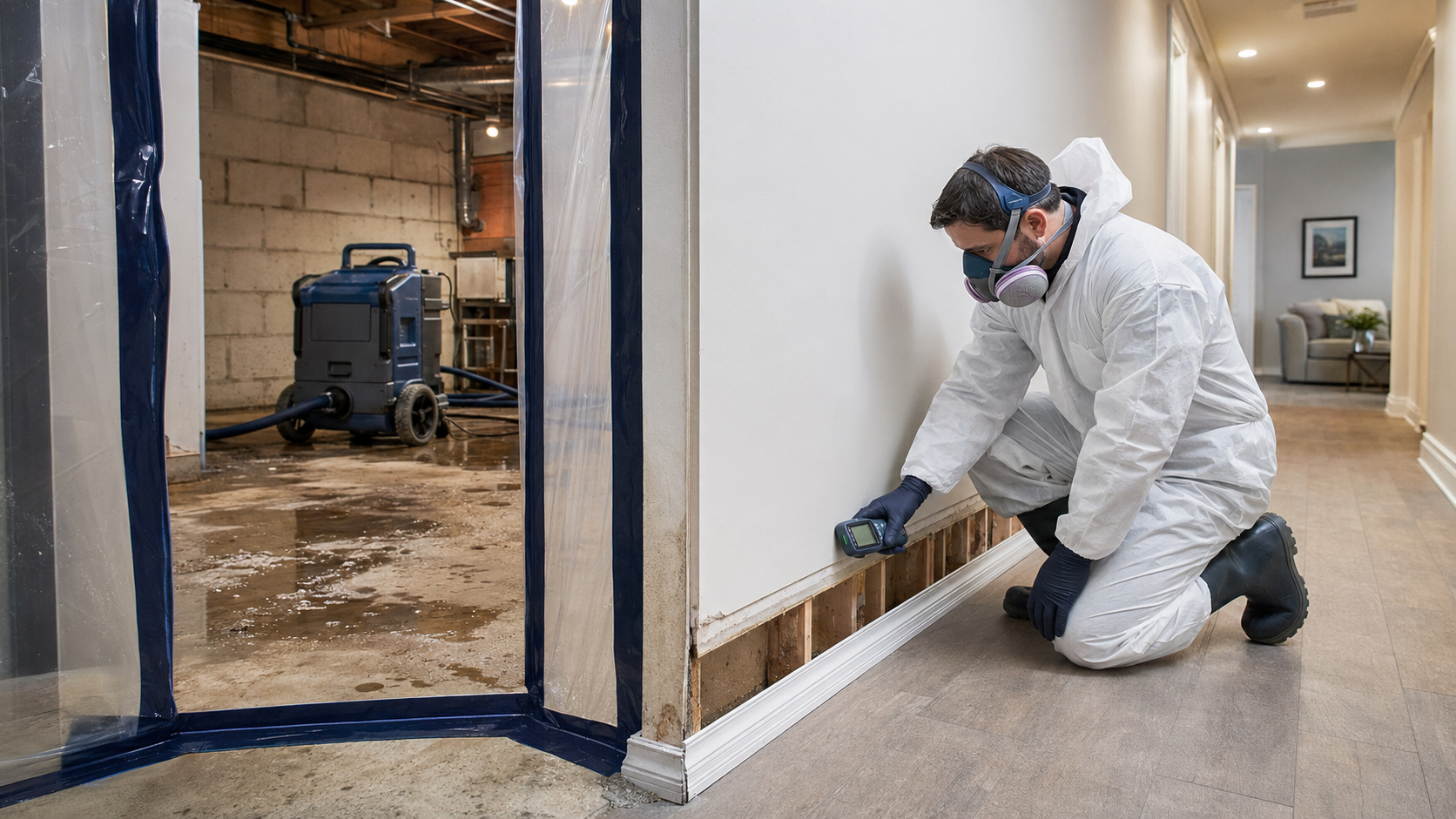
If sewage water has entered an occupied area, avoid unnecessary exposure and contact ServicePros Cleaning & Restoration for professional emergency cleanup.
Sewage water is different from a clean-water leak
Water released by a broken supply line generally begins as clean water. A sewage backup has already passed through a waste system and may carry contaminants into the property. This means the response cannot focus only on extracting water and placing drying equipment.
Can you determine whether the water is contaminated by looking at it? Not reliably. Color and odor may provide warning signs, but water from a drain, toilet, sewer line, septic system, or unknown source should be treated cautiously. Children, pets, tenants, employees, and other occupants should remain away from the affected area while it is evaluated.
Contamination can travel beyond the visible water
Porous Materials Can Absorb More Than Moisture
Carpet, padding, drywall, insulation, unfinished wood, and upholstered items can absorb contaminated water. Removing the surface puddle does not necessarily remove what entered those materials. The restoration plan must consider the source of the water, the distance it traveled, and how long affected materials remained exposed.
Does everything touched by sewage need to be discarded? The answer depends on the material and the extent of contamination. Some nonporous surfaces may be professionally cleaned and treated, while certain absorbent materials may require removal. Experienced
remediation contractors evaluate these conditions before determining what may be restored.
Professional sewage cleanup includes contamination control
Preventing Transfer Into Clean Areas
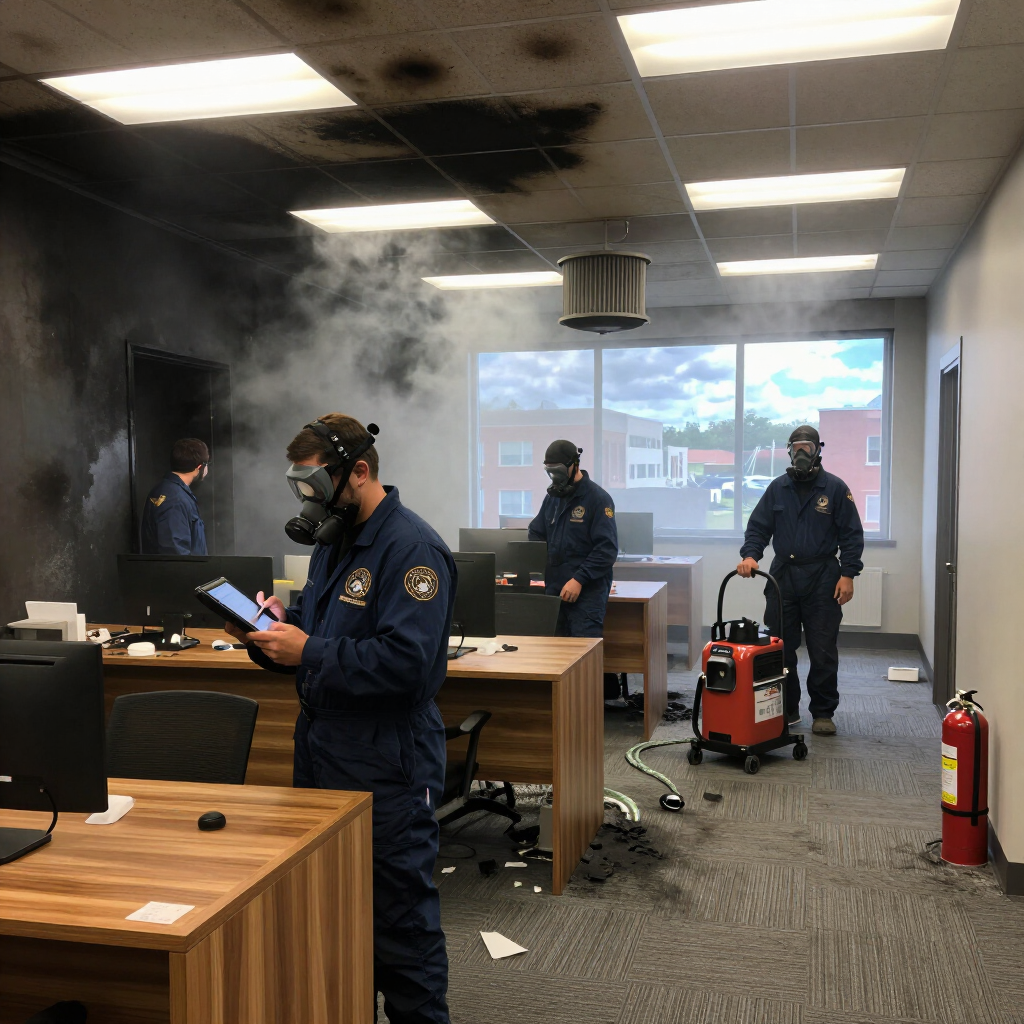
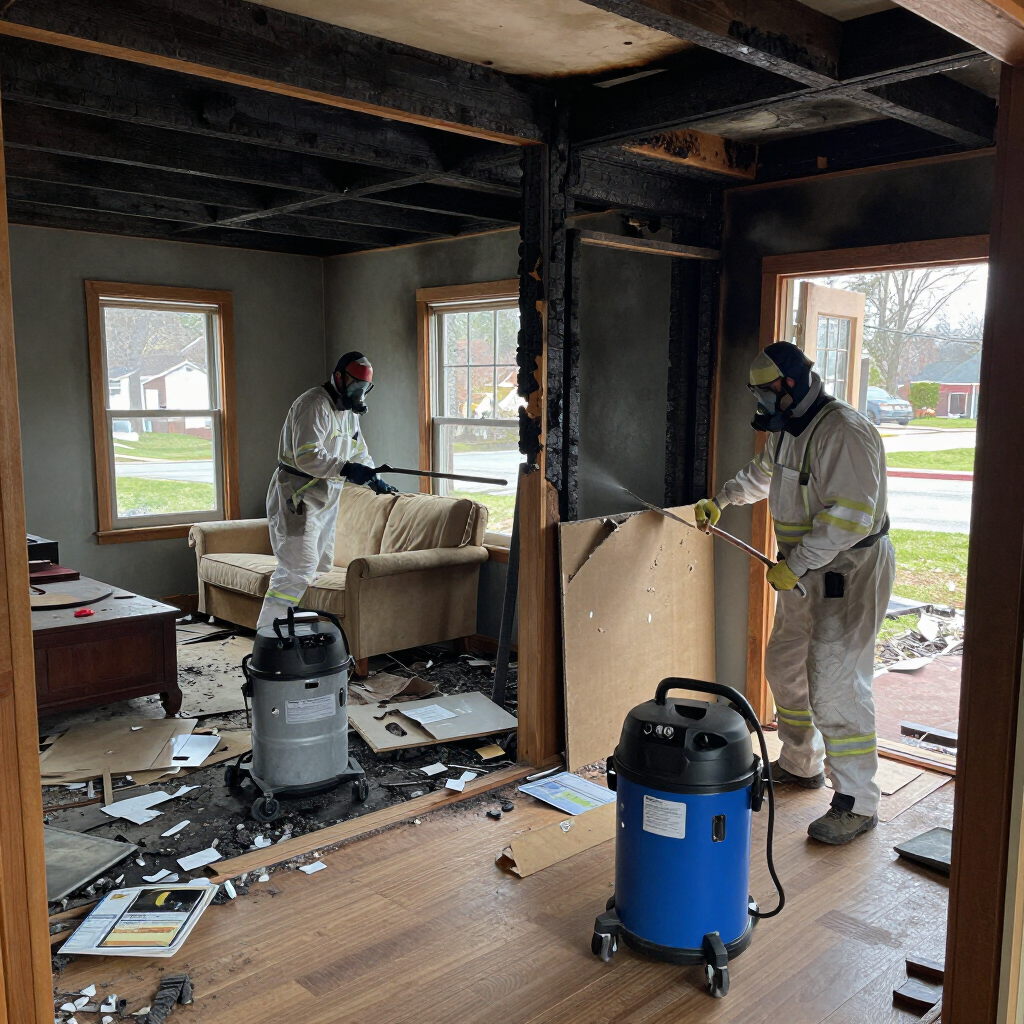
Moving through sewage water or carrying wet belongings across unaffected rooms can transfer contaminants beyond the original space. Professional cleanup may involve isolating the affected area, controlling movement through the property, removing contaminated water, and handling damaged materials carefully.
Cleaning and Removal Follow the Initial Extraction
Is water extraction enough after a sewage backup? No. Extraction addresses accessible water, but sewage cleanup may also require removal of unsalvageable materials, detailed cleaning, appropriate treatment of remaining surfaces, odor control, and documentation. The exact response depends on the affected area and the materials involved.
If the backup reached flooring, walls, cabinets, or multiple rooms, request a professional evaluation before anyone begins repairs or returns belongings to the space.
Structural drying begins after contamination is addressed
Moisture can remain beneath flooring, behind baseboards, inside wall cavities, or in the room below the original backup. Once contaminated materials have been managed and the affected area has been cleaned, structural drying helps reduce moisture left inside the building.
How long does sewage cleanup take? There is no fixed timeline. The process depends on how far the water traveled, which materials were affected, what must be removed, and how long drying takes. ServicePros coordinates sewage-related cleanup with its broader
water damage restoration services, including extraction, moisture assessment, structural drying, and repair planning.
Get professional help after a sewage backup
A sewage backup creates concerns that extend beyond visible water. Contamination, absorbent materials, hidden moisture, and the possibility of spreading waste into clean areas require a controlled professional response.
ServicePros Cleaning & Restoration provides emergency sewage cleanup, water remediation, structural drying, and property restoration support. Prompt evaluation helps establish how far the damage traveled and what the property needs before normal use can safely resume.
If sewage or contaminated water has entered your home or business, keep people away from the affected area and contact ServicePros Cleaning & Restoration for emergency cleanup.