What to Do in the First 24 Hours After Water Damage
Emergency water damage restoration begins with quick safety decisions, water control, documentation, cleanup, and professional moisture inspection. The first 24 hours matter because water can move under flooring, behind walls, into insulation, and through ceiling materials before the full damage is visible. What looks like a small wet area at first can become a larger restoration issue if moisture continues spreading into materials that are not easy to see.
ServicePros Cleaning & Restoration helps homeowners and property managers in Maryland, Washington D.C., and Virginia respond quickly after leaks, flooding, stormwater, appliance failures, sump pump problems, or basement water damage. A fast response helps reduce odors, staining, mold risk, material swelling, and delays before repairs can begin.
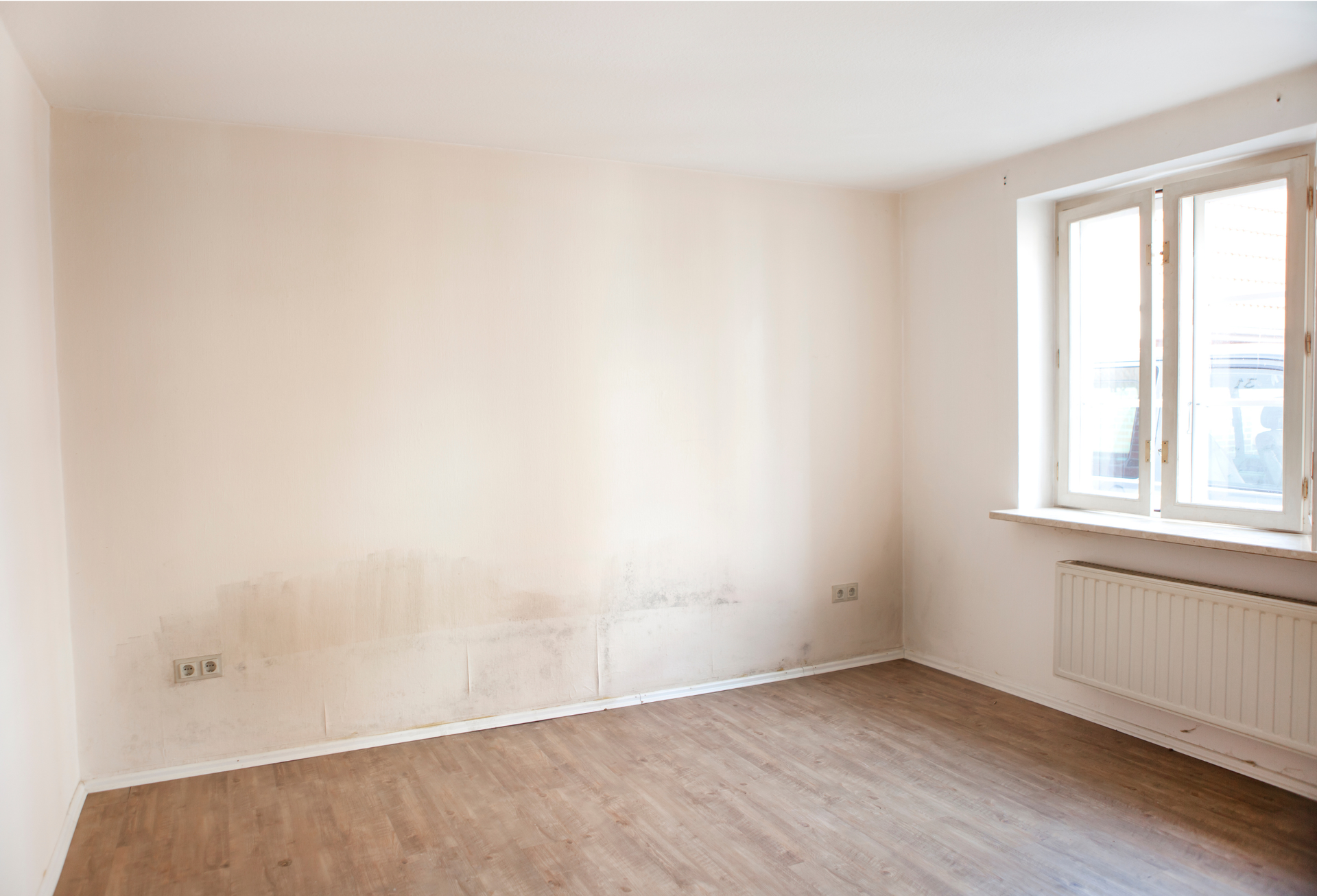
First Hour: Focus on Safety and Stop the Source
The first thing to do after water damage is protect safety. If water is near outlets, appliances, electrical panels, sagging ceilings, or soaked flooring, stay out of the area. Do not enter standing water if electricity may be involved or if the water could be contaminated from sewage, stormwater, or an unknown source.
If it is safe, shut off the water source. That may mean turning off the main water valve, stopping an appliance leak, or avoiding a flooded area until help arrives. Keep children, pets, tenants, or employees away from the affected space. Move dry valuables away from nearby water, but do not carry wet items through clean rooms where moisture and contaminants can spread.
This first hour is also when many property owners ask what they should do first. The answer is simple: stay safe, stop the source if possible, protect unaffected areas, and call for help if water is spreading or soaking building materials.
Hours 1–3: Document the Damage Before Cleanup
Once the area is safe, take photos or videos of the visible damage. Capture standing water, wet flooring, stained drywall, ceiling leaks, damaged belongings, swollen baseboards, and the suspected source of the water. These details can help show what happened before materials were moved or cleanup began.
Documentation can support cleanup planning and may also help with insurance conversations later. ServicePros can document affected materials, moisture readings, service steps, drying progress, and areas that may need removal or repair. This matters because water damage is not always limited to what the camera can see. A stained wall, damp carpet, or wet basement corner may point to deeper moisture behind the surface.
For urgent cleanup needs after flooding, stormwater, or sudden leaks,
learn more about Emergency Cleanup.
Hours 3–6: Start Water Removal and Moisture Control
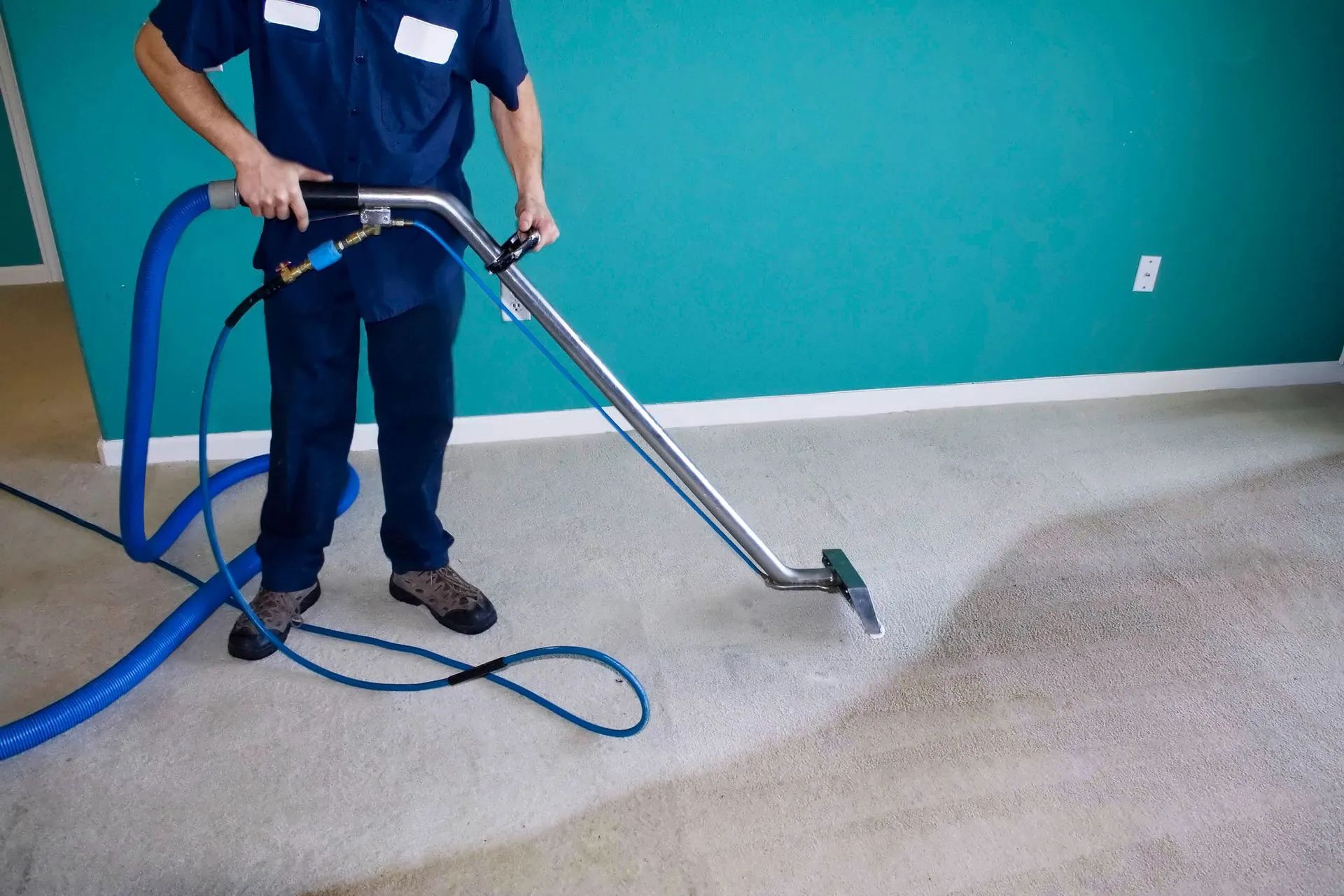
Water extraction should begin as soon as possible when standing water, soaked carpet, wet flooring, or damp basement materials are present. Waiting until the next day can make the damage worse because moisture may continue spreading into drywall, trim, insulation, subflooring, and wall cavities.
This is where water mitigation becomes important. The goal is to limit how far moisture spreads, protect materials that can be saved, and identify what may need removal before drying begins. Fast water extraction can also help reduce musty odors, surface staining, and the chance that cleanable materials become too damaged to restore.
ServicePros looks at the source of the water, the type of materials affected, and the amount of moisture present. A small appliance leak may require a different response than flood cleanup after stormwater enters a basement. The sooner the right plan begins, the easier it is to protect the property from secondary damage.
Call ServicePros for emergency cleanup services before moisture spreads deeper into the property.
Hours 6–12: What Professionals Inspect
A professional inspection looks beyond the visible water. ServicePros technicians may check walls, floors, baseboards, ceiling areas, insulation, humidity levels, crawl spaces, and hidden cavities where moisture can stay trapped. They may also look for musty odors, warped trim, bubbling paint, soft drywall, damp carpet padding, or signs that water moved into nearby rooms.
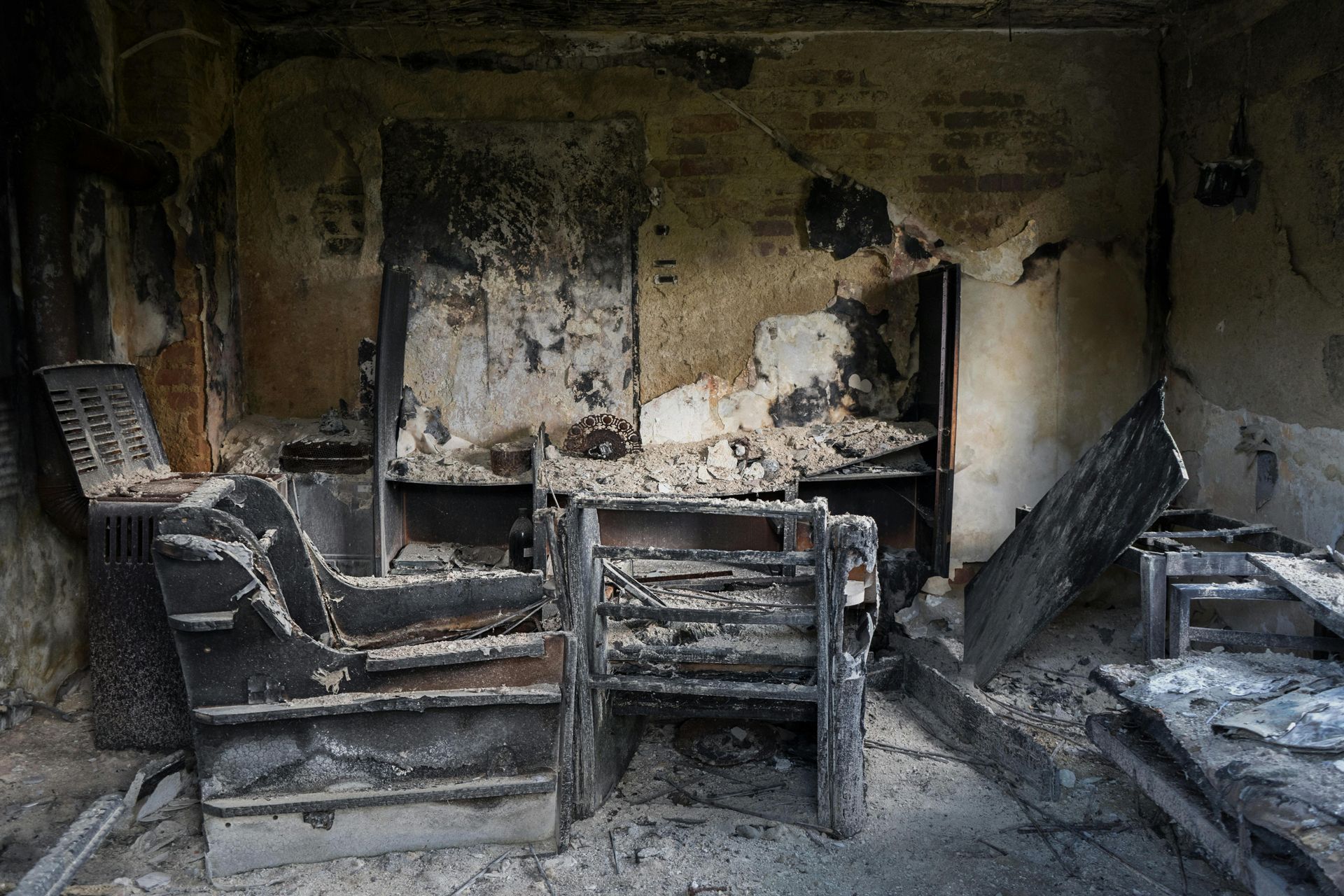
This step matters because a room can look dry while materials behind the surface are still wet. Moisture left behind can lead to odors, staining, warped materials, mold concerns, and more complicated property restoration later. Professional inspection helps answer a key question: is the property only wet on the surface, or has water reached materials that need drying, removal, or closer monitoring?
ServicePros also helps property owners understand what should happen before repairs begin. Replacing drywall, flooring, or trim too soon can trap dampness inside the structure and create future problems.
Hours 12–24: Drying and Restoration Planning
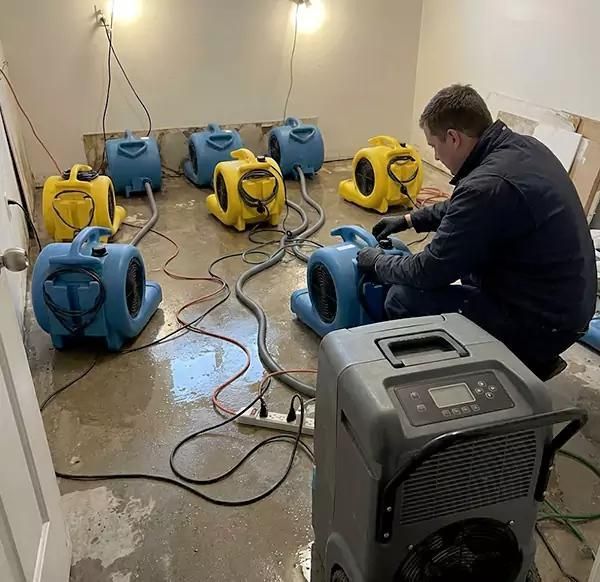
After water is removed, the property still needs controlled drying. Air movers, dehumidification, moisture monitoring, and selective material removal may be needed depending on the water source and affected materials. Drying should be based on actual conditions, not only on how the room looks or feels.
Flood cleanup is not complete just because the visible water is gone. Carpet padding, drywall, insulation, wood flooring, cabinets, and baseboards can hold moisture after the surface appears dry. If the affected area is closed up too quickly, the property may develop recurring odors, stains, mold growth, or repair failure.
By the end of the first 24 hours, the goal is to have the water source controlled, visible water removed, affected areas documented, and a drying plan in place. ServicePros helps property owners understand what can be dried, what should be removed, and when repairs should begin. This creates a clearer path from emergency response to property restoration.
Ready for the next step? Contact ServicePros for drying, cleanup, and restoration planning.