Emergency Flooding Services: What to Do in the First 60 Minutes
When water enters your home or business, the first hour matters. Emergency flooding services help stop damage from spreading, remove standing water, begin drying, and reduce the risk of hidden moisture problems. In Maryland, Washington D.C., and Virginia, ServicePros often sees flooding tied to heavy rain, basement seepage, storm runoff, plumbing failures, and older building materials that absorb water quickly.
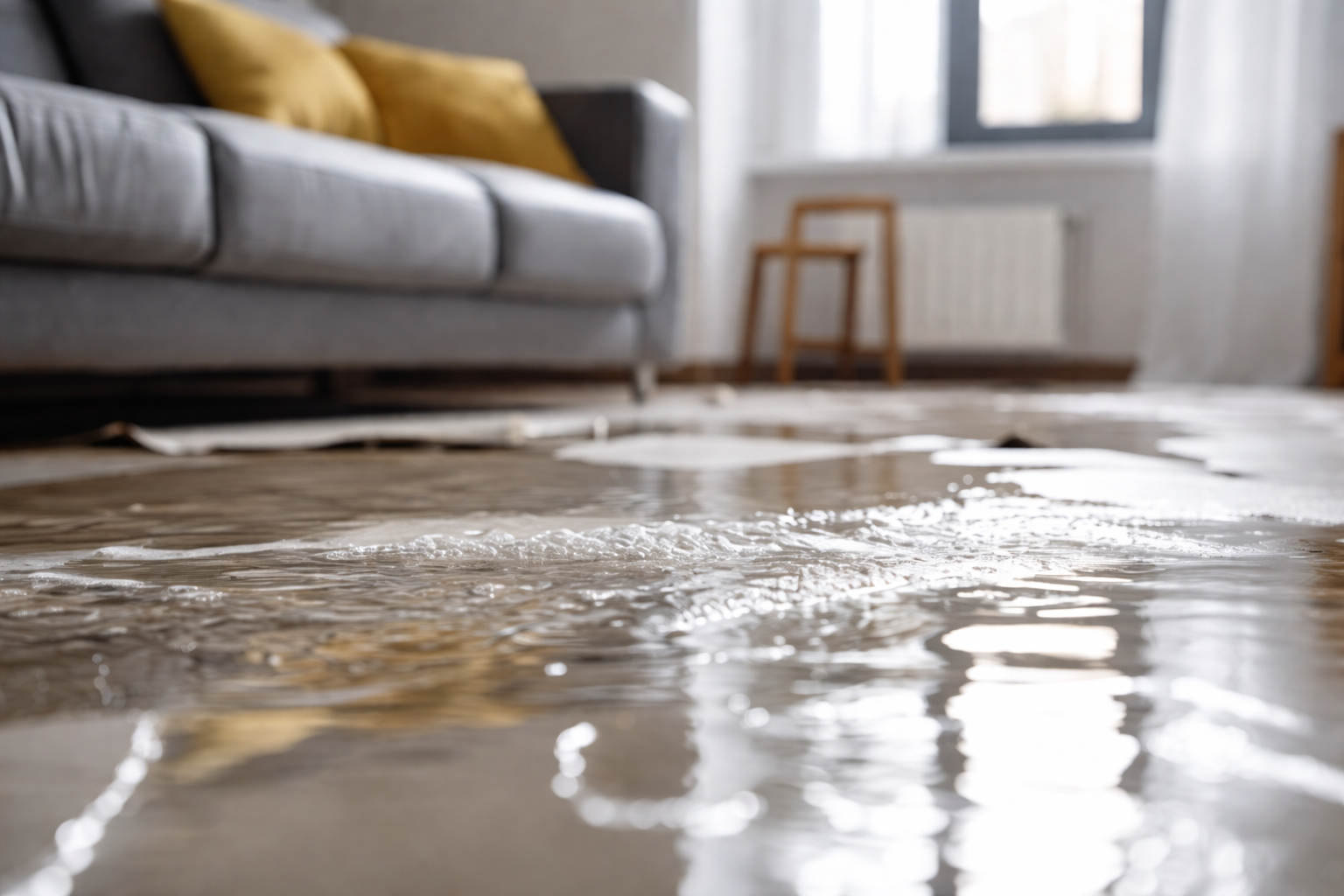
0–10 Minutes: Stay Safe and Stop the Source
Before cleaning anything, focus on safety and try to identify where the water is coming from. The source can affect the level of risk, the cleanup priority, and whether you should shut off water, avoid the area, or call for emergency help immediately.
Common flooding sources include:
| Flooding Source | What It May Mean | First Action |
|---|---|---|
| Burst pipe | Pressurized water is entering the home | Shut off the main water valve |
| Failed sump pump | Basement water is rising | Avoid electrical contact and call for help |
| Stormwater intrusion | Exterior drainage may be overwhelmed | Move valuables and request storm damage cleanup |
| Appliance leak | Washer, water heater, or dishwasher failure | Turn off the appliance and water supply |
| Sewer backup | Contaminated water may be present | Avoid contact and call professionals immediately |
After identifying the likely source, take only the steps that are safe. If water is near outlets, appliances, electrical panels, or sagging ceilings, stay out of the area.
Start with these steps:
- Turn off the water source if possible.
- Avoid rooms with standing water near electricity.
- Keep children and pets away from affected areas.
- Do not touch wet electrical devices or outlets.
- Stay off weakened floors, soaked carpet, or sagging areas.
10–30 Minutes: Protect What You Can
Move dry items away from the affected area if it is safe. Lift curtains, small furniture, papers, and valuables from wet flooring. Avoid dragging soaked items across clean rooms because flood cleanup can spread moisture and contaminants.
ServicePros technicians often find that water travels farther than it looks, especially under baseboards, behind drywall, and into finished basement materials. A flooded basement may look manageable on the surface while insulation, framing, and flooring are still holding moisture.
30–60 Minutes: Call for Professional Help
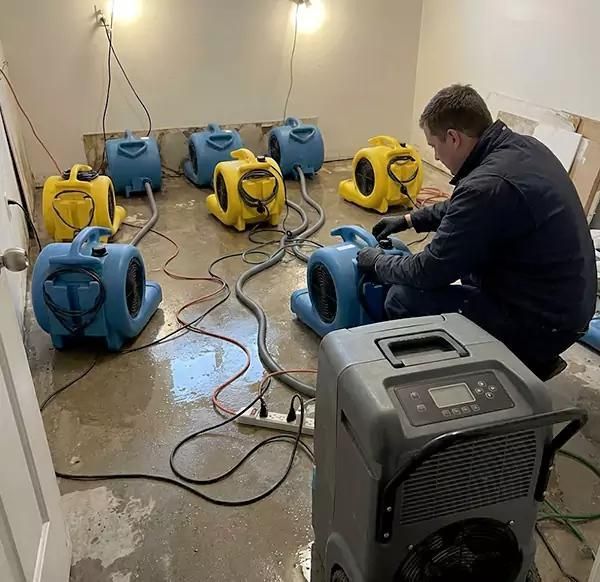
This is the point when emergency water extraction becomes critical. The longer water sits, the more it can soak into carpet padding, wood trim, drywall, and subflooring. ServicePros uses field experience, moisture readings, drying equipment, and documentation to guide the water mitigation process from the beginning.
Call ServicePros if you notice:
- Standing water or soaked flooring
- Damp walls, trim, or insulation
- Musty odors after flooding
- Water stains spreading upward
- Storm damage cleanup needs after heavy rain
Call ServicePros Cleaning & Restoration for fast emergency flooding help in Maryland, Washington D.C., and Virginia.
Why the First Hour Matters
Moisture does not stay in one place. In Mid Atlantic homes and commercial buildings, humidity, older construction, crawl spaces, and finished basements can make drying more complicated. Water can move behind baseboards, under flooring, into insulation, and through wall cavities before the damage is fully visible.
That is why the first hour can make a real difference. The sooner the drying process begins, the easier it is to limit moisture movement, protect affected materials, and reduce hidden mold risks. ServicePros helps property owners take the right steps early with licensed and insured service, careful moisture evaluation, and labor warranties for peace of mind.
Need help now? Contact ServicePros for inspection, extraction, drying, and restoration planning.
FAQs About Emergency Flooding Services
How fast can mold grow after flooding?
Mold can begin developing within 24 to 48 hours when moisture remains trapped in walls, floors, carpet, or insulation. Fast drying and moisture testing help reduce that risk.
Does insurance cover flooding damage?
Coverage depends on the cause of the water damage and your policy. ServicePros can document affected areas, drying steps, and visible damage to help support your insurance process.
Should I clean the water myself first?
You can move dry items if it is safe, but standing water, contaminated water, and soaked building materials should be handled by trained restoration professionals.