Why Fast Water Extraction Matters Before Drying Begins
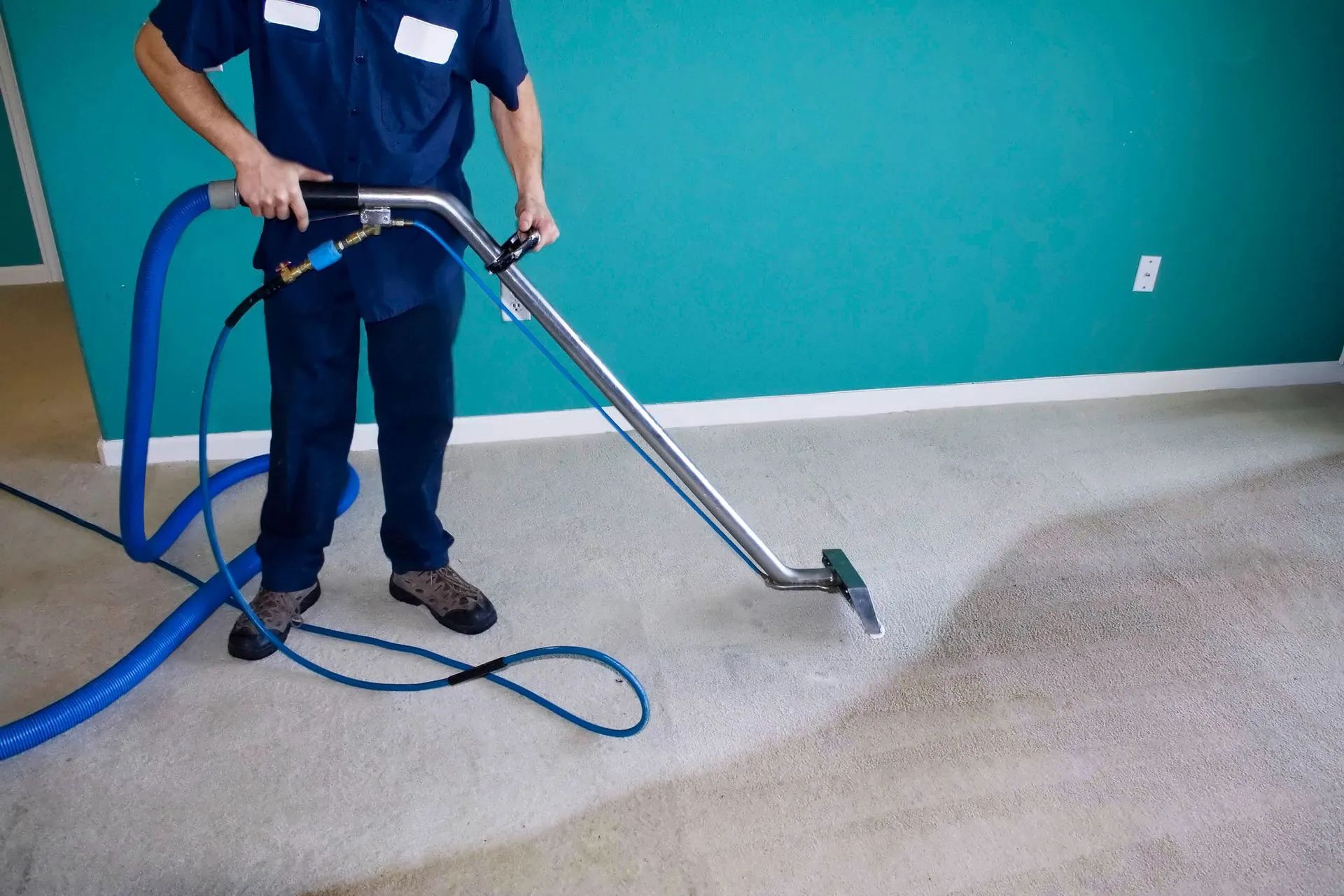
When water enters a home or business, drying should not be the first step if standing water or saturated materials are still present. Emergency water extraction helps remove the bulk of the water before drying equipment is placed, giving the rest of the restoration process a better chance of working properly.
ServicePros Cleaning & Restoration helps property owners in Maryland, Washington D.C., and Virginia respond after flooding, leaks, appliance failures, sump pump issues, and stormwater entry with inspection, water removal, drying support, and restoration planning.
Need water removed quickly? Contact ServicePros for emergency help, or learn more about our Water Damage Restoration Service.
Why Removing Standing Water Comes First
Removing standing water first matters because drying equipment works best after the largest amount of water has already been taken out of the space. If water is still pooled on the floor, trapped in carpet, or soaking through padding, fans and dehumidifiers may not be enough to control the damage.
This first step helps reduce the amount of water sitting inside flooring, trim, drywall edges, subflooring, and porous materials. It also supports water damage restoration by limiting how much moisture continues moving through the property before the drying phase begins.
What Happens When Water Is Left Too Long
Water does not stay where it first appears. It can spread under flooring, behind baseboards, into drywall, through wall cavities, and into insulation. The longer water remains, the harder moisture removal can become.
A common question property owners ask is whether they can wait until the area starts drying on its own. In many cases, waiting increases risk. Materials may begin to swell, odors may develop, and hidden moisture may move into areas that looked unaffected at first. Fast extraction helps reduce those secondary problems before they become part of a larger emergency restoration project.
How Extraction Supports the Drying Process
Once visible water is removed, technicians can better evaluate what still needs drying. This is where water mitigation becomes more precise. ServicePros can check whether moisture remains in carpet padding, drywall, baseboards, cabinets, insulation, or flooring layers.
Drying is not only about placing equipment in a room. It should be guided by what materials are wet, how long they were wet, and whether hidden moisture is present. After extraction, structural drying can begin with a clearer plan. For more detail on what happens during the drying phase,
read the Structural Drying Blog.
Equipment Used Before and During Drying
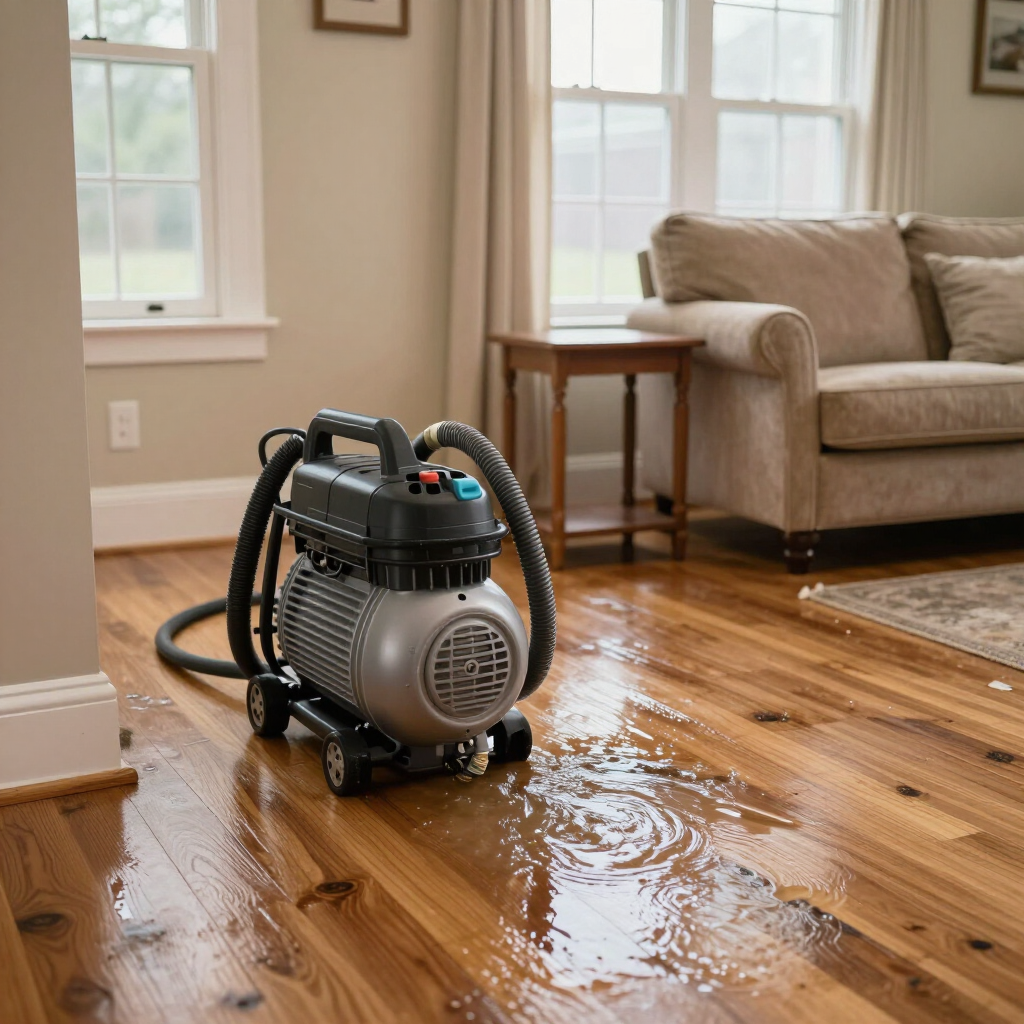
Professional water removal may involve extraction tools, pumps, moisture meters, air movers, dehumidifiers, and monitoring equipment. Each tool has a different role. Extraction equipment removes water from the property, while drying equipment helps reduce moisture left in materials and indoor air.
ServicePros uses field evaluation to decide what is needed based on the source of the water and the materials affected. Flood cleanup after stormwater may require a different approach than a supply line leak or appliance overflow. The goal is to remove water first, then dry the structure in a controlled way.
Trapped Moisture Can Delay Repairs
A room can look better after water is removed, but that does not mean it is ready for repairs. Moisture can remain beneath flooring, behind trim, inside wall cavities, or under cabinets. If repairs begin too soon, trapped moisture can lead to recurring odors, stains, warped materials, or mold concerns.
Should drywall, flooring, or trim be replaced right away after water extraction? Not always. The affected area should be checked and dried first so repairs are not covering up moisture that still needs attention.
ServicePros helps property owners understand what can be dried, what may need removal, and when the space is stable enough for the next phase.
Before repairs begin, call ServicePros for extraction, moisture checks, drying, and restoration planning.
Why Delays Increase Restoration Risk
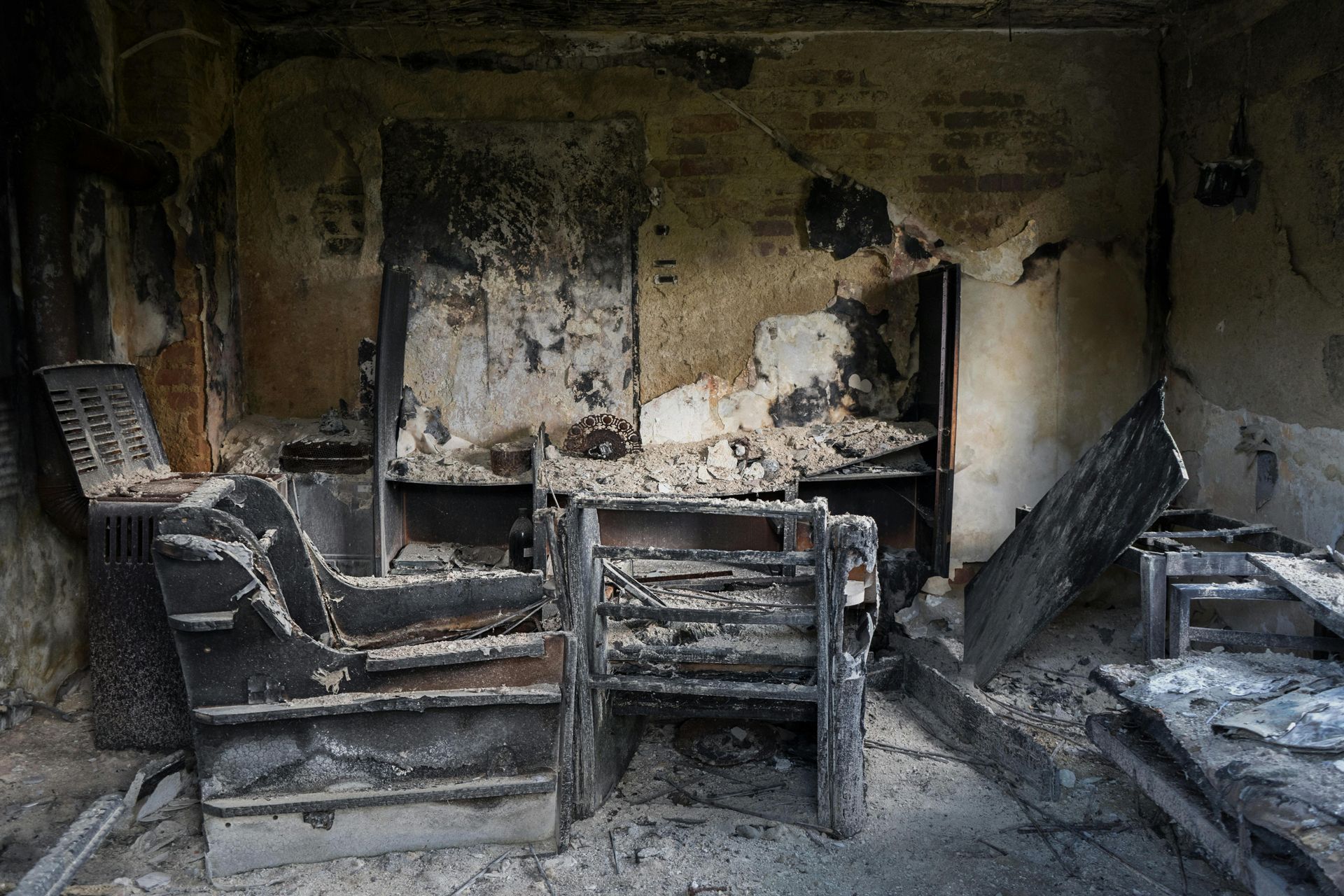
Delays can make the entire process more complicated. Water that could have been removed quickly may soak deeper into materials, spread into nearby rooms, or create conditions that require more removal and repair.
Fast response is especially important in finished basements, commercial spaces, older homes, rental properties, and rooms with carpet, drywall, insulation, or wood flooring. In those spaces, water can hide beneath the surface while the visible area starts to look dry.
ServicePros provides licensed and insured service, practical field evaluation, and labor warranties for added peace of mind. The team helps property owners move from water removal to drying and property restoration in the right order.
Need fast emergency water extraction? Contact ServicePros for immediate cleanup support.