The 48-Hour Window: Acting Fast to Stop Mold After Water Damage
What happens early on matters more than what you can see
It rarely begins with something dramatic. A faint odor near the baseboard. A section of drywall that feels slightly different. Maybe a recent leak that seemed contained and already “handled.” Nothing about it suggests urgency.
But beneath the surface, conditions begin shifting almost immediately. Moisture moves inward, settling into materials that don’t dry as quickly as they appear. And in that hidden space, mold after water damage can begin forming long before there are visible signs.
What happens next depends less on how the damage looks and more on how quickly it’s addressed.
The timeline that unfolds behind the surface
Water does not remain in one place. Once it enters a home, it spreads through porous materials, often faster than expected.
The water damage timeline begins the moment moisture is absorbed into drywall, wood, or insulation. Even when surfaces feel dry to the touch, internal moisture can remain active.
- 0 to 24 hours: Moisture penetrates materials, creating ideal conditions for microbial activity
- 24 to 48 hours: Mold spores begin activating and establishing early growth
- Beyond 48 hours: Mold colonies expand, increasing the risk of structural impact
This progression is not always visible, which is why the situation can feel under control when it is already developing.
Why the first 48 hours carry the most weight
There is a brief window where water damage can still be resolved before mold becomes a factor.
During this time, the focus must go beyond surface drying. The objective is to remove moisture from the structure itself, not just what can be seen. The ability to prevent mold growth depends entirely on how thoroughly that moisture is addressed.
Once mold begins forming, the situation shifts. What could have been managed with drying alone often requires material removal, containment, and specialized remediation. That shift introduces more complexity, more time, and greater cost.
The difference is often measured in hours, not days.
Where mold begins when everything looks dry
One of the most common misconceptions is that if a space looks dry, the problem has been resolved.
In reality, moisture tends to settle where it is least visible. Behind walls, beneath flooring, and within insulation, it can remain long enough to support mold growth.
In many Maryland homes, especially those with basements or limited airflow, this effect is amplified. Humidity slows the drying process, allowing moisture to linger in areas that are rarely inspected.
Professionals specializing in mold remediation focus on identifying these concealed pockets of moisture. Using detection tools, they locate what cannot be seen, ensuring the problem is addressed at its source rather than its symptoms.
Early changes that signal something deeper
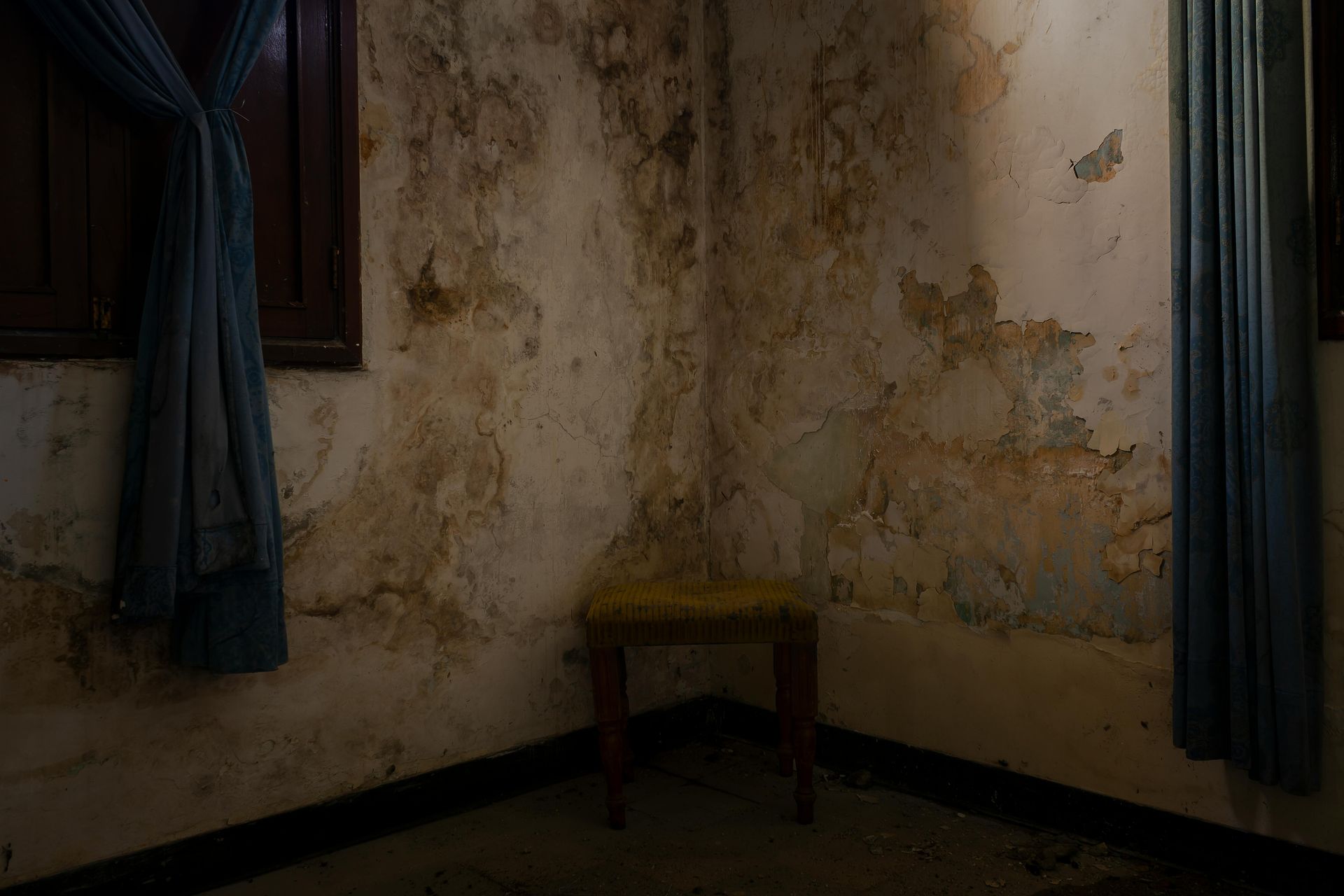
Mold rarely announces itself immediately. Instead, it changes the environment in subtle ways.
The air may feel heavier. A musty odor may persist even after cleaning. Surfaces may begin to show slight warping or discoloration that develops gradually rather than all at once.
These early indicators are easy to overlook because they don’t feel urgent. Yet they often reflect conditions that have already allowed mold to begin forming out of sight.
Recognizing these changes early can significantly alter the outcome.
The actions that shape the outcome
Responding to water damage is less about reacting and more about acting with precision.
The steps taken early determine whether the situation remains contained or begins to expand.
- Stop the source of water to prevent continued exposure
- Remove standing water quickly before it penetrates deeper materials
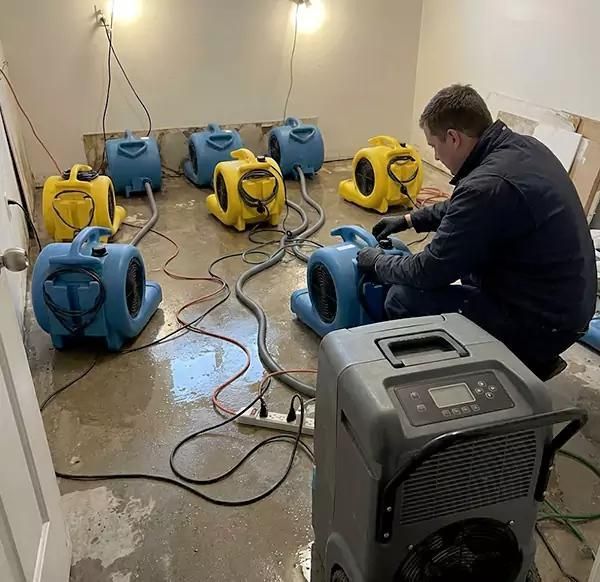
- Begin controlled drying with proper airflow and dehumidification
- Limit disturbance in affected areas to avoid spreading contaminants
- Schedule a professional evaluation to identify hidden moisture
Each of these steps plays a role, but they must be done thoroughly. Incomplete drying often leaves enough moisture behind to sustain mold growth.
Why professional remediation changes the trajectory
Once moisture moves beyond the surface, it becomes difficult to fully resolve without specialized tools.
Service Pros Cleaning & Restoration approaches water damage with a comprehensive process that addresses both immediate moisture and the conditions that allow mold to develop. This ensures that the issue is resolved completely, not partially.
Their process includes:
- Advanced moisture detection to locate hidden water intrusion
- Industrial-grade drying systems designed for structural materials
- Safe removal of compromised materials when necessary
- Targeted treatments that support efforts to prevent mold growth
Early involvement at this stage often prevents more extensive remediation later.
Environmental conditions that accelerate mold growth in Maryland
Regional conditions play a significant role in how quickly mold develops. In Maryland, humidity and seasonal weather patterns create an environment where moisture does not dissipate easily. Even after visible water is removed, surrounding conditions can continue to support mold growth.
This is why mold after water damage can progress more quickly in this region. Homes that have experienced prior water exposure are particularly vulnerable, as residual moisture can remain within structural components.
The impact of waiting longer than expected
Time changes the scope of the problem. What begins as a localized issue can extend into structural materials, requiring more invasive work. Drywall, flooring, and insulation may need to be removed once mold has spread beyond the surface.
Early action typically results in:
- Reduced structural damage
- Lower restoration costs
- Faster recovery
Delays allow conditions to worsen in ways that are not always immediately visible.
Protecting your home before the damage expands
Water damage creates uncertainty because it often develops out of sight. What appears manageable at first can evolve quickly if underlying moisture is not addressed.
Taking action within the first 48 hours allows homeowners to stay ahead of that progression. It limits the impact, protects the structure, and reduces the likelihood of long-term issues.
Contact Service Pros Cleaning & Restoration today to respond quickly to water damage and protect your home from developing mold conditions before they spread further.