Can You Stay in Your Home After a Fire? What Experts in Maryland Recommend
The first decision after a fire is often the most uncertain
The silence after a fire can feel unsettling. No sirens, no urgency, just the weight of what just happened. At some point, almost every homeowner asks the same thing: Can I actually stay here tonight?
Understanding after fire damage what to do starts with that decision. And it’s not as straightforward as it seems.
Why your home may look safer than it actually is
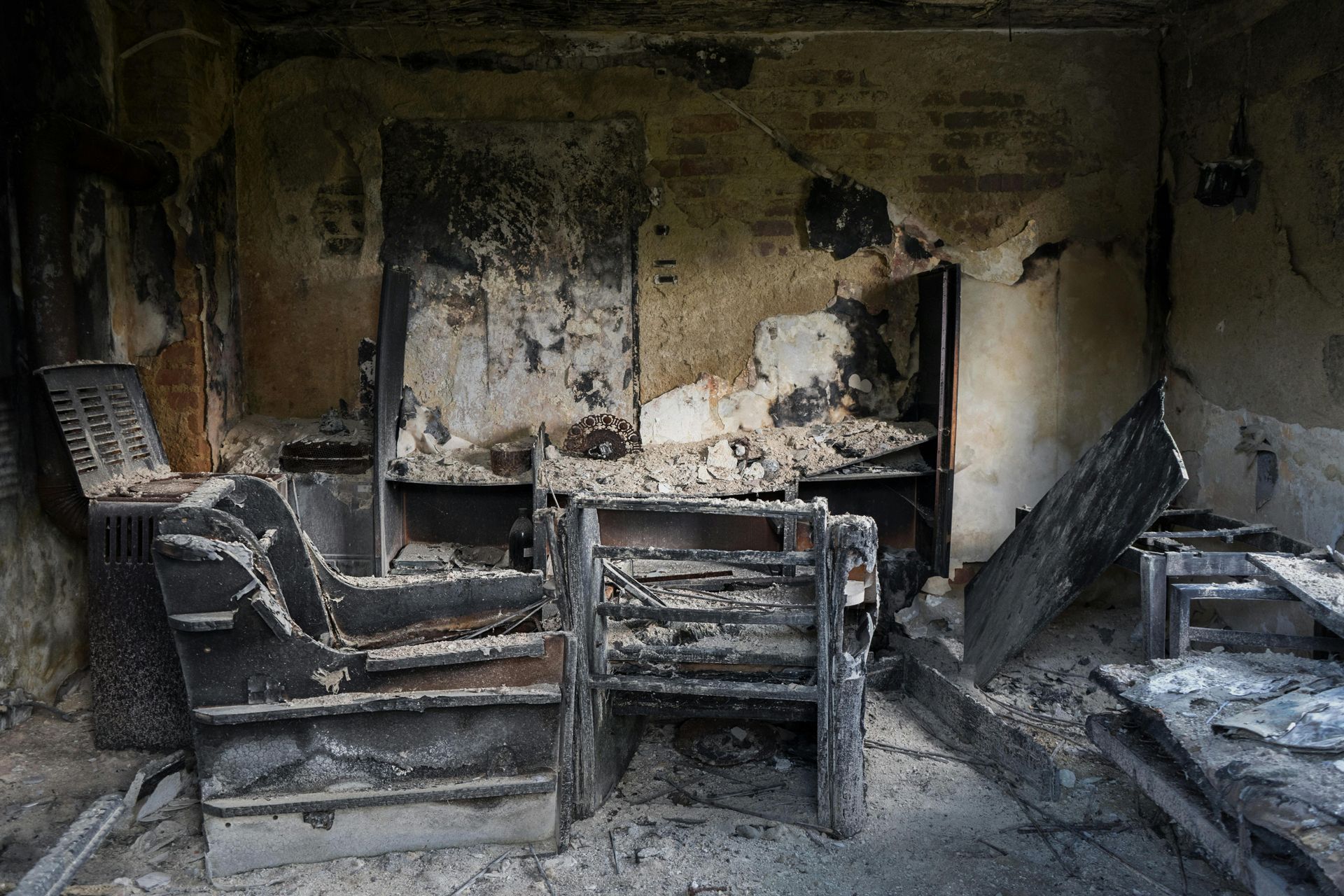
After a fire, visual damage tells only part of the story. Flames might have been contained to one area, but heat and smoke don’t follow clean boundaries.
They move through:
- Air ducts
- Wall cavities
- Ceiling spaces
That means parts of your home that appear untouched can still carry serious fire damage safety concerns, especially when it comes to air quality and structural stability.
What you’re breathing in matters more than what you see
One of the biggest risks after a fire isn’t always visible. Burned materials release fine particles and chemicals that stay suspended in the air. These can come from everyday items, furniture, wiring, insulation, materials that were never meant to be inhaled after combustion.
Exposure to these elements creates real smoke exposure risks, including:
- Respiratory irritation
- Headaches or fatigue
- Aggravation of existing conditions
And here’s the difficult part: the air doesn’t always signal danger clearly. The smell can fade while harmful particles remain.
“The damage is only in one room”, is that enough to stay?
This is where many homeowners feel conflicted. If the fire was contained, it feels reasonable to isolate the problem and continue using the rest of the home, but smoke behaves differently. It spreads quietly, often reaching areas you wouldn’t expect.
Even rooms that look clean may have: Residue in vents, particles embedded in fabrics, contaminants circulating through airflow systems.
Without proper testing, it’s difficult to know which areas are truly safe.
When do professionals consider a home safe to stay in?
There isn’t a one-size answer, but there is a process.
Restoration specialists evaluate:
- Structural integrity (especially after high heat exposure)
- Air quality levels
- Electrical system safety
- Extent of soot and smoke spread
Teams providing emergency cleanup services use specialized equipment to measure what can’t be detected by sight or smell. That assessment is what guides the decision, not assumptions.
What should you do in the first hours after a fire?
Right after the incident, your priority isn’t restoring normal, it’s avoiding further risk. Focus on: Waiting for official clearance before re-entering, limiting time inside affected areas, avoiding contact with soot and debris. Trying to clean or reorganize too early can expose you to harmful residues and make professional restoration more difficult later.
Why waiting to address damage can create bigger problems
Fire damage continues to evolve even after everything looks calm.
Soot can:
- Corrode surfaces over time
- Stain materials permanently
- Trap odors deep within structures
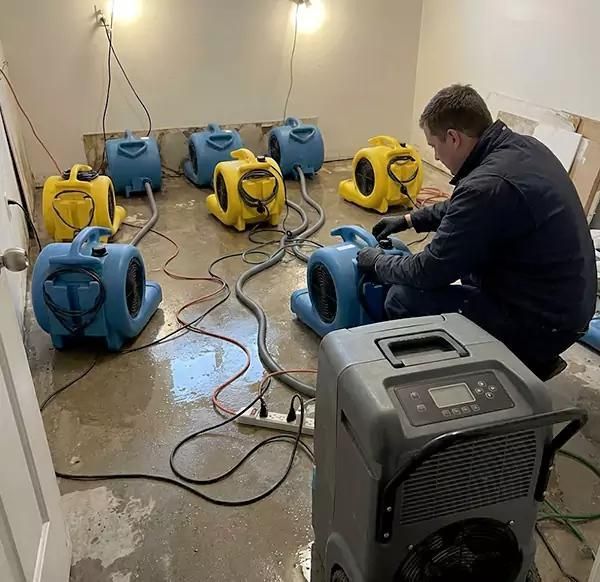
Moisture from firefighting efforts can also introduce additional complications, sometimes requiring both fire and water-related restoration work.
Handling this properly often requires coordinated emergency restoration services to stabilize the home before deeper repairs begin.
Making the decision that protects you, not just your home
Choosing whether to stay or leave isn’t just about convenience. It’s about understanding what your home is going through after the fire and what your body is being exposed to in the process.
Even when things seem manageable on the surface, hidden risks can still be present. Taking a step back allows the space to be properly evaluated, cleaned, and restored without putting yourself in harm’s way.
Contact Service Pros Cleaning & Restoration today to get expert guidance and immediate support after fire damage in your home.