Mold Types in Homes: What Maryland Homeowners Should Know About Health Risks
Not all mold behaves the same, and that difference matters
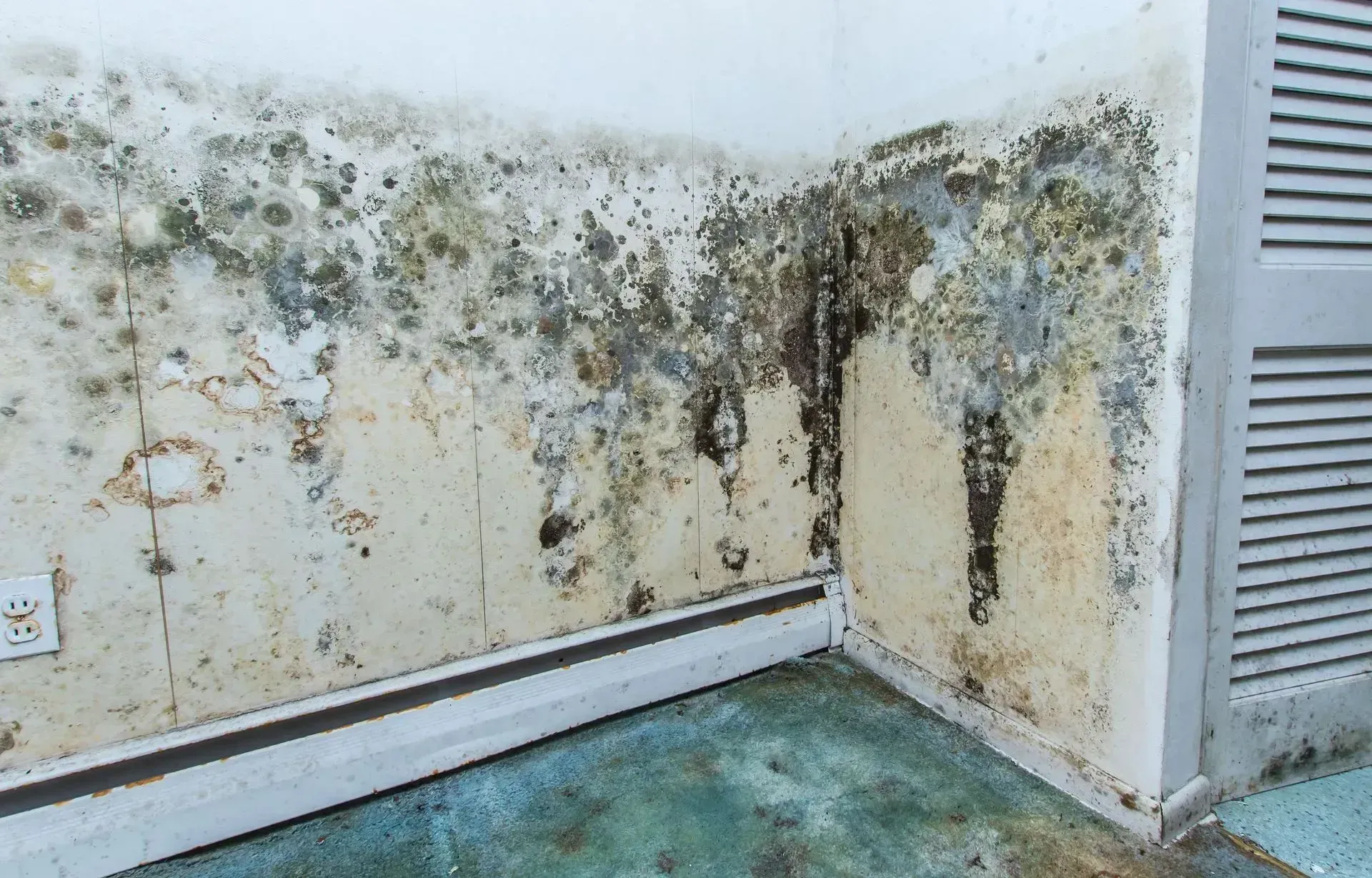
Mold is not always obvious at first. It can begin as a faint discoloration in a corner, a subtle change in the air, or a persistent smell that doesn’t seem to go away. Over time, what feels minor starts to raise questions, what exactly is growing, and more importantly, is it harmful?
Understanding the types of mold in homes is what allows homeowners to move from uncertainty to clarity. Not all mold looks the same, and not all of it affects a home or health in the same way. Knowing what to look for and how it impacts your environment is key to protecting both your property and indoor air quality.
Why mold type matters more than most homeowners think
Mold is often treated as a single issue, but in reality, it varies widely in behavior, appearance, and potential impact.
Some types spread quickly across surfaces, while others develop more slowly but penetrate deeper into materials. Certain molds are more likely to affect sensitive individuals, especially when exposure is prolonged.
This is where proper mold identification becomes important. Understanding the specific type helps determine how it should be handled and what level of concern is appropriate. Without identification, it’s difficult to assess the full scope of the issue.
Common mold types found inside homes
While there are thousands of mold species, a few are more commonly found in residential environments.
- Cladosporium: Often appears as dark green or brown spots and can grow on wood, fabrics, and HVAC systems
- Penicillium: Known for spreading quickly, typically found on water-damaged materials
- Aspergillus: Frequently found indoors, with variations that can affect air quality
- Stachybotrys: Develops in consistently damp areas and is often associated with prolonged moisture exposure
Each of these falls under the broader category of types of mold in homes, but their behavior and impact can differ significantly depending on environmental conditions.
How mold affects indoor air quality over time
Mold does not stay confined to surfaces. As it grows, it releases microscopic particles into the air. These particles can circulate through the home, affecting spaces far beyond where the mold originated.
Over time, this can influence indoor air quality, especially in enclosed areas or homes with limited ventilation. Even small amounts of mold can contribute to noticeable changes in how the air feels.
This is often one of the first indicators homeowners notice, even before visible growth becomes apparent.
Understanding potential health effects
The impact of mold exposure varies depending on the individual and the level of exposure.
For some, the health effects may be mild, such as irritation or discomfort. For others, particularly those with sensitivities, the response can be more pronounced.
Common concerns include:
- Respiratory irritation
- Increased allergy symptoms
- Sensitivity to indoor environments
While not all mold presents the same level of concern, prolonged exposure in enclosed spaces increases the likelihood of noticeable effects.
When mold growth becomes a larger concern
There is a difference between isolated surface mold and a broader issue within the home.
Mold becomes more significant when:
- It continues to return after cleaning
- It spreads across multiple areas
- It is associated with water damage or moisture issues
- It affects enclosed or poorly ventilated spaces
At this stage, a professional mold inspection helps determine how far the issue has extended and what steps are needed to resolve it.
Why moisture control is the key to prevention
Mold growth is directly tied to moisture. Without it, mold cannot develop. Controlling humidity, addressing leaks promptly, and ensuring proper ventilation all contribute to reducing the likelihood of mold forming in the first place.
Even when mold is removed, underlying moisture must be addressed to prevent recurrence. This is often where long-term solutions are most effective.
The role of professional assessment and remediation
Identifying and addressing mold properly requires more than surface cleaning.
Service Pros Cleaning & Restoration provides a detailed approach that focuses on both identifying the type of mold and addressing the conditions that allow it to grow. This ensures that the issue is resolved at its source.
Their process includes:
- Accurate mold identification
- Comprehensive mold inspection of affected areas
- Removal of contaminated materials when necessary
- Steps to restore and improve indoor air quality
This approach helps ensure that mold is not only removed, but prevented from returning.
Why Maryland homes are more prone to mold growth
Environmental conditions in Maryland contribute to higher mold risk compared to drier regions.
Humidity, seasonal weather patterns, and common home structures like basements create conditions where moisture can linger. This increases the likelihood of different types of mold in homes developing if not properly managed.
Homes with previous water damage or poor ventilation are particularly susceptible.
Protecting your home and health with the right approach
Mold is often subtle in how it begins, but its impact can grow over time if left unaddressed.
Understanding the different types, recognizing early signs, and taking action when needed helps keep the situation under control. With the right approach, it’s possible to maintain a healthier indoor environment and protect the structure of the home.
Contact Service Pros Cleaning & Restoration today to schedule a mold inspection and protect your home’s air quality with professional care.