Crawl Space Moisture Problems That Lead to Mold
Crawl space moisture can create problems long before homeowners see visible mold inside the living space. Damp air, wet insulation, standing water, poor ventilation, plumbing leaks, and humid summer conditions can all allow moisture to collect beneath the home. Over time, that moisture can affect indoor odors, flooring, wood framing, insulation, and the overall comfort of the house.
ServicePros Cleaning & Restoration helps homeowners in Maryland, Washington D.C., and Virginia identify moisture concerns before they become larger mold or water damage problems. When a crawl space smells musty, feels damp, or begins affecting the rooms above it, a professional moisture inspection can help determine what is happening and what needs to be addressed.
Noticing musty odors, soft floors, or damp crawl space conditions? Contact ServicePros for a moisture inspection, or learn more through the Mold Remediation Service Page.
Why Crawl Spaces Hold Moisture
Crawl spaces are naturally vulnerable to dampness because they sit close to the ground and often have limited airflow. Heavy rain, humid weather, foundation seepage, plumbing leaks, poor drainage, or exposed soil can all allow moisture to collect underneath the home.
The problem is that crawl space moisture rarely stays isolated. Damp air can rise into the house, and materials in the crawl space can begin holding water. Insulation may sag, wood may stay damp, and odors may move into nearby rooms. If moisture remains long enough, mold prevention becomes harder because the crawl space keeps supplying the conditions mold needs to grow.
Musty Odors Inside the Home
One of the first signs of a crawl space problem is a musty odor. Homeowners may notice the smell near floor vents, closets, lower-level rooms, or areas above the crawl space. The odor may become stronger after rain or during humid summer weather.
What does a musty smell from a crawl space usually mean? It often means damp materials are present below the home. That may include wet insulation, damp soil, moisture on wood framing, or mold growth that is not visible from inside the living space. ServicePros uses practical moisture detection to understand whether the odor is only a ventilation issue or a sign of a larger moisture concern.
Soft Floors, Sagging Insulation, and Damp Materials
Crawl space moisture can affect the structure and comfort of the home. Floors may feel soft, uneven, or bouncy when wood framing or subflooring has been exposed to damp conditions for too long. Insulation can absorb moisture, lose performance, sag, or fall away from the floor system.
These signs should not be ignored because they can point to water damage restoration needs below the surface. A homeowner may only feel a soft spot in the floor, but the crawl space may show damp wood, wet insulation, standing water, or moisture trapped around framing. For water-related damage affecting building materials,
learn more through the Water Damage Restoration Service.
How Moisture Can Lead to Mold
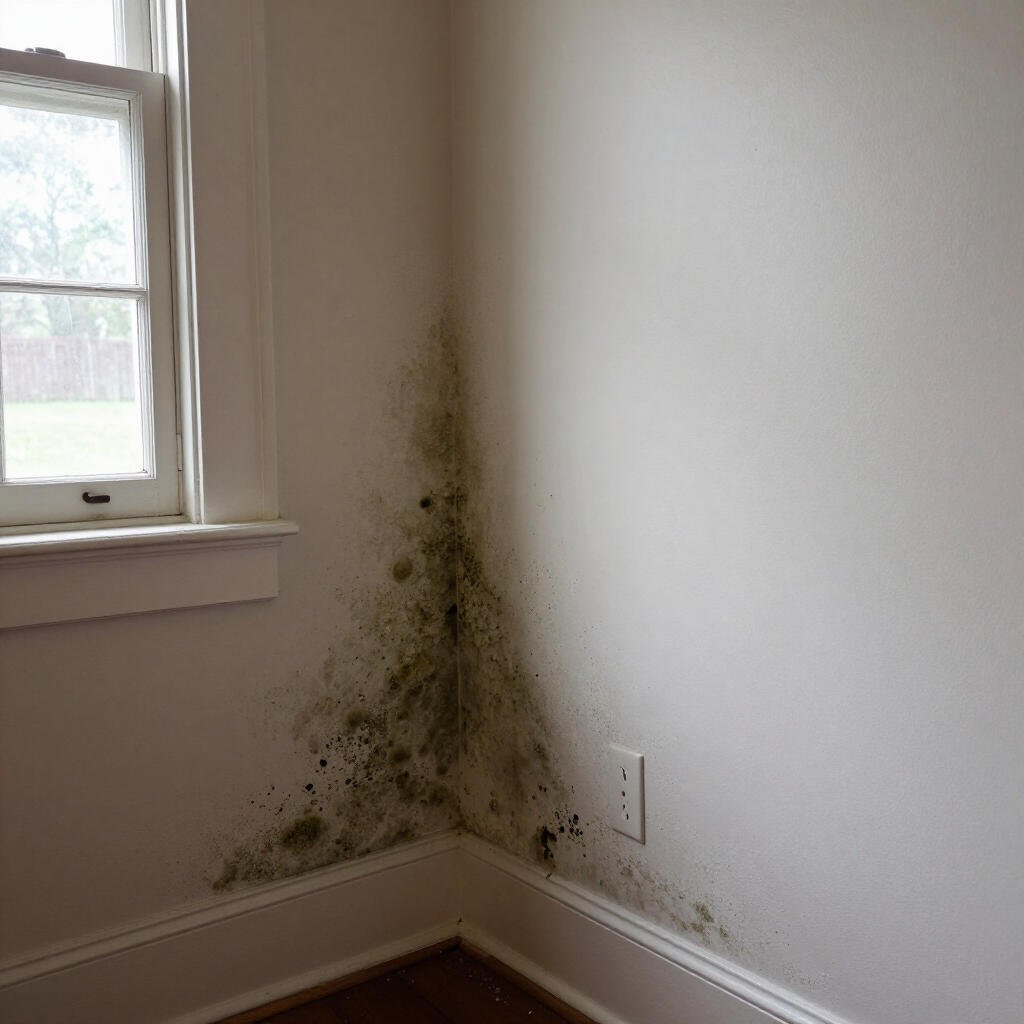
Mold can grow when moisture remains on or inside materials such as wood, insulation, drywall, stored items, or subflooring. Crawl spaces can make this problem worse because they are often dark, humid, and difficult to inspect without proper equipment.
Can crawl space mold affect the rest of the home? It can, especially when odors, humidity, or air movement connect the crawl space to living areas. That is why professional evaluation matters. ServicePros looks for the moisture source first, then determines whether the area needs cleaning, drying, removal of affected materials, or mold remediation support.
Drying the Crawl Space Before Repairs
Before damaged insulation, wood, or other materials are repaired or replaced, the moisture problem needs to be controlled. If repairs happen while the crawl space is still damp, odors and mold concerns may return.
Structural drying may be needed when moisture has affected framing, subflooring, or enclosed areas. Depending on the condition of the crawl space, ServicePros may recommend drying equipment, dehumidification, material removal, or continued monitoring. The goal is to make sure the affected area is stable before repair planning begins.
When to Call ServicePros for a Moisture Inspection
Call ServicePros if you notice musty odors, soft floors, damp insulation, standing water, high humidity, staining, or visible mold near the crawl space. You should also call after heavy rain, plumbing leaks, sump pump issues, or repeated moisture problems under the home.
A moisture inspection helps answer the most important question: is this a minor dampness issue, or is the crawl space already affecting the structure and indoor conditions of the home? ServicePros provides licensed and insured service, practical field evaluation, and labor warranties for added peace of mind.