Site conditions that can change a fire and smoke restoration project in Bethesda
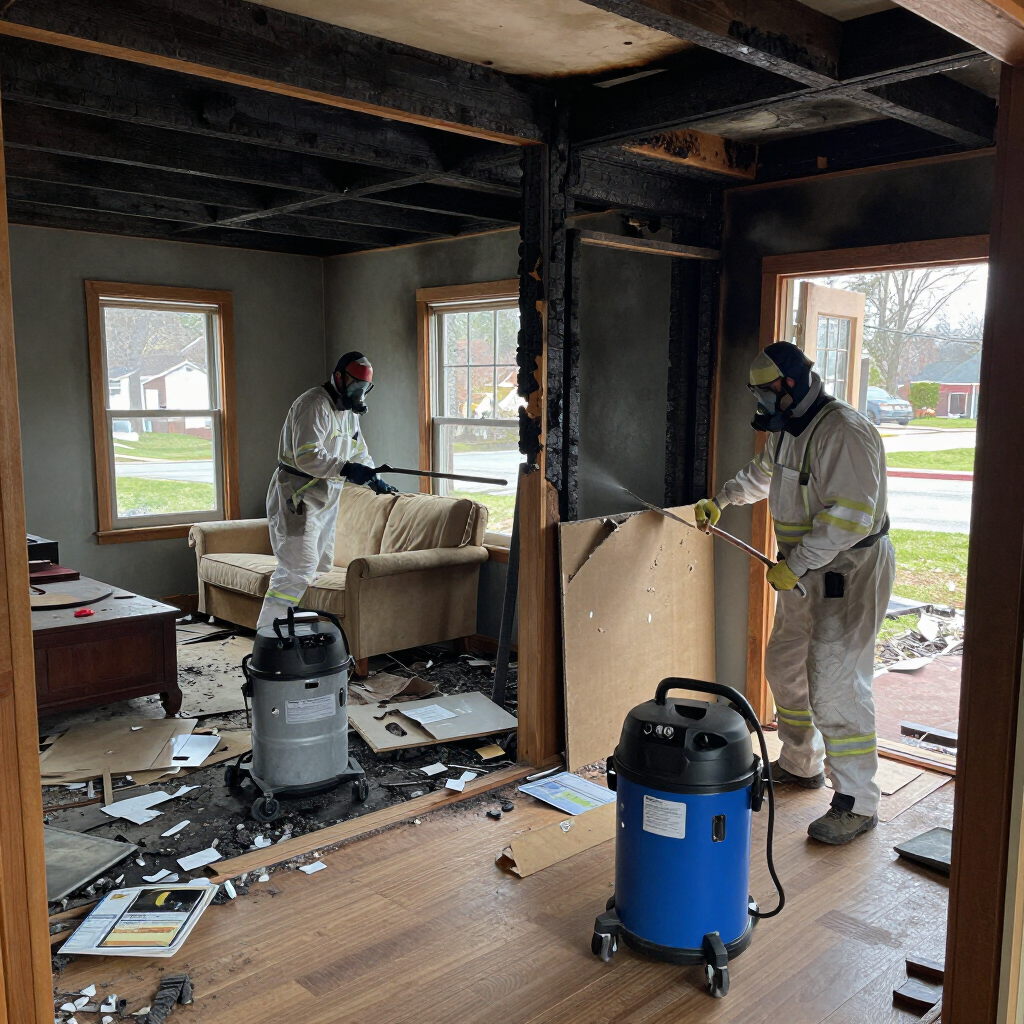
Fire damage is not limited to materials directly exposed to flames. Smoke can move between rooms, soot can settle on surfaces far from the source, and water used during emergency response can reach walls, flooring, and concealed building cavities.
For that reason, two properties with apparently similar damage may require different restoration plans. Building layout, access, materials, ventilation, occupancy, and water exposure can all influence the scope.
ServicePros provides fire and smoke restoration in Bethesda, MD for residential and commercial properties. Each project begins with the conditions found on site rather than a standard cleanup package.
Structural stability determines where work can begin
Before cleanup starts, the affected areas must be evaluated for safe access. Heat and fire can weaken framing, flooring, ceilings, stairs, and other building components.
Damage near an entrance or staircase may restrict the crew’s route into the property. Unstable ceilings or debris can also prevent immediate access to rooms that need inspection.
When unsafe areas are identified, stabilization or controlled material removal may need to happen before detailed cleaning begins. This can change the order of the project and require coordination with building officials, engineers, insurance representatives, or other qualified professionals.
Property owners should not enter restricted areas to retrieve belongings until authorized to do so.

Has fire, smoke, soot, or firefighting water affected your Bethesda property?
Request immediate help from ServicePros so the affected areas and site conditions can be evaluated..
Firefighting water can expand the restoration scope
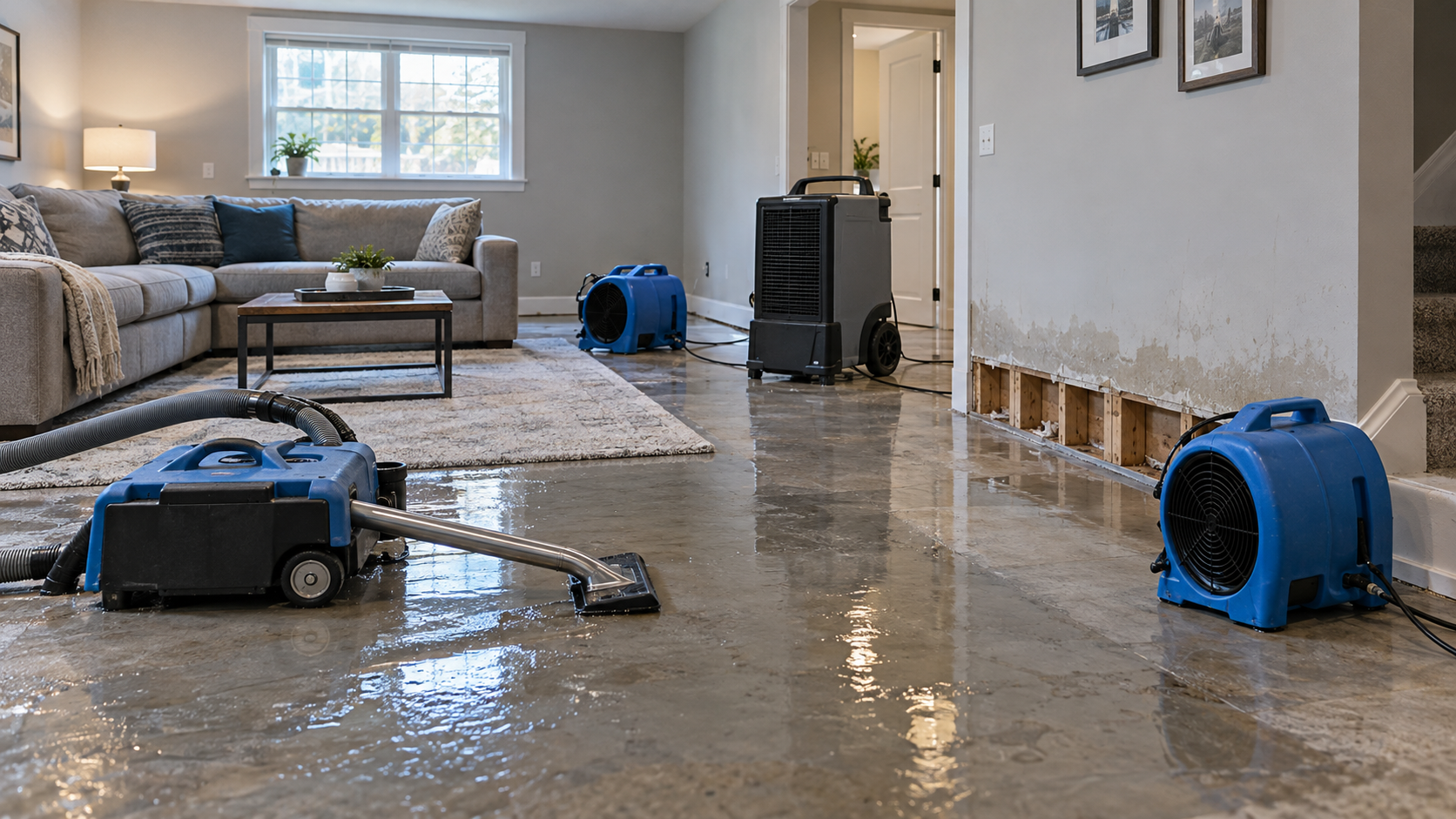
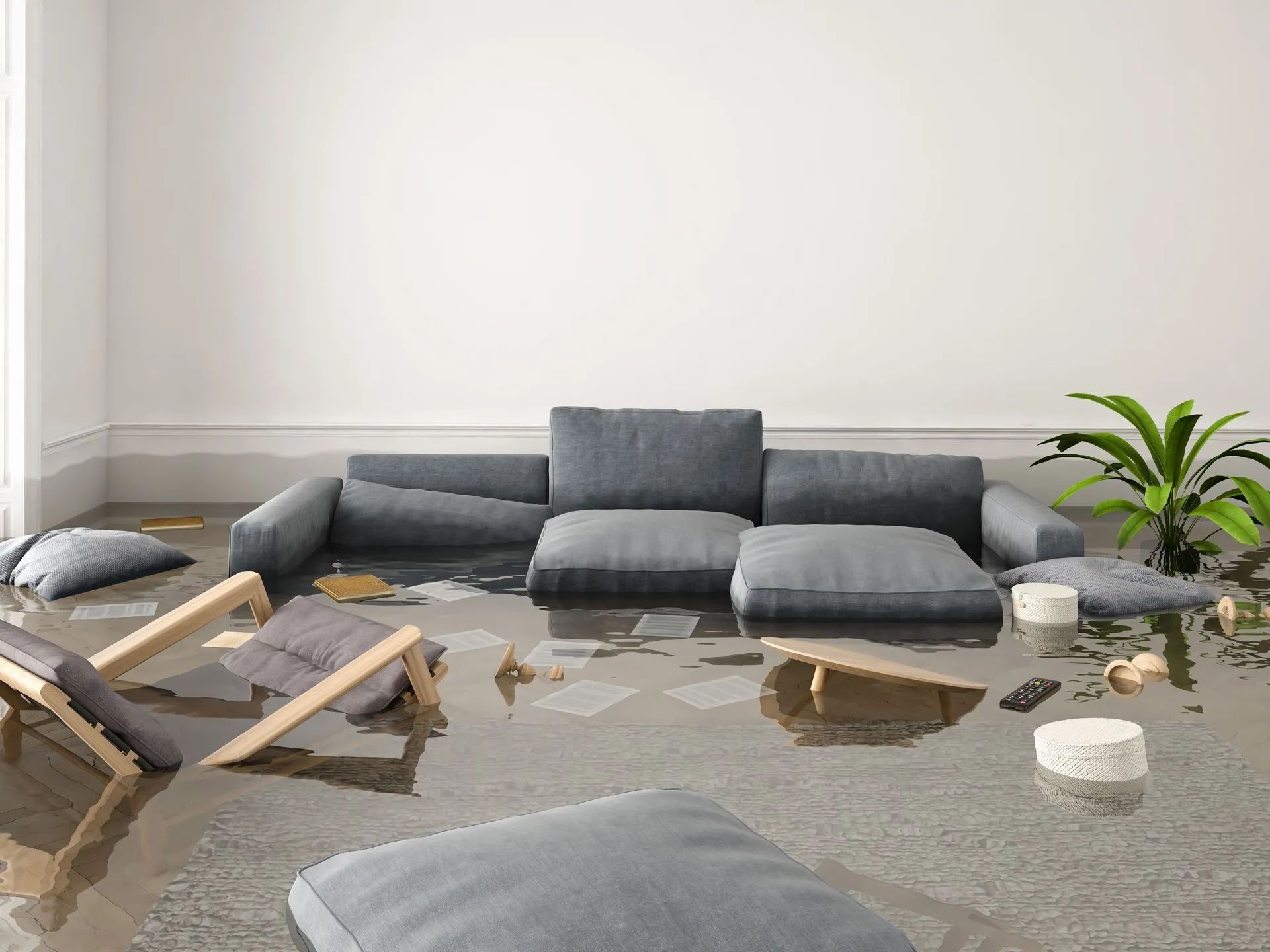
Water used to control a fire may travel beyond the visibly burned area. It can move beneath flooring, enter wall cavities, affect lower levels, or remain inside insulation and other porous materials.
A project that initially appears to involve soot and smoke may therefore also require water extraction, moisture detection, structural drying, or removal of materials that cannot be restored.
The source and extent of the water matter. Clean water from one source may require a different response from water that has passed through fire debris, damaged building materials, or contaminated areas.
Drying and fire cleanup should be coordinated so moisture is not sealed behind newly installed finishes.
HVAC systems can move smoke through the property
Heating and cooling systems may distribute smoke particles and odors beyond the room where the fire occurred. Open doors, stairwells, utility chases, shared ducts, and pressure differences can create additional pathways.
The assessment should consider whether the system was operating during the incident and which areas it serves. Filters, registers, accessible components, and surrounding surfaces may need to be evaluated as part of the restoration plan.
Odor treatment alone should not substitute for identifying affected materials. If residue remains on surfaces or inside porous components, the odor may return after the property is occupied again.
ServicePros’
fire damage restoration services address smoke, soot, odors, damaged materials, and the repairs required after cleanup.
Building materials respond differently to smoke and heat
Drywall, unfinished wood, painted surfaces, masonry, flooring, insulation, metals, textiles, and cabinetry do not absorb or retain residue in the same way.
The type of fire can also influence the residue left behind. Burned plastics, cooking oils, wood, fabrics, and electrical components may create different cleaning challenges.
A material that can be cleaned in one part of the property may require removal in another because of heat damage, heavy residue, water exposure, or loss of structural integrity. Testing a cleaning method on a controlled area can help determine whether restoration is practical.
This material-specific evaluation prevents the scope from being based only on square footage.
Contents and personal property affect access
Furniture, electronics, documents, merchandise, equipment, artwork, and stored belongings may occupy the same areas that require restoration.
Some contents may be suitable for evaluation and cleaning, while others may be too damaged to restore. Items may also need to be documented, moved, or packed out before crews can reach walls, flooring, and other affected surfaces.
Property owners should identify essential documents, medications, business records, or high-priority belongings, but they should not remove objects from an unsafe or contaminated area without guidance. Moving soot-covered items through unaffected rooms can spread residue.
Clear responsibility for inventory, documentation, cleaning, storage, and return should be established early.
Occupied and commercial properties need operational planning
A fire in an office, retail property, multifamily building, or other occupied space creates additional decisions. The restoration plan may need to account for tenants, employees, customers, deliveries, security, shared entrances, and adjoining businesses.
It may be possible to isolate an affected area while another portion remains accessible, but that decision must be based on safety and contamination conditions—not convenience alone.
ServicePros’ guide to commercial restoration after water or fire damage explains how work areas, inventory, documentation, and business interruption can influence recovery planning.
Building management should designate one authorized contact to communicate access requirements, approve decisions, and provide updates to occupants.
Site access can influence equipment and scheduling
Narrow driveways, limited parking, elevators, loading restrictions, security procedures, and shared building entrances can affect how equipment and damaged materials move through the property.
In condominiums or managed buildings, the project may require elevator reservations, certificates of insurance, approved working hours, or protection for common areas. Detached homes can present different concerns, including stairs, gates, landscaping, or limited exterior access.
These conditions do not necessarily prevent restoration, but they should be identified before the work schedule is finalized.
Repairs should follow documented cleanup and readiness
Reconstruction should begin after the affected areas have been cleaned, dried when necessary, and reviewed for the next phase.
Before walls or ceilings are closed, confirm which materials were removed, what areas were treated, and whether outstanding structural, electrical, plumbing, or mechanical work remains.
The final scope may include drywall, flooring, trim, cabinetry, paint, or more extensive reconstruction. Keeping cleanup and repair decisions connected helps reduce gaps between contractors and avoids covering unresolved damage.
ServicePros coordinates assessment, stabilization, cleanup, odor treatment, damaged-material removal, and restoration according to the conditions found at Bethesda properties.
Contact ServicePros for immediate fire and smoke restoration assistance or call 301-252-7929 to discuss the damage and access conditions at your property.
Related restoration resources
- Fire damage restoration services
- Emergency restoration services in Bethesda
- Commercial restoration services
- Request immediate restoration help