After the Fire: A Maryland Homeowner’s Guide to First Steps and Cleanup
What remains after the fire is where the real work begins
There’s a moment after a fire when everything goes quiet. The immediate danger has passed, but what remains feels uncertain. The air carries a lingering smell, surfaces are covered in residue, and parts of the home no longer feel familiar. It’s not always clear what should happen next or where to even begin.
This is where understanding fire damage cleanup becomes critical. The steps taken in the hours following a fire don’t just affect how the home looks, they determine how well it can be restored and how much damage can be prevented from spreading further.
The first phase begins once the fire is out
When firefighters leave, the situation shifts from emergency response to recovery. That transition can feel abrupt, especially when the full extent of the damage isn’t immediately visible.
Before anything else, the home must be cleared for safe re-entry. Structural damage, weakened materials, and electrical risks may still be present. Even areas that appear unaffected can have hidden vulnerabilities.
This stage is not about cleaning yet. It’s about ensuring the environment is stable enough to begin the next steps.
What continues to affect the home after the fire
The damage caused by a fire doesn’t stop once the flames are extinguished.
Smoke moves throughout the home, settling into walls, ceilings, and ventilation systems. Soot begins interacting with surfaces almost immediately, and its acidic nature can lead to permanent staining if not addressed quickly.
Water used during firefighting adds another layer, introducing moisture into already compromised materials.
This combination is why smoke damage restoration is not just a secondary step, it’s an essential part of the overall cleanup process. Without it, lingering contaminants can continue to affect both the structure and indoor air quality.
Early decisions that shape the entire recovery process
The hours following a fire often feel overwhelming, but this is when the most important decisions are made.
Acting quickly helps limit how far damage spreads. Soot becomes more difficult to remove over time, and smoke odors settle deeper into materials. Moisture from firefighting efforts can also begin affecting structural components if not addressed early.
Timely action creates a path toward a more controlled and efficient restoration process, while delays tend to expand both the scope and cost of the work required.
Immediate actions that help stabilize the situation
Once the home is safe to enter, there are several important steps that help limit further damage:
- Secure the property to protect it from additional exposure
- Avoid disturbing soot-covered areas, which can spread residue
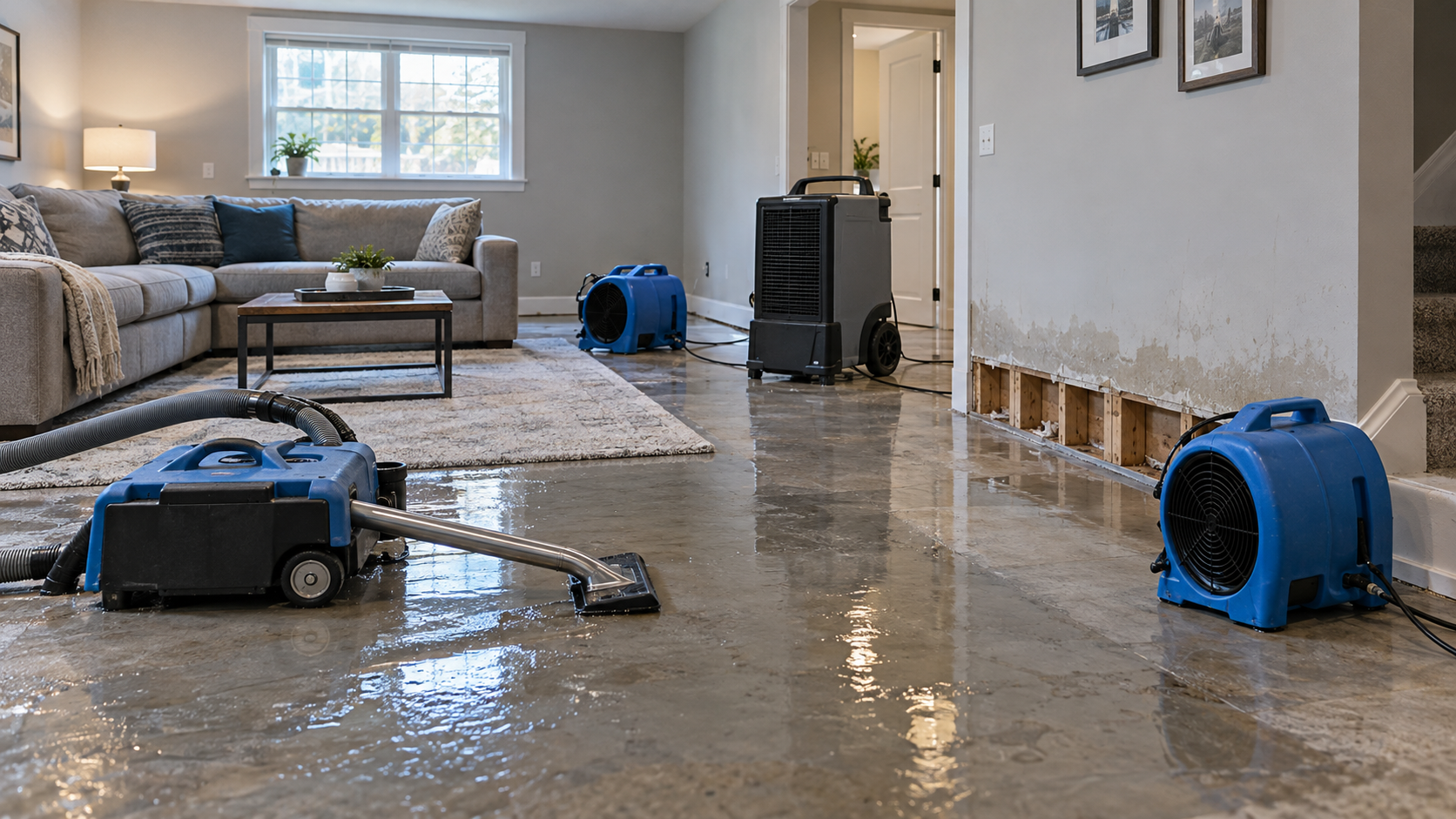
- Begin removing standing water if present from firefighting efforts
- Increase ventilation carefully, when safe to do so
- Arrange for professional evaluation as early as possible
These actions help stabilize the environment, but full cleanup requires a more comprehensive approach.
The value of rapid professional response
Fire damage requires coordinated restoration, not just cleaning. Service Pros Cleaning & Restoration provides a structured approach that addresses fire, smoke, and water damage together. This ensures that each aspect of the damage is handled properly, reducing the risk of ongoing issues.
Their process includes:
- Detailed assessment of affected areas
- Advanced techniques for removing soot and residue
- Equipment designed for effective smoke damage restoration
- Drying systems to address moisture introduced during firefighting
- Careful removal and restoration of salvageable materials
This level of response is what allows homeowners to move forward with confidence, knowing the damage is being addressed completely.
How Maryland conditions influence fire damage recovery
Homes in Maryland face specific challenges during fire recovery due to regional conditions. Humidity can cause soot to adhere more strongly to surfaces, while moisture from firefighting efforts may take longer to fully dissipate. These factors can accelerate deterioration if cleanup is delayed. This makes timely fire damage cleanup even more important, as environmental conditions can intensify the effects of the damage.
The cost of waiting longer than necessary
Delaying cleanup allows damage to settle deeper into the structure.
Over time:
- Soot becomes more difficult to remove
- Smoke odors embed more permanently
- Moisture increases the risk of additional structural issues
Early intervention often keeps the process more manageable, reducing the need for extensive repairs or material replacement.
Moving forward with clarity after a house fire
The aftermath of a fire can feel uncertain, but having a clear understanding of what to do next brings structure to the situation. Focusing on safety first, then taking immediate steps toward cleanup, helps restore both the home and a sense of control. Acting early limits long-term damage and supports a more efficient recovery.
Contact Service Pros Cleaning & Restoration today to begin the cleanup process and restore your home with the care and urgency it deserves.