Water Remediation Services Explained: From Damage to Full Restoration
Water remediation services help stop water damage from spreading, remove excess water, dry affected materials, and restore your property after leaks, flooding, burst pipes, or storm-related damage. The process usually includes inspection, extraction, water mitigation, structural drying, dehumidification, cleaning, and final restoration.
The faster water remediation begins, the better chance you have of reducing damage to drywall, flooring, insulation, framing, and personal belongings. Professional equipment is often needed because water can hide behind walls, under floors, and inside building materials long after the surface looks dry.
For help with active water damage, visit our Water Damage Restoration Services or learn more about emergency support through our Flood Damage Restoration Services.
Need water remediation services now? Call Service Pro or request a fast water damage inspection today.
What Are Water Remediation Services?
Water remediation services are designed to control, remove, dry, clean, and restore areas affected by unwanted water. This may include damage from plumbing leaks, appliance failures, roof leaks, flooded basements, stormwater intrusion, or sewage backups.
A professional water remediation team focuses on more than visible water. The goal is to find moisture, stop further damage, protect structural materials, and prepare the property for full restoration.
Water remediation may include:
- Water damage inspection
- Moisture detection
- Emergency water extraction
- Water mitigation
- Removal of damaged materials
- Structural drying
- Dehumidification
- Cleaning and sanitizing
- Odor control
- Mold prevention steps
- Repair and restoration planning
Water damage should never be treated as only a surface problem. If moisture remains trapped, it can lead to mold growth, damaged drywall, weakened flooring, and long-term structural concerns.
If you see standing water, wet drywall, or moisture stains, contact Service Pro for
professional water remediation services.
Step 1: Inspection and Moisture Detection
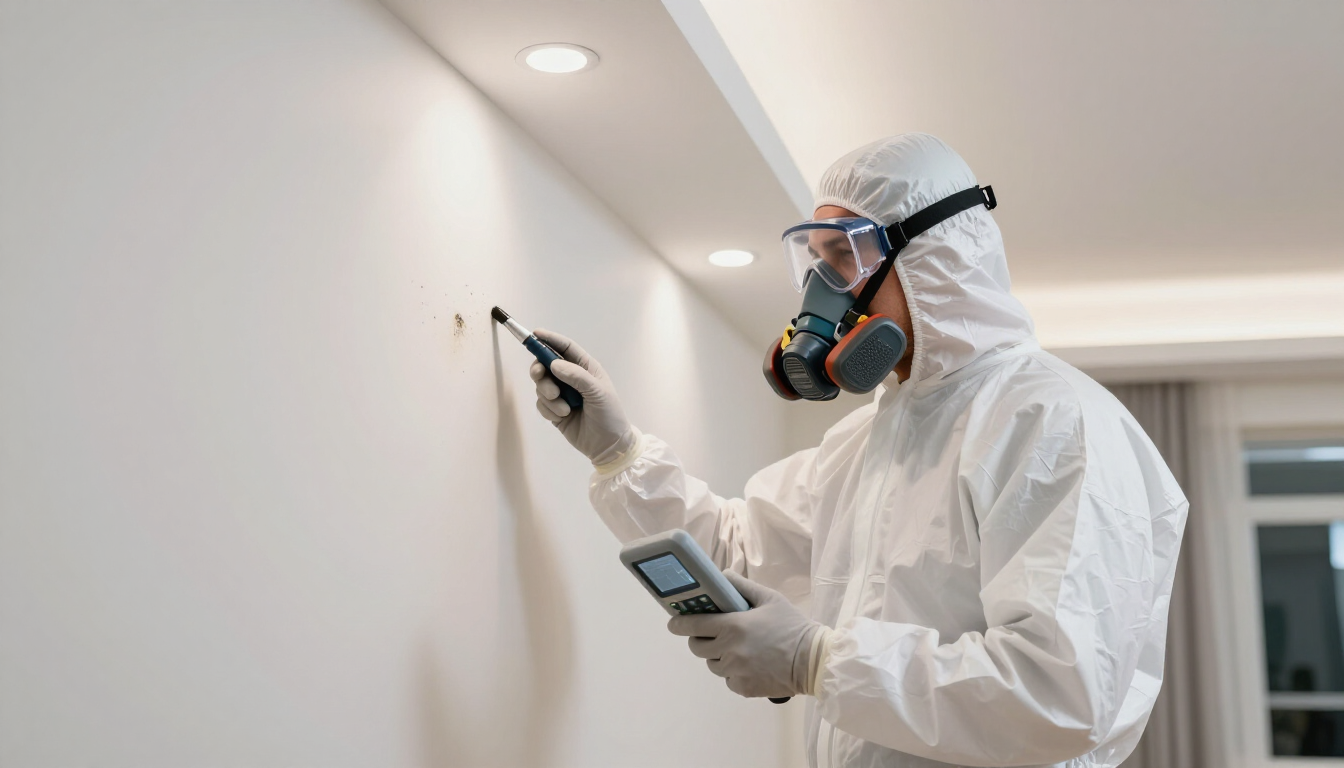
The restoration process begins with a detailed inspection. Before extraction or drying starts, technicians need to understand where the water came from, how far it spread, and what materials are affected.
What Technicians Look For
During the inspection, the team may check:
- Water source and category
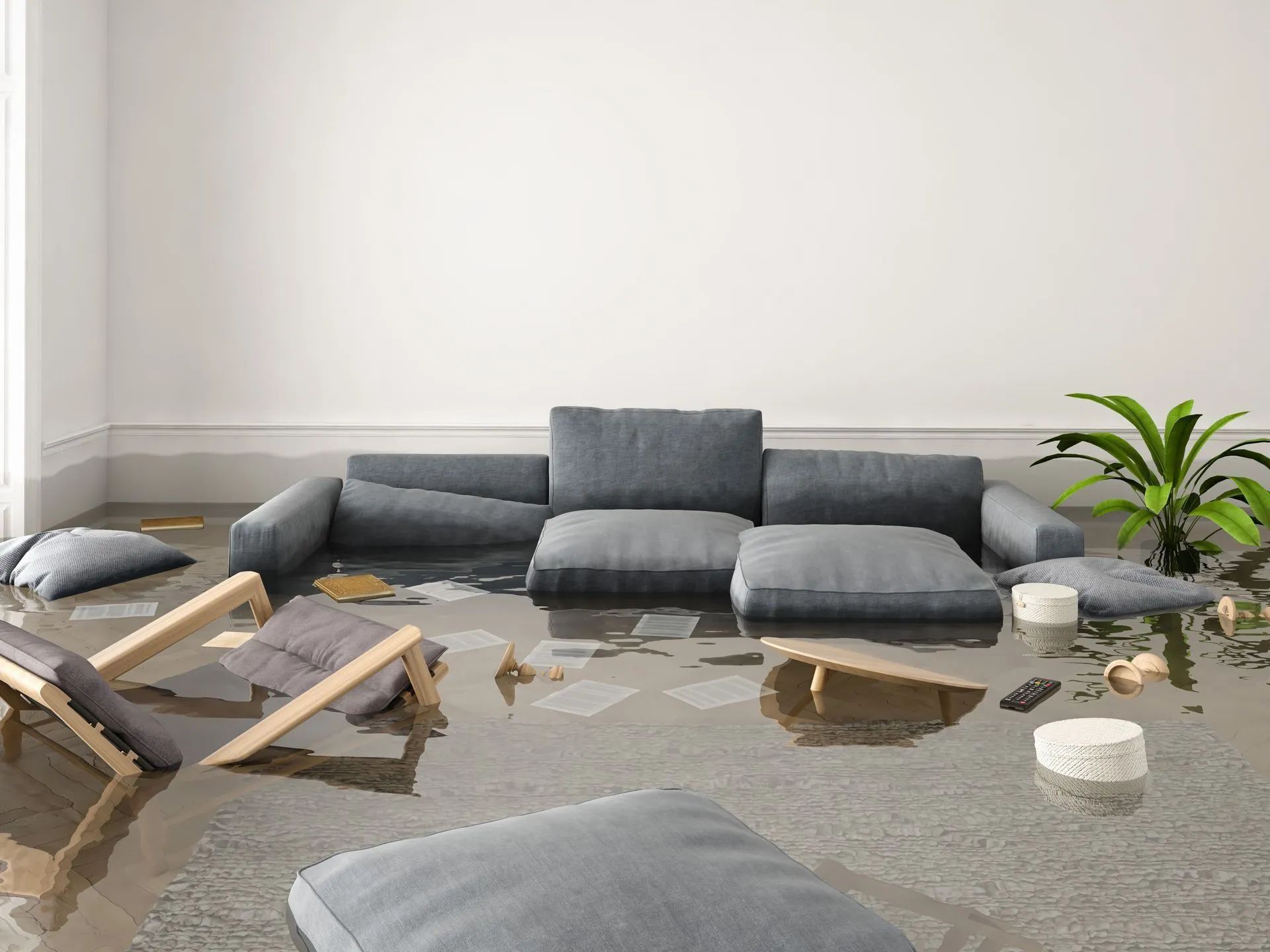
- Standing water
- Wet drywall
- Damp flooring
- Moisture behind walls
- Water under cabinets
- Ceiling stains
- Baseboard damage
- Insulation moisture
- Structural materials
- Signs of mold or musty odor
Moisture detection tools help identify hidden water that may not be visible. This step is important because a room can look dry while moisture remains inside walls, floors, or subflooring.
Why This Step Matters
Without proper inspection, water damage can be underestimated. Hidden moisture may continue spreading, which can increase the risk of mold, odors, and repair costs.
Learn more about professional Water Damage Restoration Services for moisture detection and damage assessment.
Step 2: Extraction and Water Mitigation
After the inspection, the next priority is removing standing water and slowing the damage. This is where extraction and water mitigation begin.
What Water Extraction Includes
Water extraction may involve:
- Removing standing water
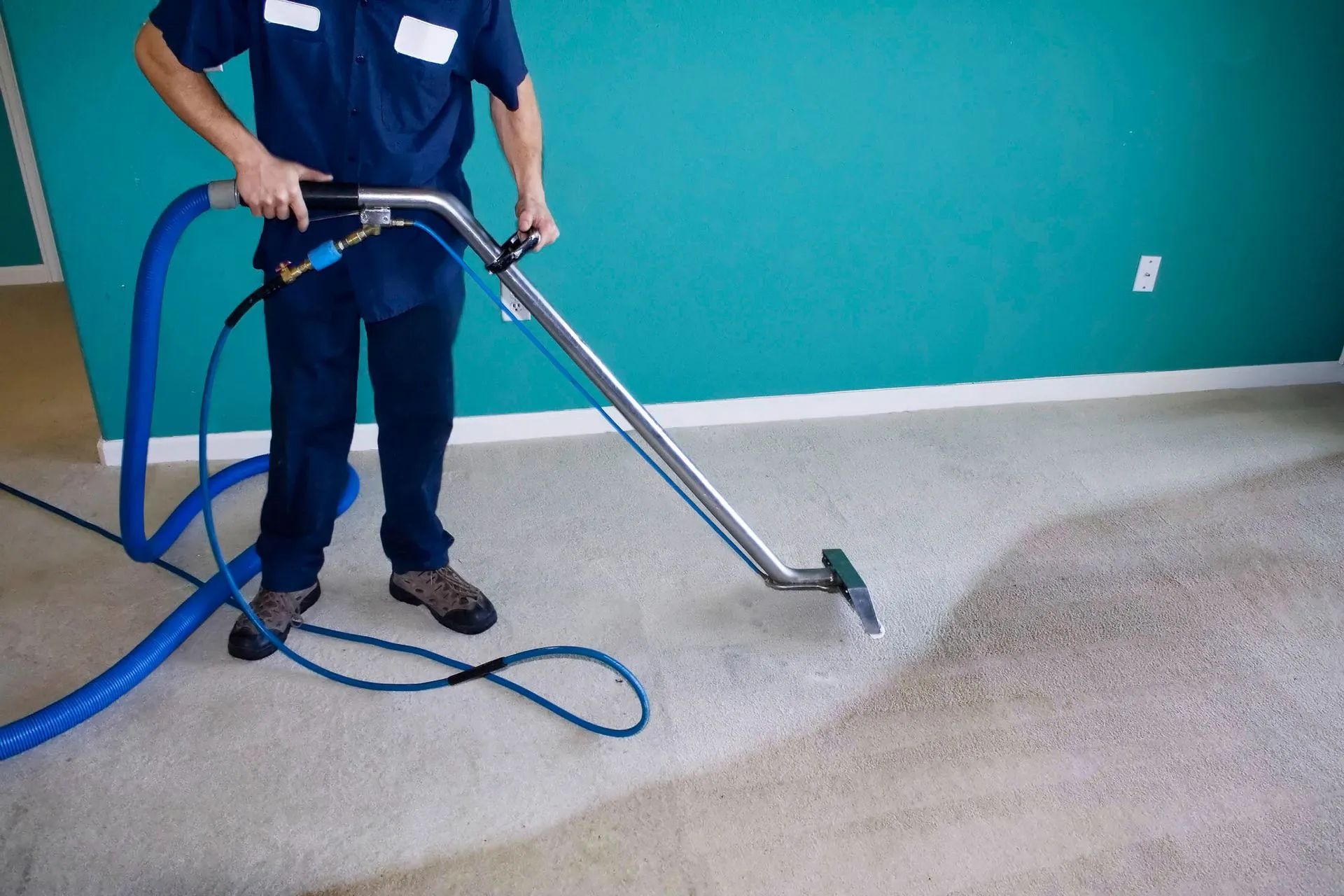
- Extracting water from carpet
- Pumping water from flooded areas
- Removing water from hard surfaces
- Reducing moisture load before drying
- Preparing the area for dehumidification
Professional extraction equipment removes water faster and more effectively than household tools. This is especially important in basements, carpeted rooms, commercial spaces, and areas with soaked flooring.
What Water Mitigation Means
Water mitigation is the process of reducing further damage after water enters a property. It may include stopping the source, removing damaged materials, protecting unaffected areas, and setting up drying equipment.
Water mitigation can help reduce:
- Mold risk
- Structural damage
- Flooring damage
- Drywall deterioration
- Odors
- Secondary moisture spread
- Long-term repair costs
If your home has standing water or flooding, visit our Flood Damage Restoration Services page for emergency cleanup support.
Standing water should be removed quickly. Call Service Pro for extraction and water mitigation before the damage spreads.
Step 3: Structural Drying and Dehumidification
Once visible water is removed, drying begins. This is one of the most important parts of the restoration process because moisture can remain inside building materials even after extraction.
How Structural Drying Works
Structural drying focuses on drying the materials that make up the property, including:
- Drywall
- Wood framing
- Subfloors
- Concrete
- Cabinets
- Trim
- Insulation areas
- Ceiling materials
- Flooring systems
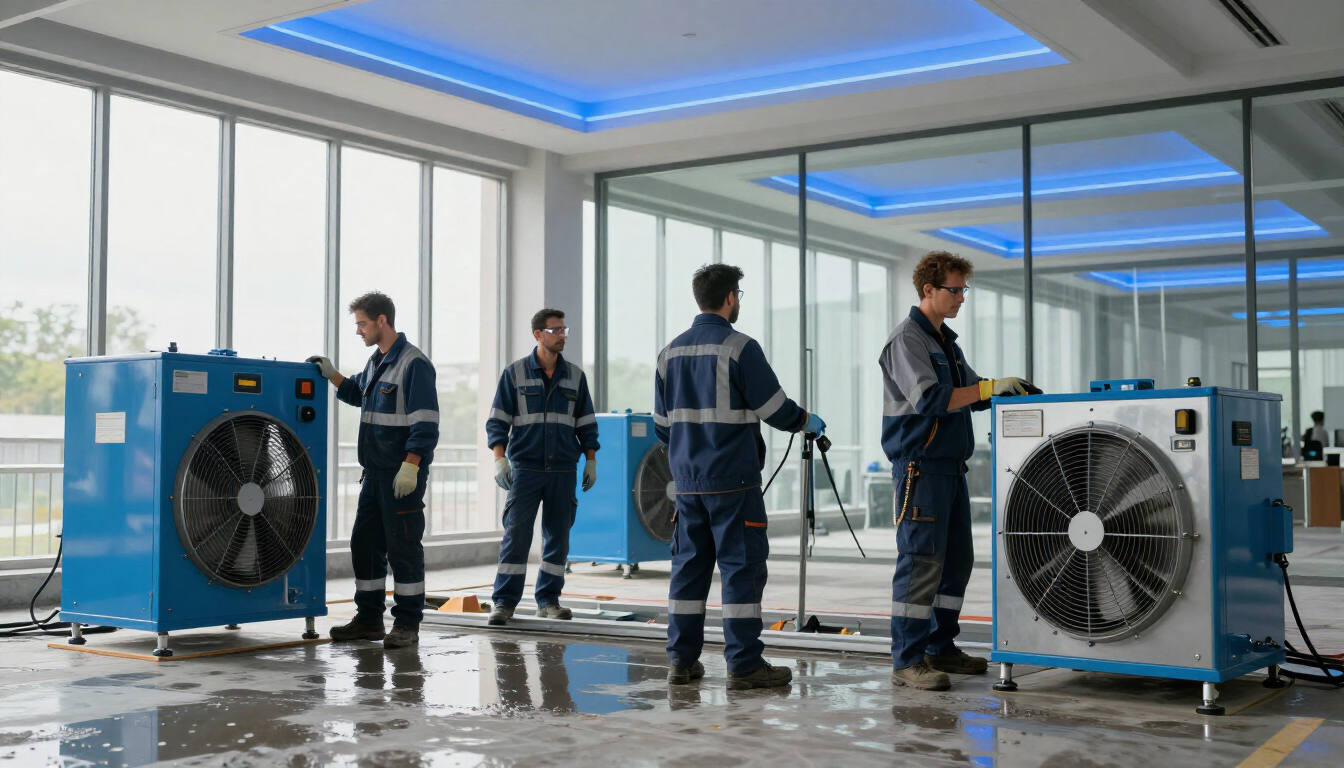
Air movers are used to increase airflow across affected surfaces. Moisture readings help technicians monitor progress and confirm when materials are drying properly.
Why Dehumidification Is Important
Dehumidification removes excess moisture from the air. Without it, humidity can keep materials damp and slow down the drying process.
Professional dehumidification helps:
- Lower indoor humidity
- Support faster drying
- Reduce condensation
- Limit musty odors
- Support mold prevention
- Protect structural materials
Drying should be monitored carefully. Using fans alone may not be enough if moisture is trapped below flooring or behind walls.
Step 4: Cleaning, Sanitizing, and Restoration Process
After extraction and drying, the affected areas may need cleaning, sanitizing, deodorizing, and repair. The level of cleaning depends on the source of the water and the materials affected.
Cleaning and Sanitizing
Cleaning may include:
- Wiping affected surfaces
- Removing residue
- Sanitizing hard surfaces
- Treating odors
- Cleaning salvageable materials
- Removing contaminated items when needed
If the water came from a clean plumbing source, the cleanup may be different than damage caused by stormwater, sewage, or contaminated flooding.
Repair and Full Restoration
The final restoration process may include repairing or replacing damaged materials so the property can return to normal.
Restoration may include:
- Drywall repair
- Flooring replacement
- Baseboard replacement
- Painting
- Cabinet repair
- Ceiling repair
- Trim installation
- Reconstruction coordination
The goal is not only to dry the property, but to bring the affected areas back to a safe, clean, and functional condition.
Internal link: If water damage has caused mold concerns, visit our Mold Remediation Services page for professional mold cleanup support.
From extraction to full restoration, Service Pro can help guide your property through the complete water remediation process.
When Should You Call for Water Remediation Services?
You should call for water remediation services as soon as you notice water damage, even if the affected area looks small. Water can travel quickly and cause hidden damage behind surfaces.
Call a professional if you notice:
- Standing water
- Flooded basement
- Wet drywall
- Ceiling leaks
- Warped flooring
- Musty odors
- Water stains
- Damp carpet
- Moisture after a storm
- Burst pipe damage
- Appliance overflow
- Mold growth after water damage
Fast action can help reduce the amount of damage and make the restoration process more manageable.
Do not wait for
water damage to spread.
Request water remediation services from Service Pro today.
FAQs About Water Remediation Services
What is the difference between water mitigation and water remediation?
Water mitigation focuses on stopping the damage from spreading, removing water, and drying affected areas. Water remediation is the broader process that may include mitigation, cleaning, sanitizing, structural drying, dehumidification, and restoration planning.
How long does the structural drying process take?
Structural drying often takes several days, depending on the amount of water, the materials affected, humidity levels, airflow, and how quickly extraction begins. Moisture readings help confirm when the area is properly dry.
Is dehumidification necessary after water extraction?
Yes, dehumidification is often necessary because water extraction removes visible water, but moisture can remain in the air and inside building materials. Dehumidifiers help lower humidity and support proper drying.