Residential Water Damage Repair: Signs You Should Never Ignore
Residential water damage repair should happen as soon as you notice warning signs like wet drywall, ceiling leaks, musty odors, warped floors, peeling paint, or stains that keep growing. Even small moisture problems can spread behind walls, under flooring, and into insulation if they are not inspected quickly.
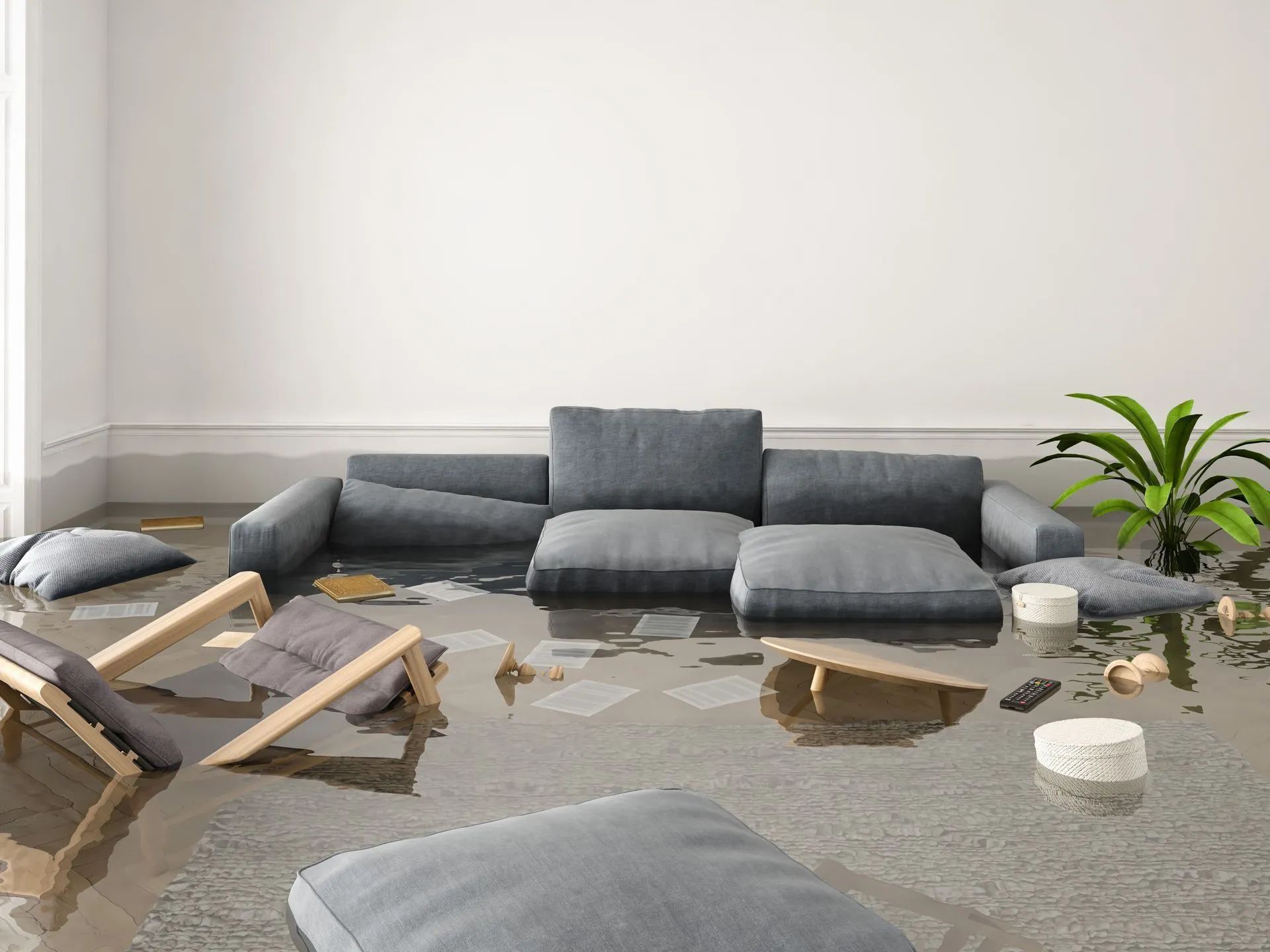
The biggest risk is hidden moisture. A wall or ceiling may look only slightly stained on the surface, but moisture can continue spreading inside the structure. Professional water damage restoration helps identify the source, remove damaged materials when needed, dry the affected areas, and support mold prevention before the problem gets worse.
For help with active leaks, hidden moisture, or storm-related water damage, visit our [Water Damage Restoration Services or learn more about Mold Remediation Services if you already notice musty odors or visible mold.
Need residential water damage repair? Call Service Pro or request a water damage inspection today.
Wet Drywall That Feels Soft, Swollen, or Stained
Wet drywall is one of the clearest signs that water has entered your home’s interior surfaces. Sometimes the damage appears as a brown stain. Other times, the drywall feels soft, swollen, or slightly spongy when touched.
What It Looks Like
- Brown, yellow, or gray wall stains
- Soft or crumbling drywall
- Bubbling paint
- Peeling wallpaper
- Swollen baseboards
- Damp spots that return after drying
- Musty odor near the wall
Why You Should Not Ignore It
Drywall can absorb moisture quickly. Once water gets inside, it may affect insulation, studs, trim, and nearby flooring. If the material stays wet too long, mold prevention becomes harder and repairs may become more extensive.
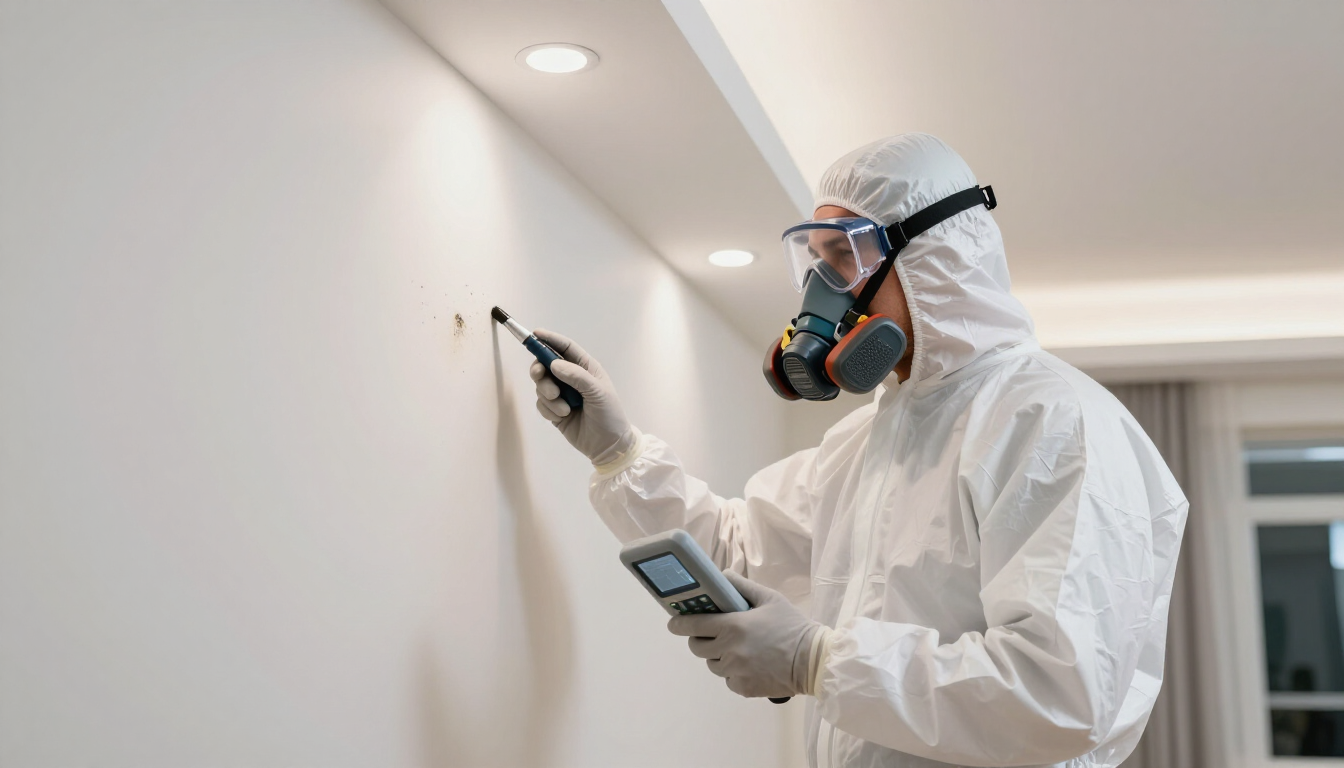
A professional restoration team can use moisture detection tools to check whether the wall is still wet behind the surface.
Ceiling Leaks, Water Rings, or Sagging Areas
Ceiling leaks can come from roof damage, plumbing leaks, bathroom overflow, HVAC condensation, or water moving from an upper floor. A small ceiling stain may look harmless, but it can be a sign that water is collecting above the drywall.
What It Looks Like
- Circular brown water rings
- Dripping water from the ceiling
- Peeling paint overhead
- Sagging drywall
- Cracks around the wet area
- Damp insulation above the ceiling
- Stains that grow after rain or plumbing use
Why You Should Not Ignore It
A ceiling leak can become dangerous if the drywall becomes saturated. Sagging areas may eventually collapse, especially if insulation above the ceiling is holding water.
Water damage restoration should begin with finding the source of the leak, removing standing moisture, drying affected materials, and checking for mold risk.
If your ceiling is leaking or sagging, call Service Pro before the damage spreads into walls, flooring, or electrical areas.
Musty Odors or Mold Warning Signs
A musty smell is often one of the first signs of hidden moisture. You may not see visible mold right away, but the odor can point to damp drywall, wet insulation, moisture behind cabinets, or water trapped under flooring.
What It Looks or Smells Like
- Persistent musty odor
- Black, green, or gray spots
- Mold around baseboards
- Discoloration near ceilings or walls
- Damp smell after rain
- Odor near cabinets, closets, or basement areas
- Allergy-like symptoms indoors
Why You Should Not Ignore It
Mold prevention is easier when moisture is handled early. If moisture remains trapped, mold can spread into porous materials and become harder to remove.
If you notice musty odors after water damage, a restoration company should inspect the area, identify the moisture source, and determine whether mold remediation is needed.
If you notice mold growth or musty odors, visit our Mold Remediation Services page for next steps.
Warped Floors, Buckling, or Moisture Under Flooring
Water does not always stay where the leak started. It can travel under hardwood, laminate, vinyl, carpet, and tile. Flooring damage may appear hours or days after the original water problem.
What It Looks Like
- Buckled hardwood
- Warped laminate
- Loose vinyl planks
- Wet carpet or padding
- Soft spots underfoot
- Tile movement or cracked grout
- Damp smell near floor edges
- Baseboards pulling away from the wall
Why You Should Not Ignore It
Moisture under flooring can be difficult to dry without professional equipment. Even if the top layer feels dry, water may still be trapped underneath. This can lead to mold, odor, subfloor damage, and long-term structural concerns.
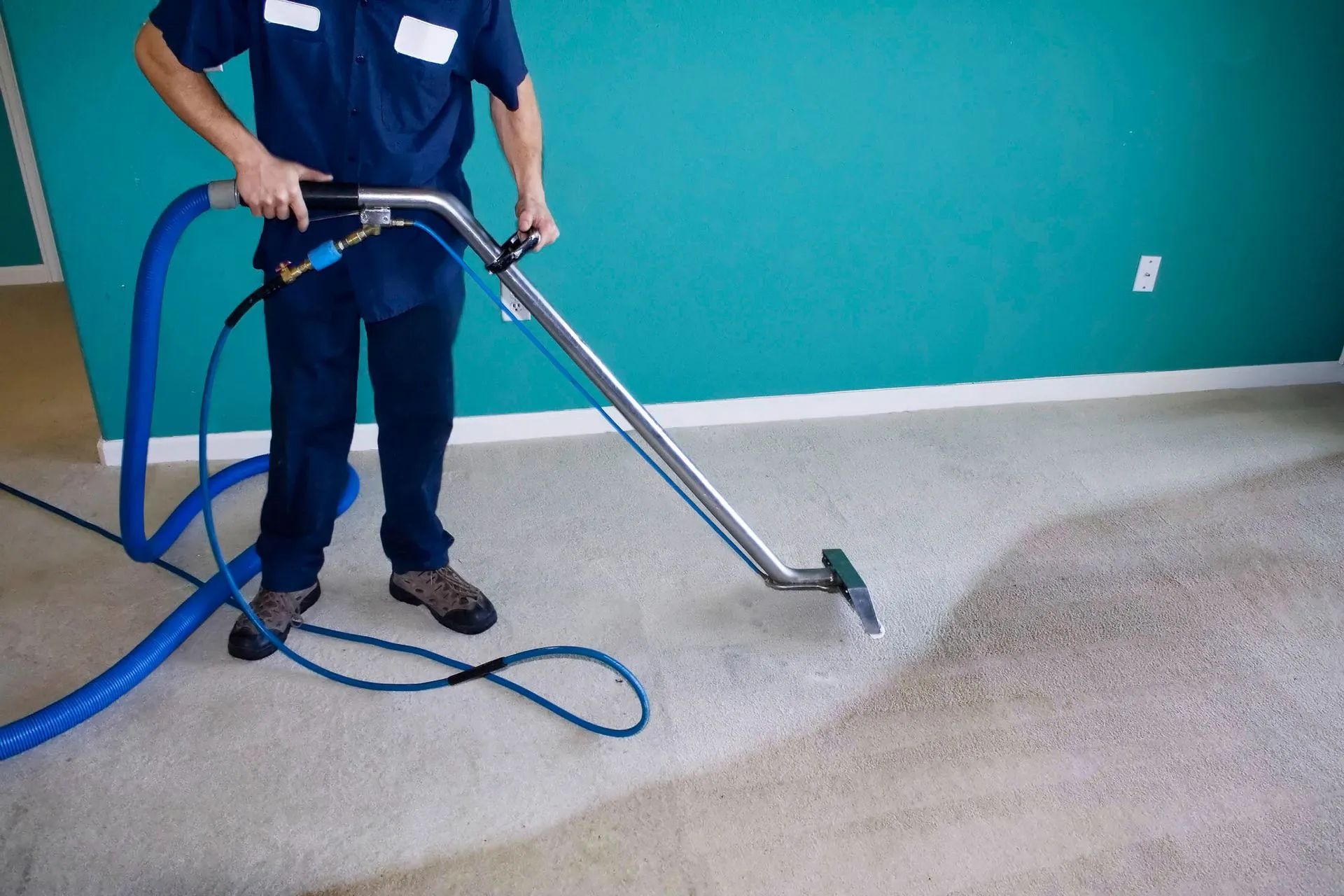
Moisture detection helps determine how far the water traveled and whether drying equipment, extraction, or material removal is needed.
Service Pro provides
Water Damage Restoration Services to help dry flooring, subfloors, walls, and affected structural materials.
Peeling Paint, Bubbling Surfaces, or Repeated Stains
Paint and wall finishes often react when moisture is trapped behind them. If paint bubbles, peels, or stains return after cleaning, there may be an active water source behind the wall or ceiling.
What It Looks Like
- Paint bubbling outward
- Peeling paint near windows or ceilings
- Repeated stains after repainting
- Blistered wall texture
- Cracked caulk around trim
- Discoloration near plumbing walls
- Damp patches after storms
Why You Should Not Ignore It
Cosmetic fixes do not solve water damage. Painting over a stain or replacing trim without drying the source can trap moisture and allow damage to continue behind the surface.
Professional residential water damage repair focuses on the cause, not just the visible symptom. The goal is to stop the source, dry the structure, and prevent repeated damage.
Seeing stains that keep coming back?
Request a Service Pro water damage inspection before covering the area with paint or repairs.
FAQs About Residential Water Damage Repair
How do I know if water damage is serious?
Water damage may be serious if you notice wet drywall, ceiling leaks, sagging areas, musty odors, warped flooring, mold spots, or stains that keep growing. These signs may indicate hidden moisture behind surfaces.
Can wet drywall dry on its own?
Small surface moisture may dry, but wet drywall often holds moisture inside the material or behind the wall. Professional moisture detection can confirm whether the area is truly dry or if water damage restoration is needed.
How does water damage lead to mold?
Mold can grow when moisture remains in drywall, insulation, flooring, or wood materials. Fast drying, moisture control, and professional cleanup are important parts of mold prevention after water damage.