Flooded Basement Cleanup After a July Storm
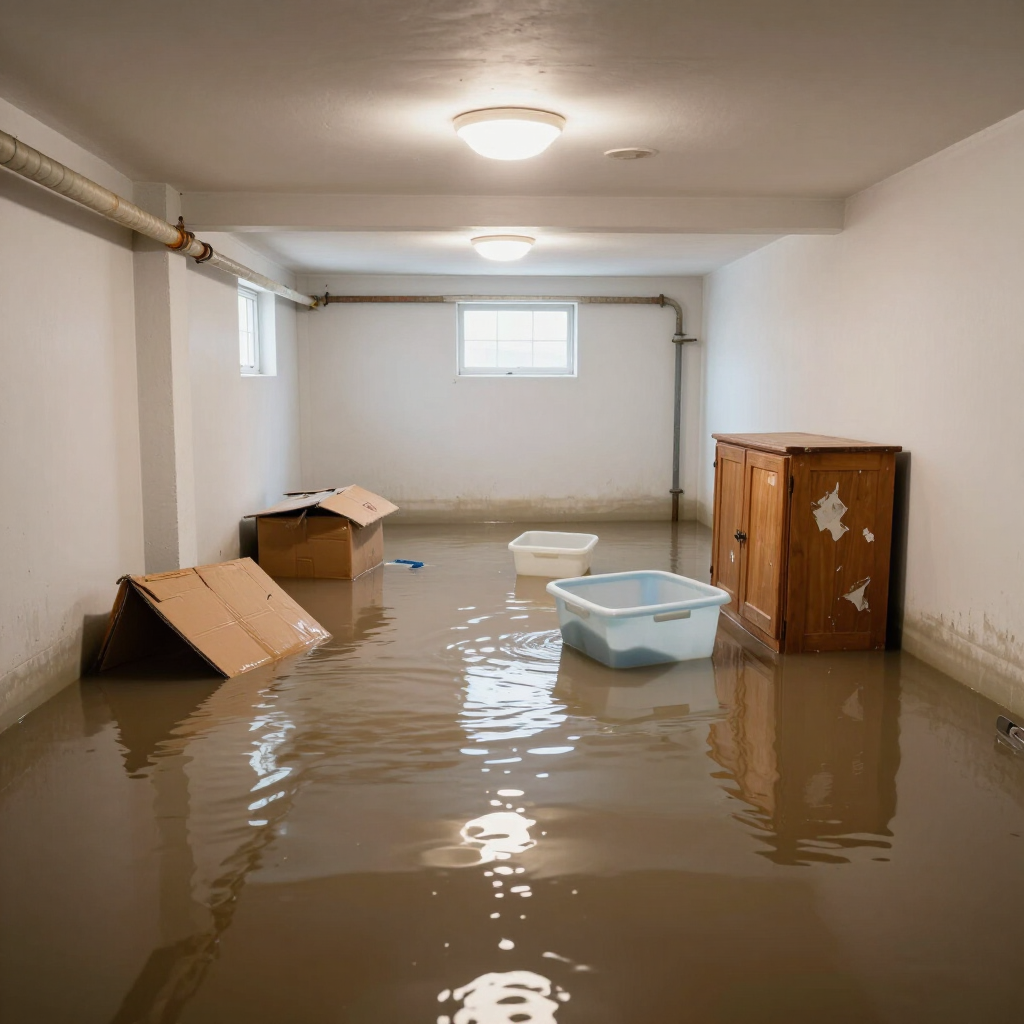
A July storm can leave a basement wet within minutes, especially when heavy rain overwhelms drainage, sump pumps, window wells, or foundation weak points. Basement flood cleanup should begin quickly because water can move under flooring, behind baseboards, into drywall, and through stored belongings before the full damage is visible.
ServicePros Cleaning & Restoration helps homeowners in Maryland, Washington D.C., and Virginia respond after summer storms with inspection, cleanup, drying, and restoration planning.
If your basement flooded after a storm, contact ServicePros for fast help, or learn more about the our Water Damage Restoration Service Page.
Why July Storms Can Overwhelm a Basement
Summer storms in the Mid Atlantic can bring fast rainfall, high humidity, and runoff that pushes water toward lower levels. A basement may flood because of poor grading, clogged gutters, short downspouts, sump pump failure, backed-up drains, foundation seepage, or water entering through window wells.
The difficult part is that basement water damage is not always limited to the area where water first appears. Moisture can spread behind finished walls, under carpet padding, into insulation, or around storage areas. Even when the standing water looks shallow, the materials around it may already be absorbing moisture.
Homeowners often ask why the basement floods after one storm when it stayed dry during others. The answer is usually a combination of rain volume, soil saturation, drainage performance, and weak entry points around the foundation. When several of these factors happen at once, water can enter quickly and create damage before there is time to react.
Safety Steps Before You Start Cleaning
Before moving items or stepping into the basement, check for safety risks. Do not enter standing water if electricity may be involved, if outlets or appliances are wet, or if the ceiling, flooring, or walls look unstable. Keep children, pets, and other household members away from the affected area.
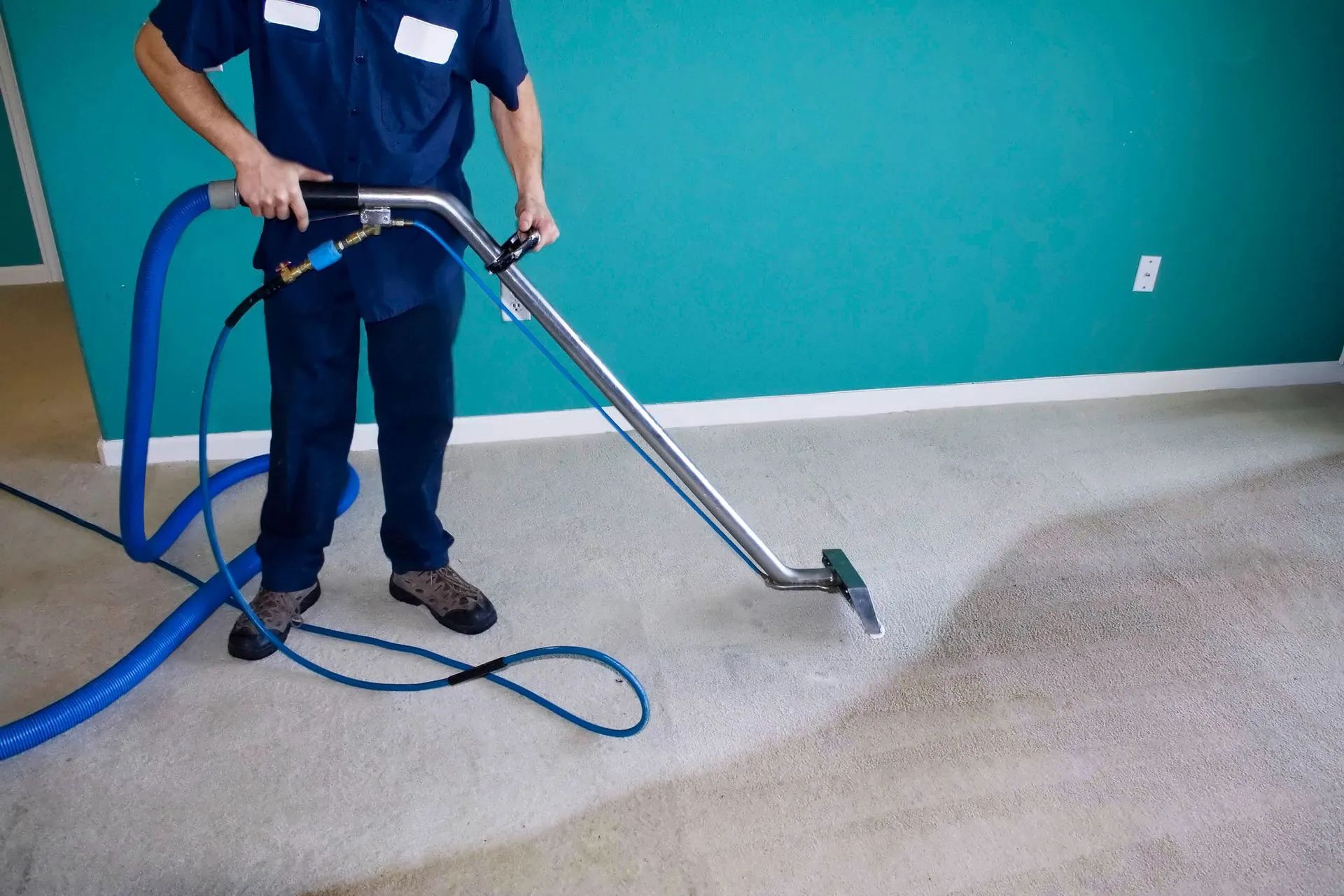
If it is safe, stop the source or reduce more water from entering. That may mean checking the sump pump, clearing nearby exterior drainage, or avoiding the space until help arrives. Do not use a household vacuum for flood cleanup because it is not designed for standing water and may create electrical hazards.
One of the first questions homeowners ask is what they should do immediately after finding water in the basement. The safest first step is to stay out of standing water if electrical hazards may be present, protect people and pets from the affected area, and call for professional help if water is spreading or soaking building materials.
Why Fast Water Removal Matters
Once the area is safe, emergency water extraction should begin as soon as possible. The longer water sits, the more it can soak into drywall, trim, subflooring, carpet padding, and stored belongings. In humid July weather, damp materials can also hold odors and moisture longer than expected.
ServicePros evaluates how much water is present, where it traveled, and which materials may need removal or drying. This is where water mitigation becomes important. The goal is to limit the spread, protect what can be saved, and prevent a basement problem from becoming a larger property issue.
Can a flooded basement dry on its own? Sometimes the surface may start to look dry, but hidden moisture can remain under flooring, behind baseboards, inside wall cavities, or in carpet padding. That is why professional extraction and moisture checks matter after storm-related basement flooding.
For urgent cleanup after standing water or stormwater entry,
explore our Flood Cleanup Services.
Drying the Basement After the Water Is Gone
A basement is not fully recovered just because the visible water is removed. Moisture can stay inside wall cavities, flooring layers, insulation, baseboards, and enclosed areas. If those materials are closed up too soon, the basement may develop musty odors, staining, warped finishes, or mold concerns later.
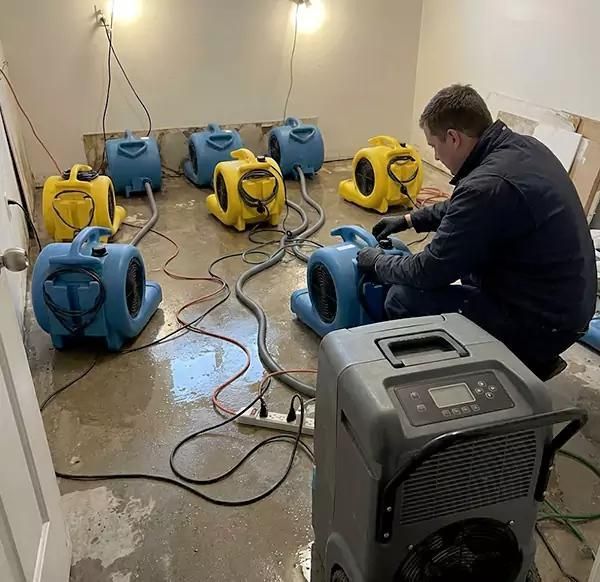
Structural drying helps address moisture that is still held inside building materials. ServicePros may use air movement, dehumidification, moisture checks, and selective material removal depending on the condition of the basement. This step helps determine what can be dried, what should be removed, and when repairs should begin.
The goal is not only to make the basement look dry. The goal is to confirm that moisture is no longer trapped in materials that could create secondary damage. This is especially important in finished basements, where drywall, flooring, insulation, and trim can hide moisture after the water is gone.
Documenting the Damage for Insurance
After a July storm, homeowners often need clear records of what happened. Take photos and videos before moving items if the area is safe. Capture the water level, wet flooring, damaged belongings, stained drywall, affected storage areas, and the possible point of entry.
ServicePros can help document affected materials, moisture readings, cleanup steps, and drying progress. This can support conversations with your insurance provider and help keep the process organized.
Should you document the damage before cleanup begins? Yes, as long as the area is safe. Photos, videos, and professional notes can help show what happened, what materials were affected, and what steps were taken to reduce further damage.
When to Call ServicePros
Call ServicePros if the basement has standing water, wet carpet, damp drywall, musty odors, stormwater entry, or water that keeps returning after heavy rain. Fast response is especially important for finished basements, older homes, storage areas, and spaces where water may have reached hidden materials.
ServicePros provides licensed and insured service, practical field evaluation, and labor warranties for added peace of mind. The team helps homeowners move from emergency cleanup to drying, documentation, and restoration planning.
Even if the basement looks manageable, professional help may be needed when water has reached porous materials or the source is not clear. A quick inspection can help determine whether the space needs extraction, structural drying, material removal, or continued monitoring before repairs begin.