Emergency Water Damage: How Fast Action Prevents Structural Loss
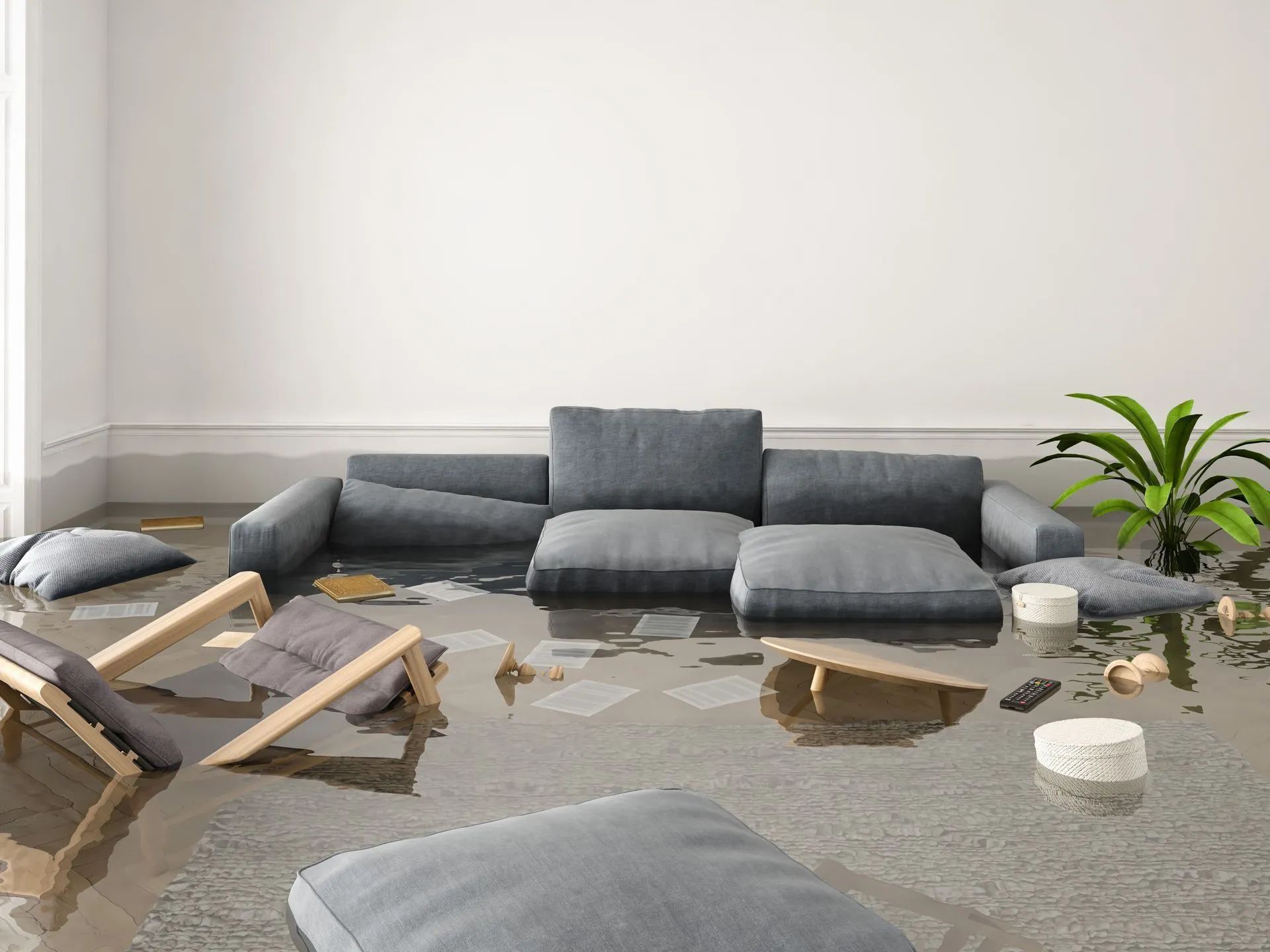
Emergency water damage can weaken drywall, flooring, insulation, wood framing, and structural materials faster than many homeowners expect. In the first few minutes, water begins spreading into porous surfaces. Within hours, drywall can soften, flooring can swell, and moisture can move into hidden areas. Within 24 to 48 hours, mold risk can increase if the affected materials stay wet.
Fast action matters. Whether the water comes from burst pipes, appliance leaks, storm intrusion, or a flooded basement, emergency cleanup and professional mitigation services can help limit damage before it becomes structural. Service Pro uses extraction tools, drying equipment, moisture detection, and a controlled drying process to help protect your home from long-term water damage.
For urgent help, visit our Water Damage Restoration Services or learn more about emergency support through our Flood Damage Restoration Services.
Need emergency water damage help now? Call Service Pro for fast cleanup, extraction, and mitigation services.
How Emergency Water Damage Spreads in the First 48 Hours
Water damage does not stay in one place. Once water enters your home, it can move through flooring, baseboards, drywall, insulation, and framing. The longer materials stay wet, the greater the chance of structural damage, mold growth, and expensive repairs.
| Timeline | What Can Happen | Why Fast Action Matters |
|---|---|---|
| First 15 minutes | Water begins spreading across floors and into cracks | Quick response can limit the affected area |
| 1 hour | Carpet, padding, baseboards, and drywall may begin absorbing water | Extraction should begin as soon as possible |
| 6–12 hours | Wood flooring may swell, drywall may soften, odors may develop | Drying equipment helps reduce hidden moisture |
| 24 hours | Mold risk increases when moisture remains trapped | Mitigation services help prevent secondary damage |
| 24–48 hours | Mold growth may begin in damp materials | Professional drying and inspection become more urgent |
| 48+ hours | Structural materials may weaken, repairs may become more extensive | Delayed cleanup can increase restoration costs |
The most important goal is to stop the water source, remove standing water, and begin drying before moisture moves deeper into the structure.
Learn more about Service Pro’s Water Damage Restoration Services for emergency cleanup and moisture control.
Common Causes of Emergency Water Damage
Emergency water damage can happen suddenly, especially when plumbing, appliances, or storms affect the home. Even a small leak can become serious if it runs behind walls or under floors.
Burst Pipes
Burst pipes can release a large amount of water quickly. This can affect walls, ceilings, floors, cabinets, insulation, and lower levels of the home.
Warning signs include:
- Sudden water pooling
- Loss of water pressure
- Wet drywall
- Ceiling leaks
- Water stains near plumbing lines
- Flooding near bathrooms, kitchens, or laundry rooms
Appliance Leaks
Appliance leaks often start near dishwashers, washing machines, refrigerators, ice makers, water heaters, or HVAC systems. These leaks may go unnoticed until flooring or cabinets begin to swell.
Watch for:
- Water under appliances
- Warped flooring
- Damp cabinets
- Musty smells
- Soft baseboards
- Stains near appliance connections
Storm or Flood Intrusion
Stormwater can enter through foundation cracks, basement windows, sump pump failure, roof leaks, or poor exterior drainage. This type of damage may require emergency cleanup and flood-related mitigation services.
If burst pipes, appliance leaks, or stormwater have affected your home,
call Service Pro before moisture spreads into structural materials.
Why Emergency Cleanup Helps Prevent Structural Loss
Emergency cleanup is not just about removing visible water. It is about protecting the structure of the home before damage spreads into materials that are harder and more expensive to repair.
Professional emergency cleanup may include:
- Stopping or controlling the water source
- Removing standing water
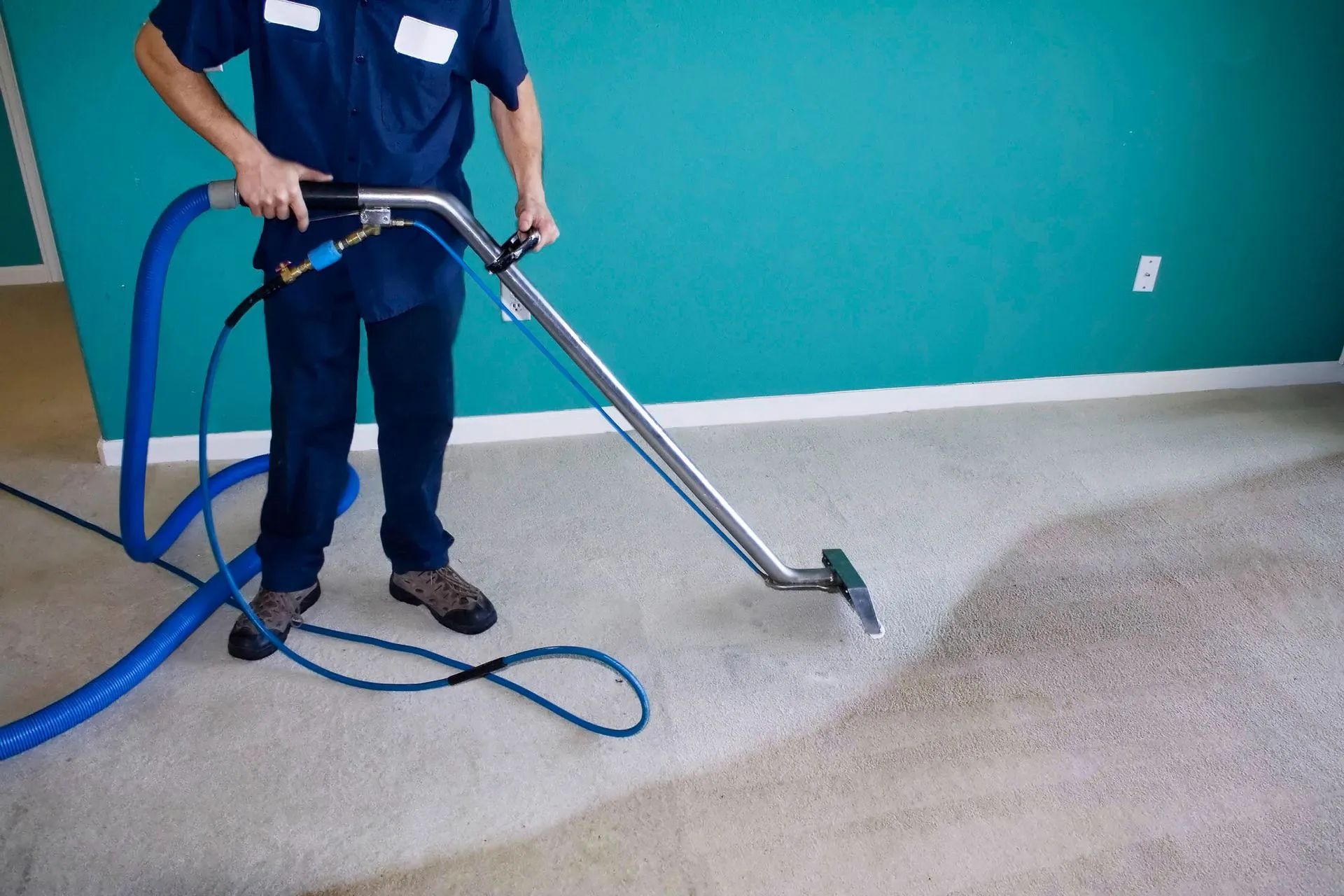
- Extracting water from flooring or carpet
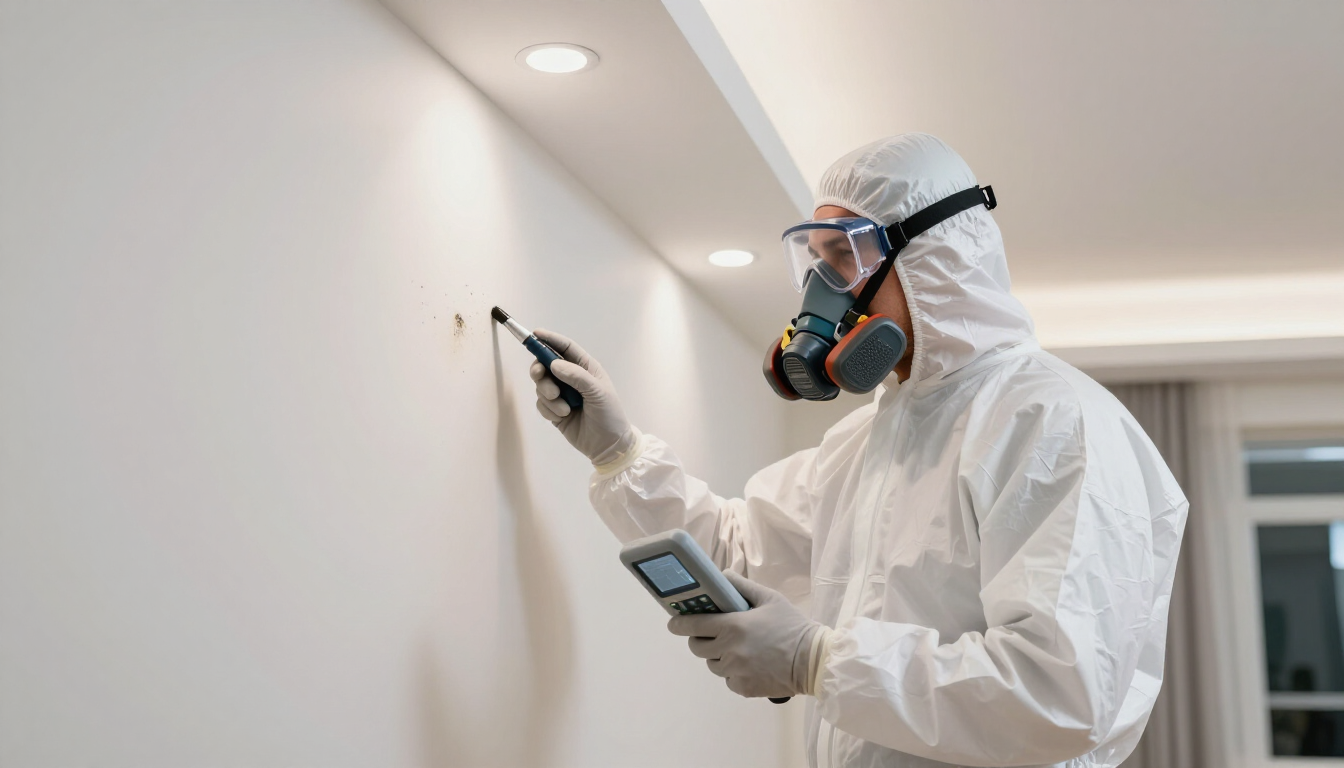
- Checking walls and floors with moisture detection tools
- Removing unsalvageable wet materials
- Placing drying equipment
- Monitoring moisture levels
- Cleaning and sanitizing affected areas
- Documenting the damage for next steps
Hidden Moisture Is the Real Risk
A floor may look dry while water remains under the surface. Drywall may feel firm while moisture sits behind the wall. Without moisture detection, homeowners may think the cleanup is complete when water is still trapped inside the structure.
Hidden moisture can affect:
- Drywall
- Subfloors
- Wood framing
- Insulation
- Cabinets
- Baseboards
- Ceiling materials
- Carpet padding
This is why mitigation services should begin quickly after emergency water damage.
If your home has standing water or flooding, visit our
Flood Damage Restoration Services page for fast extraction and storm-related cleanup.
How Mitigation Services and Drying Equipment Protect Your Home
Mitigation services are designed to reduce the amount of damage after water enters a property. The goal is to remove water, dry the structure, control humidity, and help prevent long-term problems.
Emergency Water Extraction
Extraction removes standing water and moisture from affected surfaces. This step is especially important for flooded basements, soaked carpet, appliance leaks, and water spreading across floors.
Structural Drying
Structural drying focuses on drying the materials that make up the home. This can include walls, flooring, subfloors, wood framing, and other affected areas.
Dehumidification
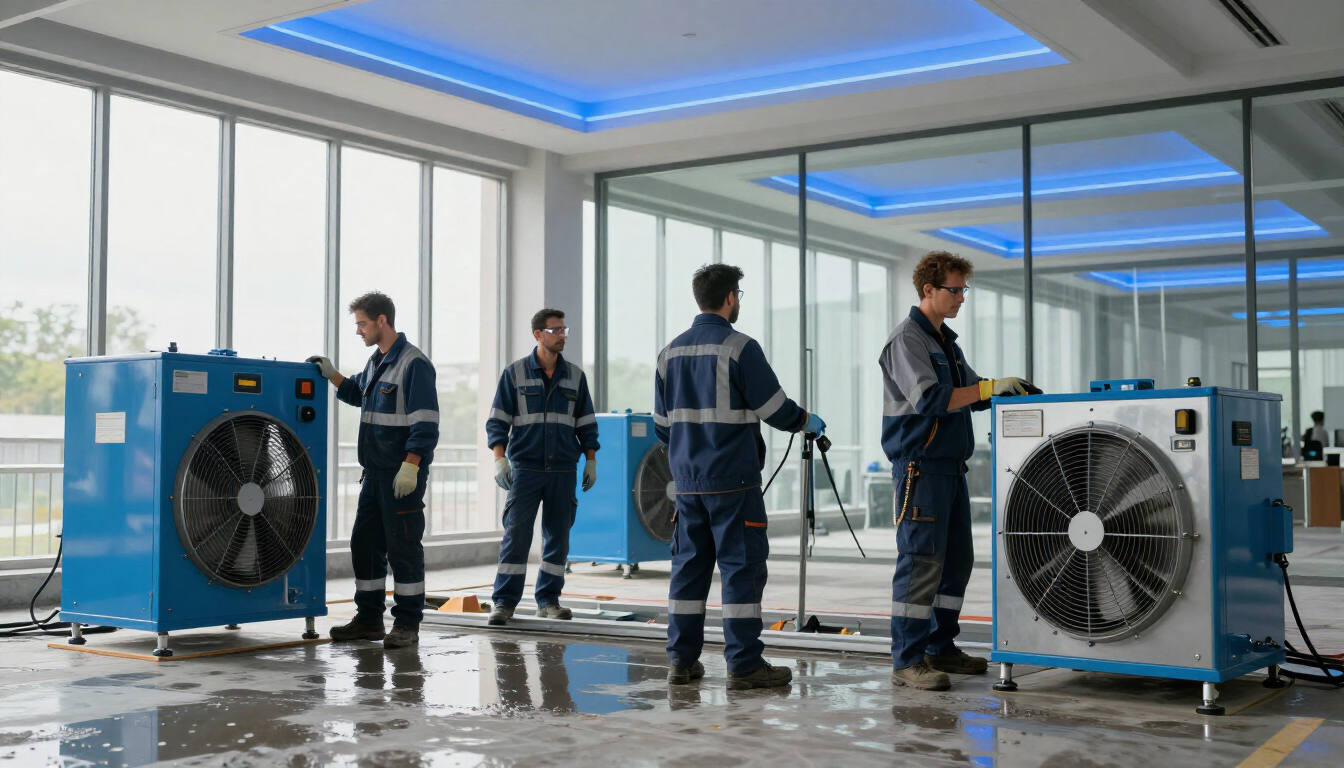
Dehumidifiers help remove moisture from the air. Without dehumidification, humidity can keep materials damp and slow down the drying process.
Air Movement
Air movers improve airflow across wet materials so moisture can evaporate more effectively. Drying equipment is placed strategically based on the affected area and moisture readings.
A professional drying setup may include:
- Extraction units
- Air movers
- Dehumidifiers
- Moisture meters
- Thermal imaging tools
- Containment when needed
- Sanitizing equipment
Need fast drying after emergency water damage? Request Service Pro mitigation services and professional drying equipment today.
What Homeowners Should Do Before Help Arrives
When emergency water damage happens, the first steps can help reduce risk and protect belongings. Only take action if the area is safe.
Follow this quick checklist:
1. Stay safe first
Do not enter standing water if electricity may be involved.
2. Stop the source if possible
Shut off the main water valve for burst pipes or appliance leaks if safe.
3. Move valuables away
Remove electronics, documents, furniture, and personal items from wet areas.
4. Take photos and videos
Document water levels, damaged materials, and the likely source.
5. Avoid DIY electrical risks
Do not touch outlets, cords, appliances, or wet electrical devices.
6. Call emergency cleanup professionals
Fast extraction and drying can reduce structural loss.
7. Do not assume surfaces are dry
Moisture may remain inside walls, floors, and insulation.
For water that may lead to mold concerns, visit our
Mold Remediation Services page for professional mold prevention and cleanup support.
Final Thoughts: Fast Action Can Save More Than the Surface
Emergency water damage can quickly move from a surface problem to a structural problem. Burst pipes, appliance leaks, flooding, and storm intrusion can affect drywall, flooring, insulation, framing, and indoor air quality if the moisture is not removed quickly.
The faster emergency cleanup begins, the better chance you have of limiting damage, reducing mold risk, and protecting the structure of your home. Professional mitigation services and drying equipment help remove visible water and hidden moisture so restoration can move forward correctly.
Do not wait for emergency water damage to get worse. Call Service Pro now or request emergency cleanup through our
Water Damage Restoration Services.
FAQs About Emergency Water Damage
How fast should emergency water damage cleanup begin?
Emergency cleanup should begin as soon as possible. Water can start soaking into drywall, flooring, baseboards, and insulation within minutes to hours. Fast extraction and drying can help reduce structural damage.
Can burst pipes cause structural damage?
Yes. Burst pipes can release enough water to damage drywall, subfloors, wood framing, cabinets, ceilings, and insulation. If the water is not removed and dried properly, structural repairs may become more extensive.
Why is drying equipment important after water damage?
Drying equipment helps remove moisture from the air and affected materials. Air movers, dehumidifiers, and moisture meters help reduce hidden moisture that can lead to mold, odors, and structural deterioration.